

Support the Community: Tadinda Anadolu
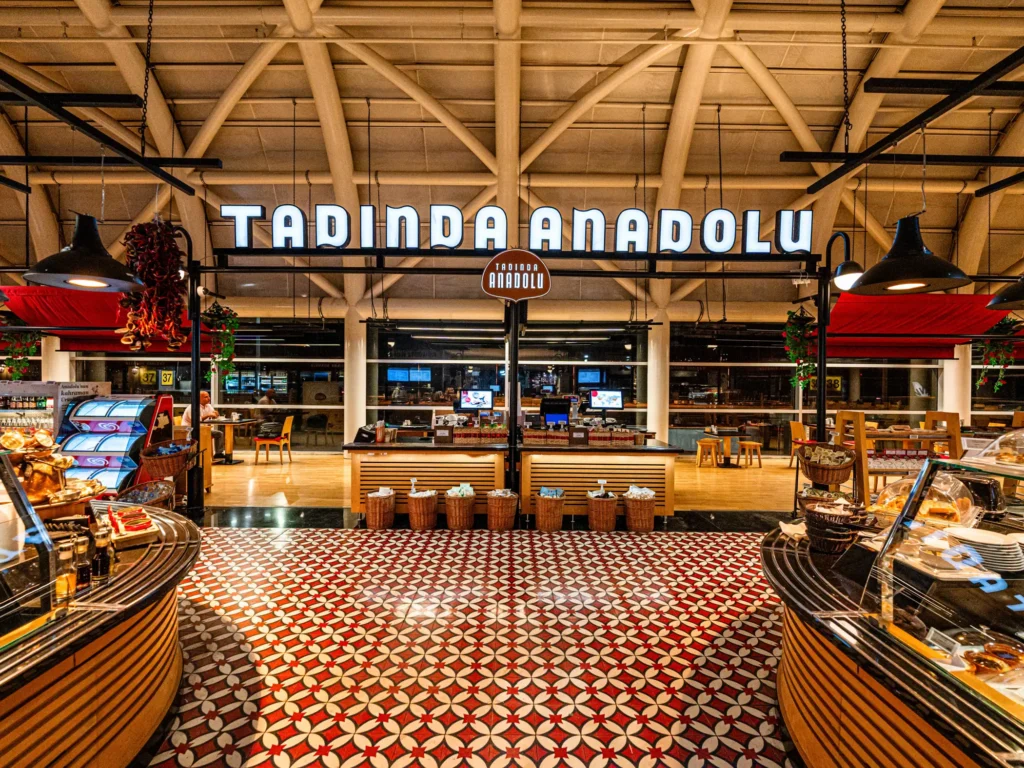
Operating in several Turkish airports, Tadinda Anadolu offers travellers a taste of authentic anatolian cuisine and holds a three-star Food Made Good certification — with an exceptionally high score in the support the community focus area of the standard. We caught up with Melda Tuna, sustainability leader in operations at Tadinda Anadolu’s parent company, BTA, to talk about how the business finds ways to connect with its community and why this is so important to the team.
Support the Community: THE PIG Hotel Group
Described as ‘Restaurants with Rooms’, The Pig is a collection of food-forward hotels in locations across the South of England. Since their first site opened in the New Forest in 2011, their ethos has been to focus on ‘local’ across every facet of operations — and this includes supporting local communities. We spoke to Kate Harvey, group sustainability manager, about why community matters at The Pig and how this filters into everything they do.
Food on the Frontlines: Stories from the Chef Corps
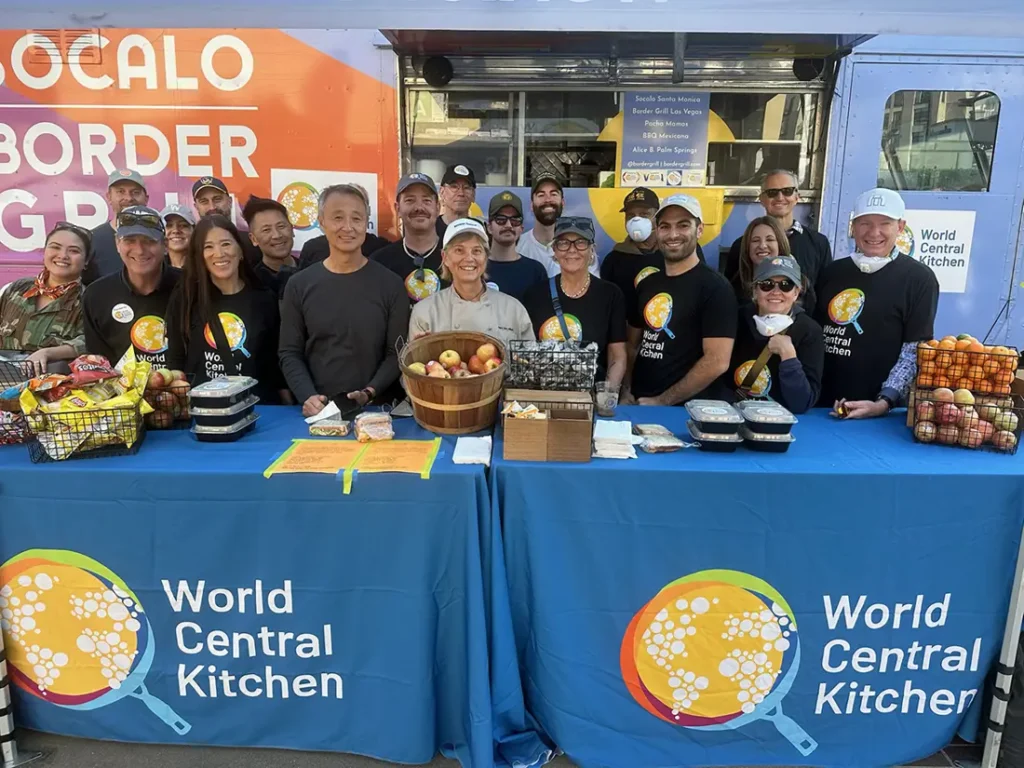
World Central Kitchen is an outstanding example of how chefs can support their communities. Join us as we meet some of the chefs working with them on relief efforts around the world, springing into action at a moment’s notice to serve nutritious comfort food to people who have never needed it more.
A New Vision for Fine Dining: Why Luxury Must Include Sustainability
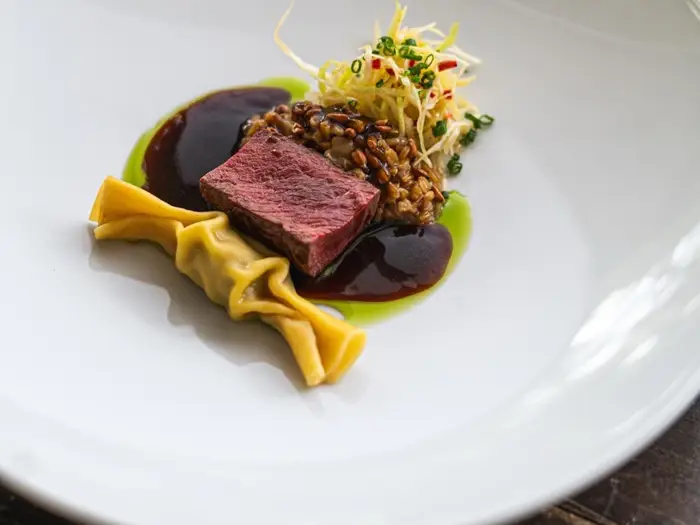
Is it time for fine dining restaurants to rethink what ‘luxury’ looks like? To get a sense of where high end dining is headed, we spoke to the next generation of inspiring chefs — the regional finalists for the social responsibility award at this year’s S.Pellegrino Young Chef’s Academy competition. We asked how fine dining can truly embrace sustainability, and they shared their thoughts…
4 emerging AI solutions spotted at the National Restaurant Association Show
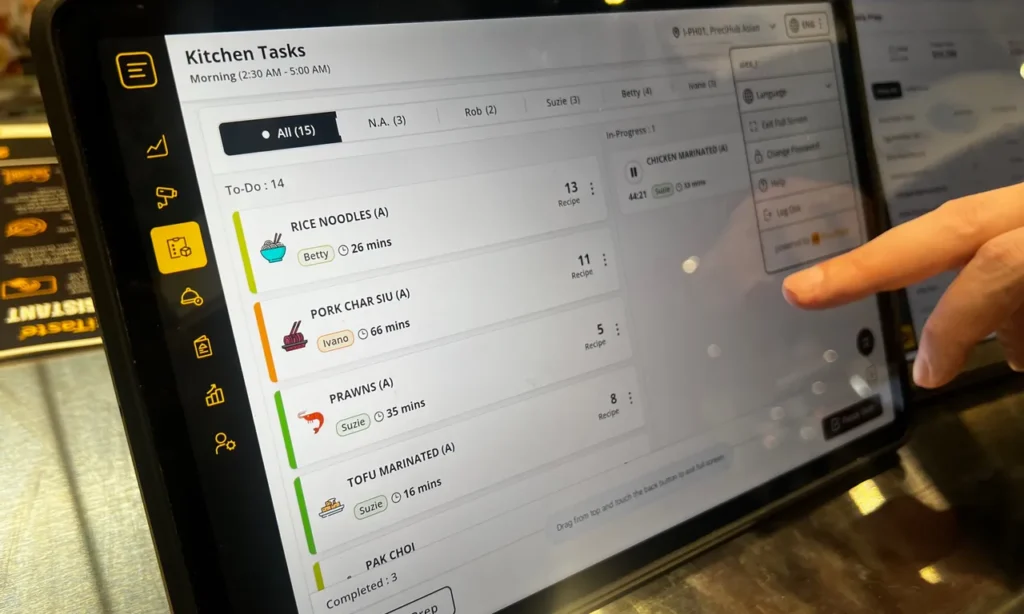
From vision AI to smart surveillance, these newer technologies are reshaping restaurant operations
Here are the restaurant brands with the most positive perceptions among adult consumers

Baskin-Robbins, Dairy Queen, Dunkin’, and Krispy Kreme top the list
Bonding over botanicals to craft Buja, South Korea’s first Gin
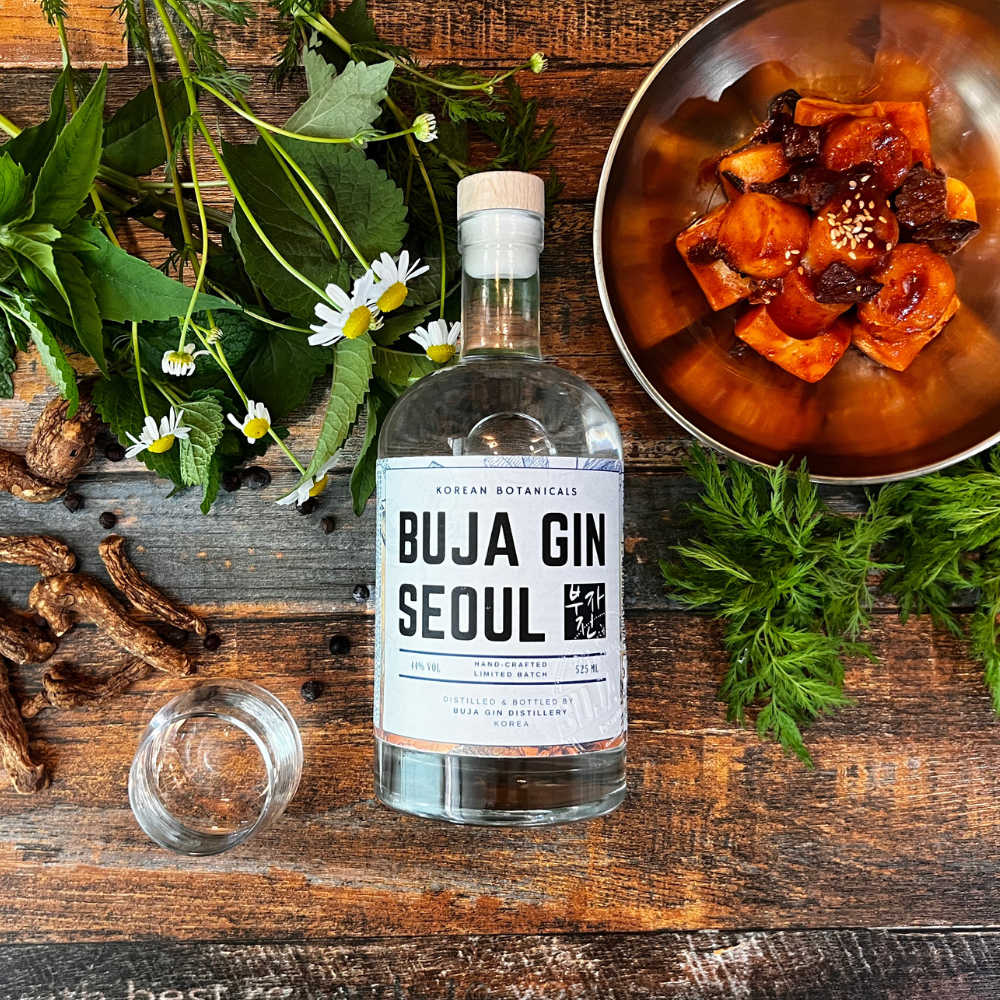
Inspired by the scarcity of Korean gin, Tom Cho left his finance career while his father retired to an organic farm; together, they bonded over botanicals and gin-making.
A Slice of Innovation: New Culture’s Animal-Free Mozzarella Is Sparking a Pizza Revolution
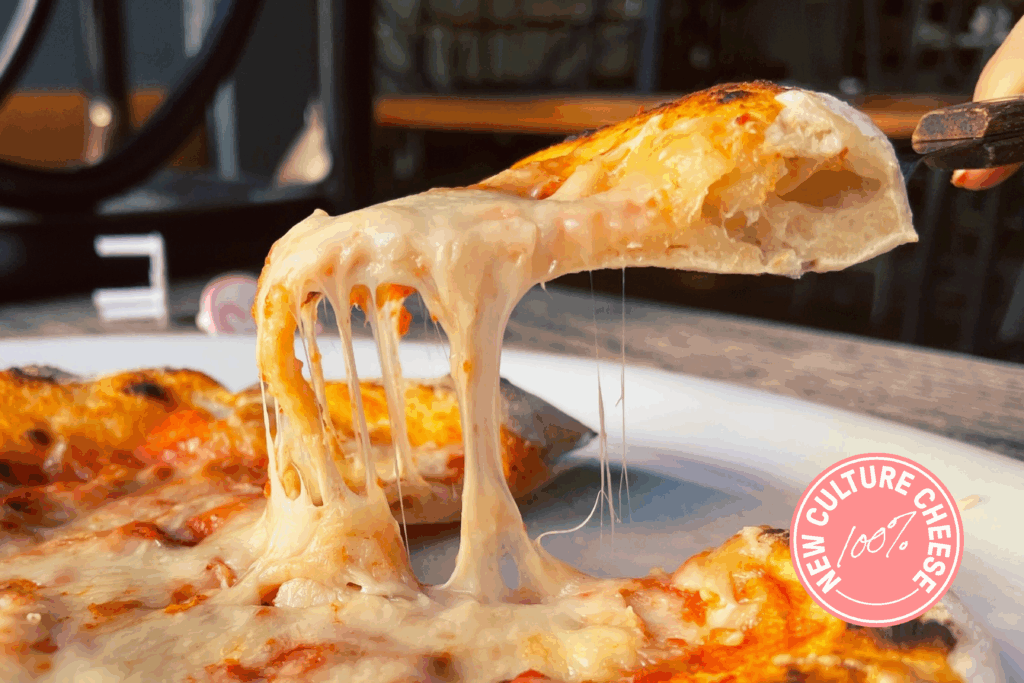
Dairy-free mozzarella is winning over top chefs and stretching the limits of what cheese can be.
Twrl Tea Is A Women-Owned Brand Making Bubble Tea Healthier and More Accessible
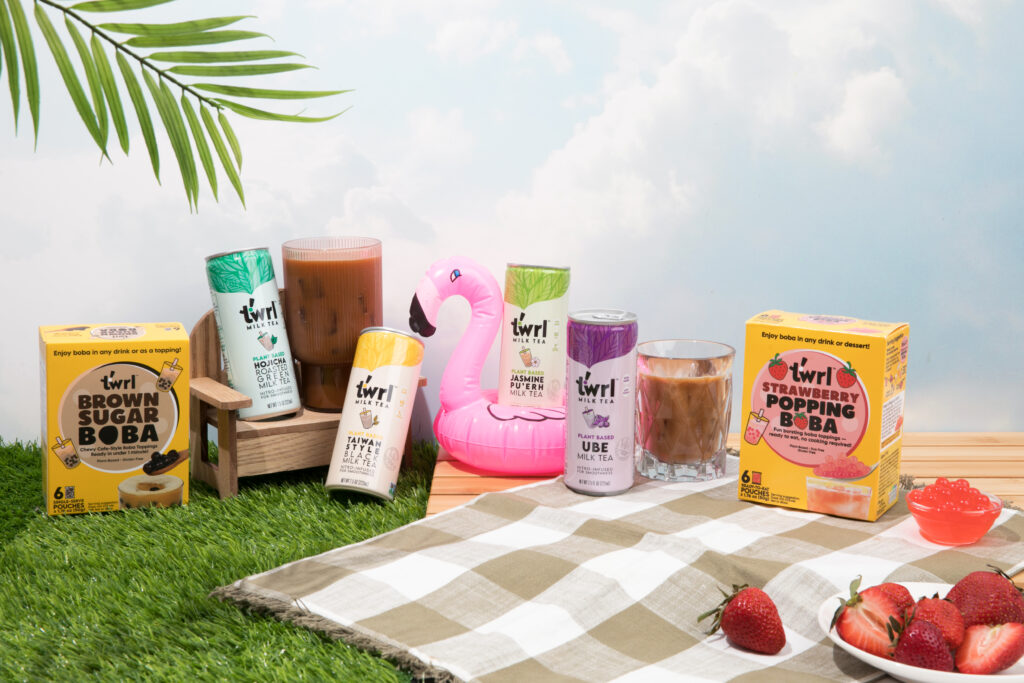
Meet the women behind the pioneering organic, plant-based milk tea brand that is redefining the bubble tea narrative
Four Celebrity-Owned Wellness Brands Taking on the F&B Industry

With the growing importance of self-care in today’s society, here are some famous faces cashing in on the wellness trend