

Onjium in Korea offers a menu rooted in their fermented heritage, served with precision and flair
A restaurant located within a culinary research institute, where a meal becomes a masterclass in Korea’s food heritage.
8 December 2025
Share this exclusive content from Saladplate

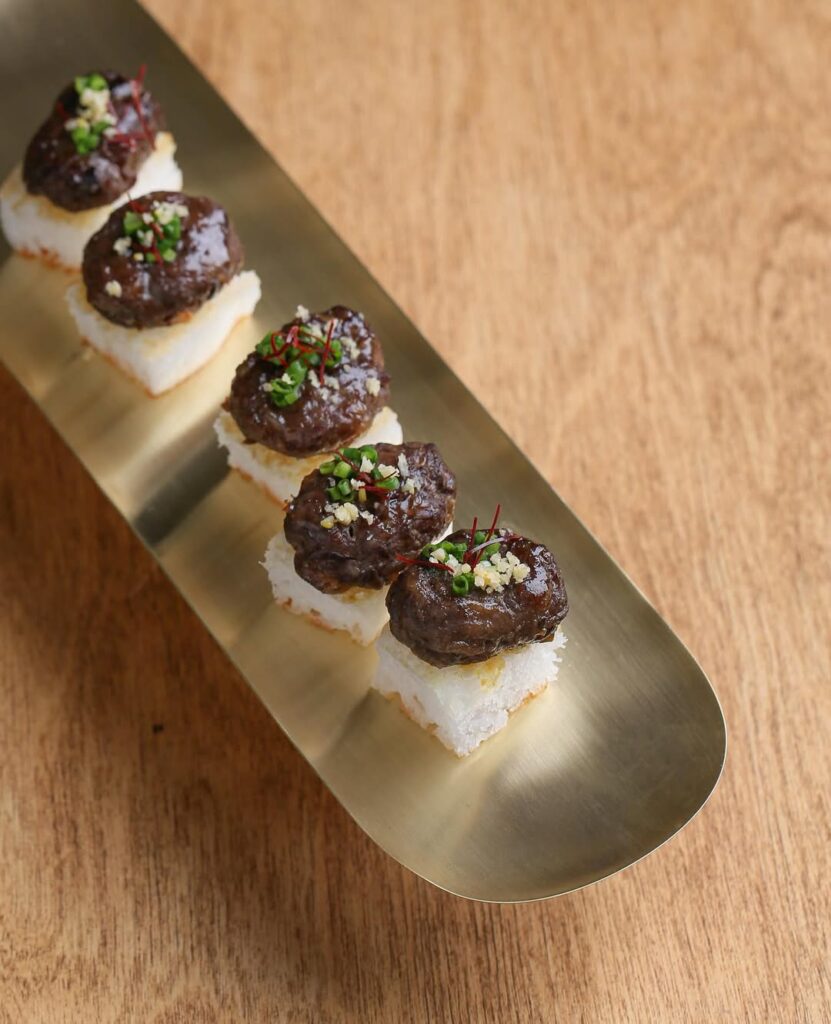
Cuisine backed by culinary research
| Photo credit: Onjium Restaurant
Cuisine backed by culinary research | Photo credit: Onjium Restaurant
You may have heard of Onjium, the 25-seater Seoul restaurant known for its Michelin stars and ranking on
Asia’s 50 Best Restaurants List.
Still, this celebration of Korean heritage is not just a restaurant. It functions as a culinary research institute: a place where the slow, subtle alchemy of fermentation meets the rigour of fine dining. At Onjium, chefs Cho Eun-hee and
Park Sung-bae lead a gastronomic journey deeply rooted in tradition yet executed with finesse.
Fermentation Is the Backbone
Cold-climate Korean upland villages once depended on porous clay jars called onggi, stored outdoors on raised jangdokdae platforms, to transform humble produce into rich, flavour-infused staples like kimchi, doenjang (soybean paste), gochujang (chilli paste), and ganjang (soy sauce) over months — sometimes years. The result was food suffused with umami, probiotics, and seasonal character; preservation was not just about survival, but flavour.

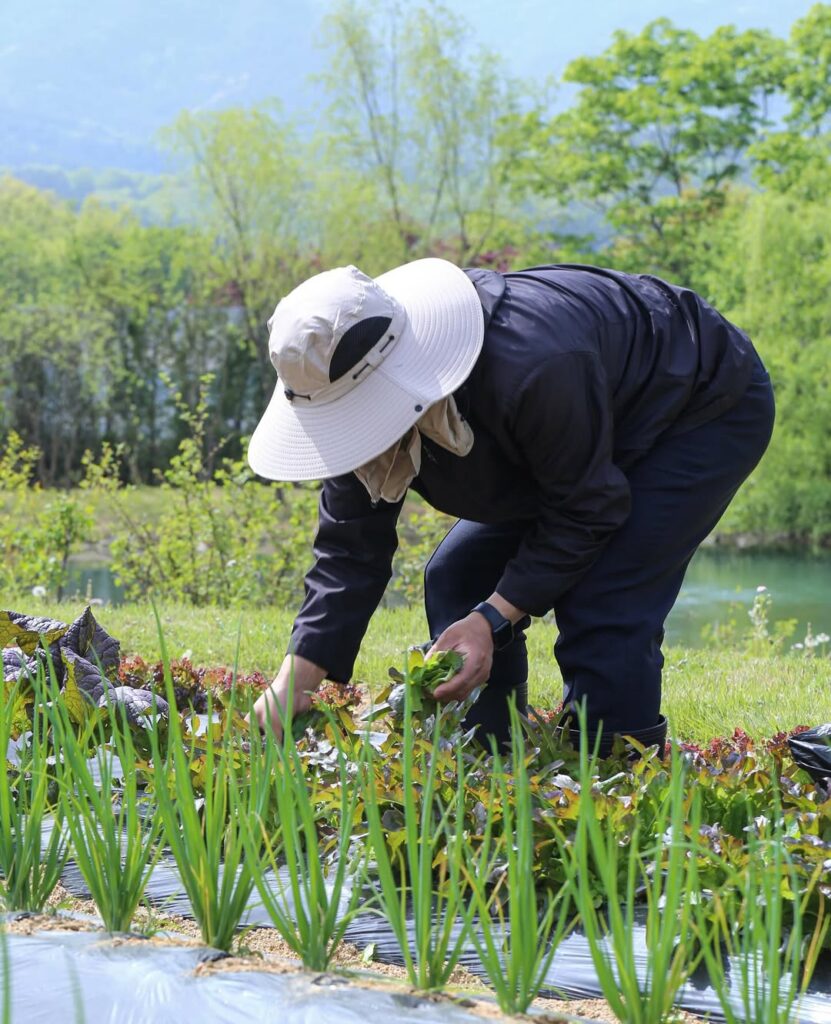
Onjium works directly with local farmers to source the best native Korean ingredients | Photo credit: Onjium Restaurant
Onjium works directly with local farmers to source the best native Korean ingredients | Photo credit: Onjium Restaurant
Onjium revives this philosophy with scholarly intent. The restaurant maintains a dedicated fermentation facility in Namyangju where all foundational pastes: doenjang, gochujang and ganjang — are fermented and aged in-house. These are not side sauces; they are the backbone of every dish, the living essence of flavour and heritage.
These fermented pastes are the cornerstone of Onjium’s menu.
Reviving Royal and Temple Cuisine
Chef Cho, trained in Joseon royal court cuisine (recognised as an intangible cultural asset), joins researcher
Park Sung-bae to mine centuries-old manuscripts, restore noble-class and Buddhist temple recipes, and reinterpret them for today’s diners.
The result is cuisine that speaks of Korea’s seasons, its soil, and its cultural memory. Dishes once reserved for royalty or temple monks now grace a modern, concrete-and-metal dining room overlooking the ancient palace walls, served with fine-dining flair.
Their domain extends far beyond the kitchen. Since 2013, Onjium has functioned as a comprehensive cultural research institute, housing three studios dedicated to Food, Clothing, and Housing. Their commitment to past preservation includes hosting on-site Korean history and culture classes twice a month.
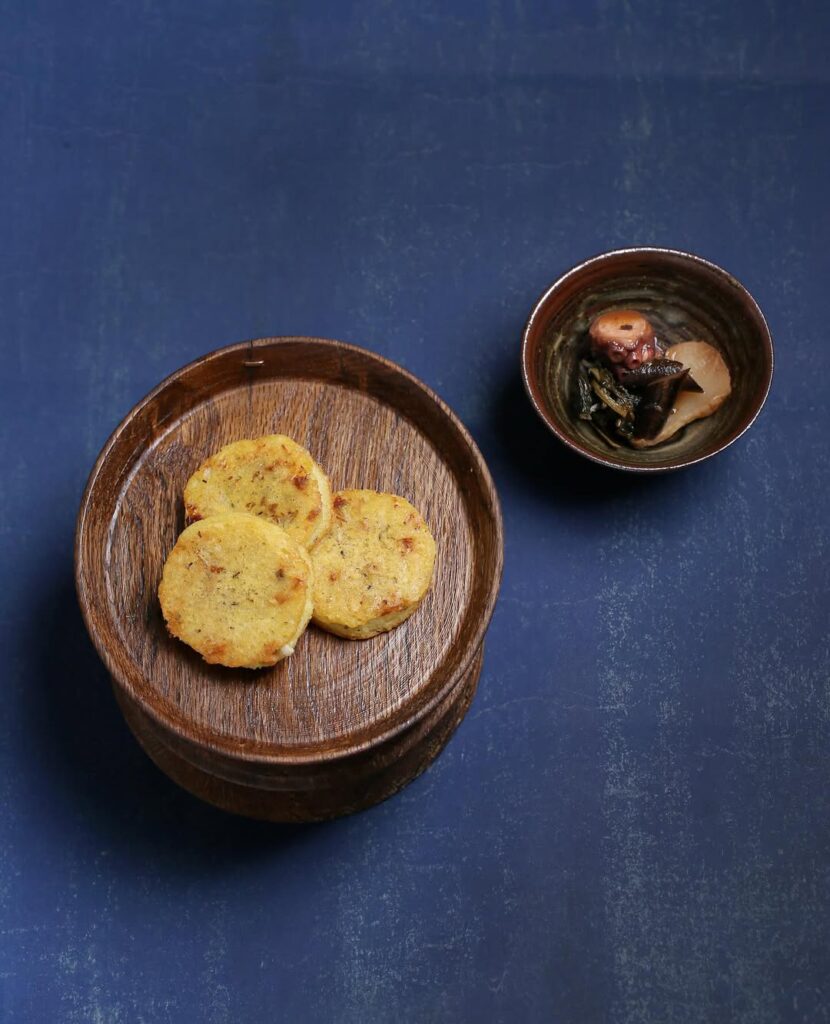

Mung bean pancake with JJeup Jang and Gamjabyeong
| Photo credit: Onjium Restaurant
Mung bean pancake with JJeup Jang and Gamjabyeong | Photo credit: Onjium Restaurant
From Traditional Texts to Table
At Onjium, tradition is never static. The kitchen uses heritage Korean ingredients from heirloom rice to walnut and camellia oils sourced directly from local producers, underscoring a commitment to regional agriculture and food sustainability. Meanwhile, fermentation doesn’t stop at pastes: vinegars, traditional liquors, even inventive drinks from repurposed fruit peels, are part of the repertoire.
For example, a dish of tofu “cheese” made with soybean milk, inspired by an old royal recipe, pays tribute to heritage while embracing present-day culinary sensibilities. Several dishes are reimagined versions of traditional Korean royal cuisine, such as yeolgujatang; a layered soup of meat and seafood, with techniques from temple and royal kitchens thoroughly researched and showcased in Onjium’s seasonal and evolving menus.
“While popular dishes like bibimbap and kimchi are well-known internationally, they are just a small part of Korean cuisine. There are so many different dishes, starting from royal palace cuisine to very common everyday snack foods,” says Chef Cho in an article on CNA Luxury.
Onjium’s repertoire includes imaginative creations like kimchi-infused broths, seasonal porridge, temple-style
mung bean jelly salad, traditional confections, meat and seafood pairings and even a shrimp dish wrapped in strawberry gochujang — all unexpected, yet rooted in tradition.
Vanila bean at hand | Photo Credit: Mireia
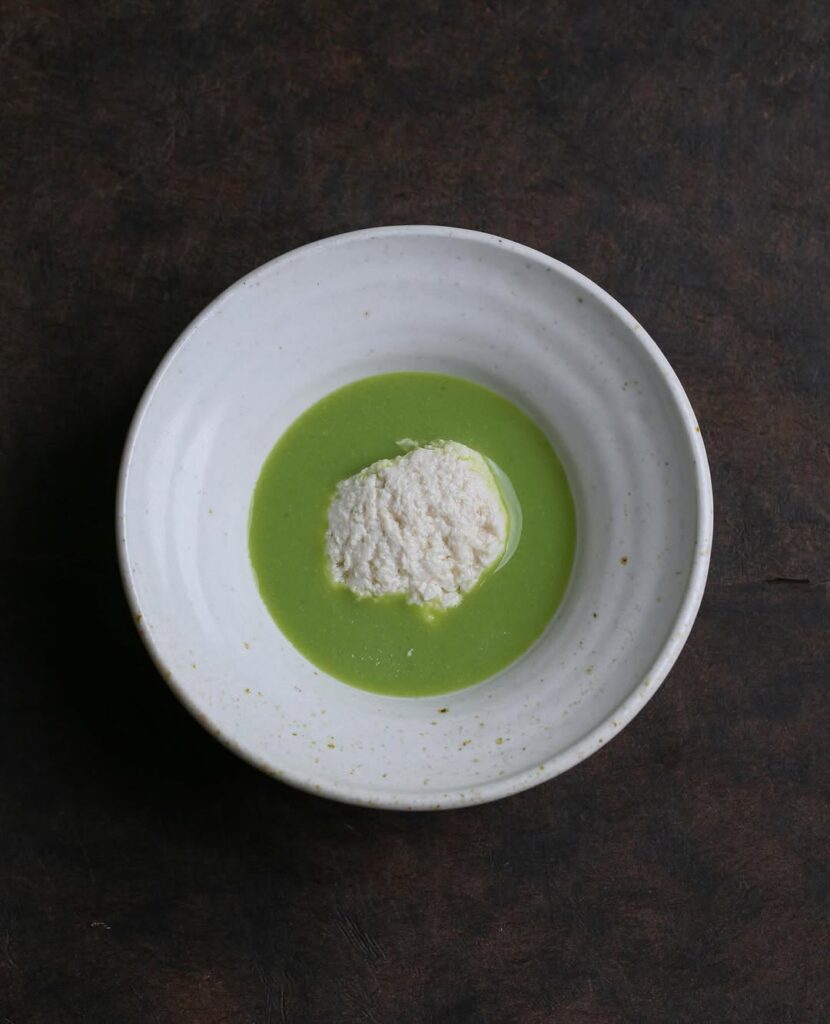
Pea Porridge | Photo Credit: Onjium Restaurant
Pea Porridge | Photo Credit: Onjium Restaurant
Recognition For Global Acclaim
Onjium’s dedication has earned it its due.
Since 2020, the restaurant has maintained a Michelin star, reflecting high-quality cooking that respects both form and flavour. The establishment climbed from No. 21 on the Asia’s 50 Best Restaurants list in 2024 to No. 10 in 2025.
These honours amplify what Onjium has always aimed to do: elevate Korea’s culinary legacy, preserve it, and pass it on to a new generation. As one article notes, Cho and Park view the restaurant not as a profit-driven venture but
“a cultural archive served on a plate.”
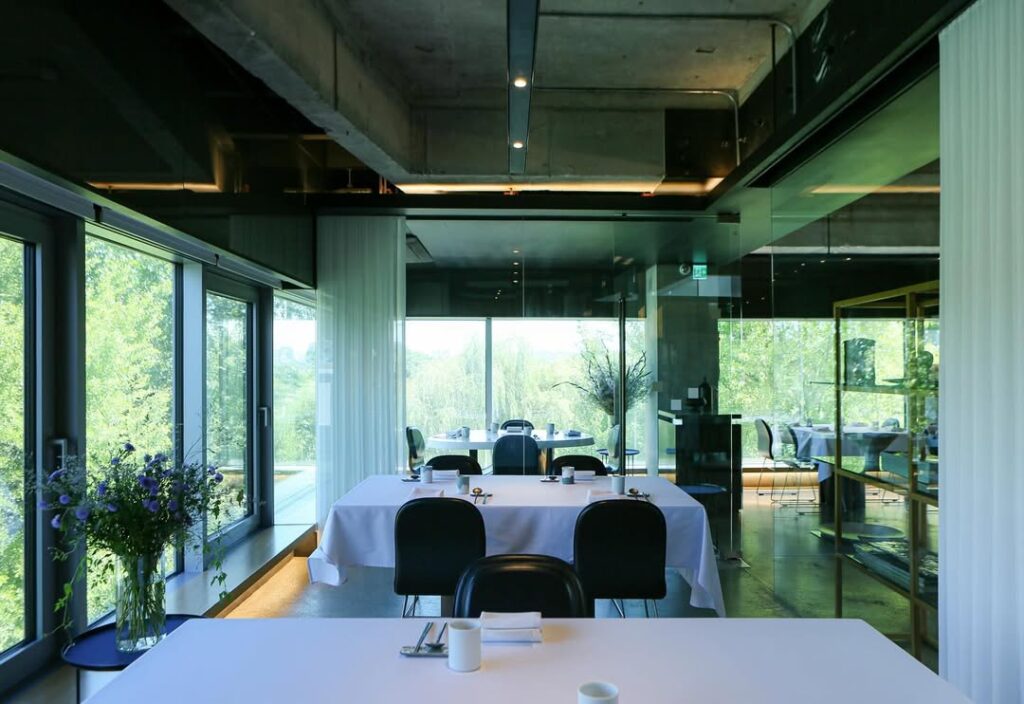
Photo Credit: Onjium Restaurant
Photo Credit: Onjium Restaurant
Tradition as Cultural Rebirth
Fermentation can serve as the centrepiece of haute cuisine. It shows that, with patient study, cultural respect, and a willingness to reimagine the past, traditional Korean cooking can achieve elegance, subtlety, and global recognition.
In doing so, Onjium is not just feeding diners — it is nurturing Korea’s culinary consciousness.
Author: Priyanka C. Agarwal
Priyanka is a writer, editor and storyteller. Her words have appeared on the print and online pages of The South China Morning Post, SilverKris, Her World, The Michelin Guide, Time Out, and more. She has also created custom content for leading brands like Sentosa, Mediacorp Special Projects, Asia’s 50 Best, IKEA, and Meat and Livestock Australia. Her expertise includes food and drink, wellness, luxury and travel.