

The Buzz Without the Booze:
Inside Asia’s Caffeine-Fuelled Day Rave Movement
How slow-poured matcha and inventive espresso drinks have replaced bottle service and hangovers in this wellness-oriented social ritual.
21 November 2025
Share this exclusive content from Saladplate
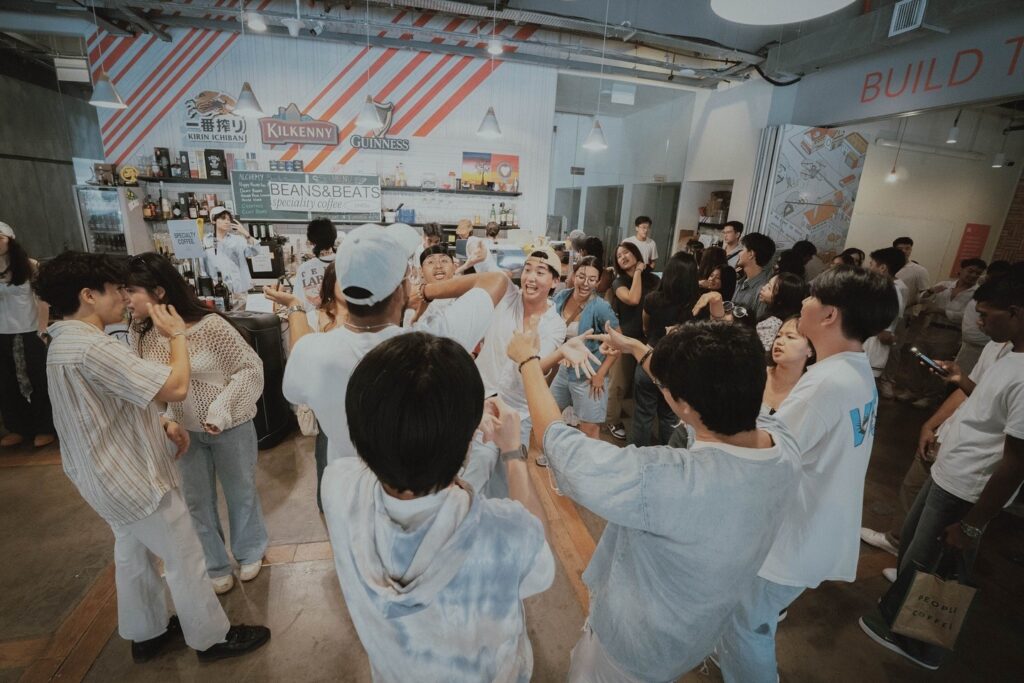
A coffee rave organised by Beans & Beats | Photo Credit: Beans and Beats
A coffee rave organised by Beans & Beats | Photo Credit:
Beans and Beats
On a bright Sunday afternoon at Singapore’s National Gallery, a free matcha rave transforms the historic space into a sunlit dance floor, fusing art and movement with caffeine. Deep house beats, freshly whisked matcha and a relaxed crowd move in sync at the city’s cultural landmark. Hours before the clubs even flicker awake, the city’s nightlife is already underway, only this version swaps cocktails for cold brews and hangovers for clarity.
Across Asia, from Hong Kong’s underground creative hubs to Seoul’s sleek café districts, coffee-and-matcha raves are taking hold. These caffeine-fuelled, alcohol-free parties reinvent nightlife, ditching the morning-after slump for clarity, single-origin espresso, ceremonial matcha and a generation exploring a radically different social ritual.
Also known as ‘soft clubbing’, these events aren’t specific to coffee or matcha, but they originated to satisfy an alcohol-optional or booze-free approach to a ‘night out’.
“I love going out, but hate the hangover,” said 22-year-old Emily Goh. “I get the music, the people, the energy, and
I still feel good afterwards. It’s like clubbing without the downside.”
The sober-curious wave, already mainstream in New York, Los Angeles, and Sydney, is transforming how sobriety is viewed, making non-alcoholic choices aspirational rather than a compromise, with Gen Z leading the way.

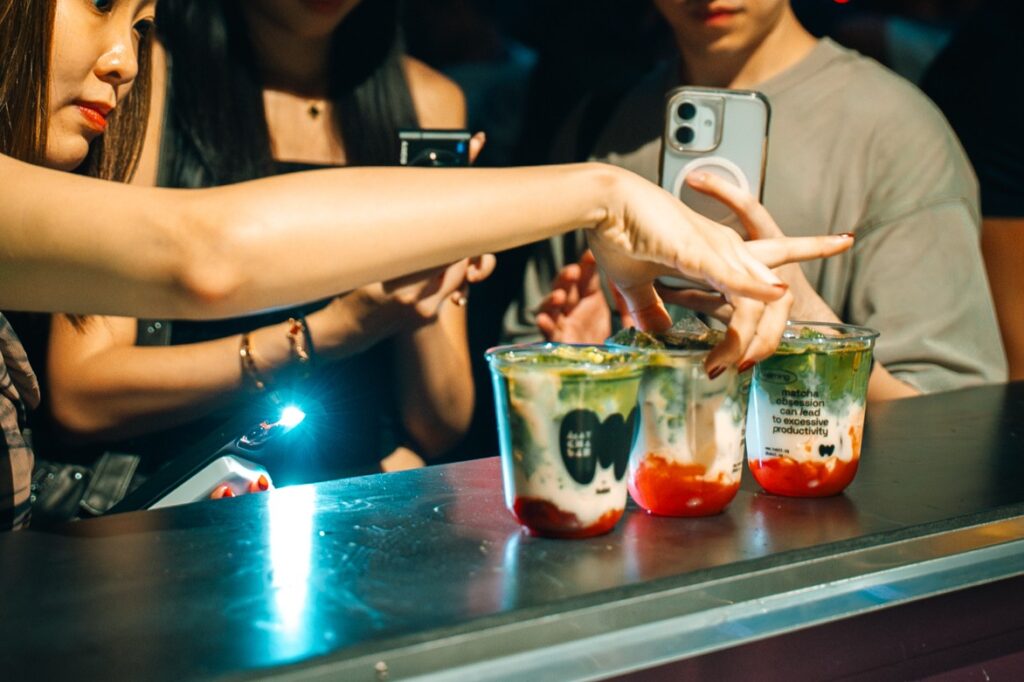
Matcha-fuelled music events | Photo Credit: Exposure Therapy
Matcha-fuelled music events | Photo Credit: Exposure Therapy
The movement has taken on its own identity, grounded in caffeine, community and sunlit connections. What started as a wellness-adjacent experiment has grown into a region-wide cultural shift. Slow-poured matcha and inventive espresso rituals have replaced bottle service, reflecting a broader post-pandemic mindset: a generation eager to have fun without sacrificing their mental well-being.
Few know this world better than Harpreet Gill, co-founder of Singapore-based Exposure Therapy, a matcha and coffee rave organiser. Gill and his team set out to recreate the thrill of nightlife and genuine connections without the need for substances.
“People still want the energy and community, but in a way that’s healthier, more affordable, and fitting into the routines they’ve created for themselves,’’ says Gill. Exposure Therapy’s events, with their LED walls, performance art, curated DJ sets, and grounding zones, feel more like micro-festivals than café pop-ups. But matcha and coffee remain the mainstays, boosting focus and serving as easy social connectors. The result is a more inclusive culture that attracts dancers, creatives, athletes, and students, who prefer a sober, community-focused space over a traditional club.
Part of the appeal is financial.
Instead of shelling out for cover charges and cocktails, guests typically pay a modest entry fee (sometimes free) and spend a fraction of what they would at a club. With no alcohol markup and events held during the day, the entire experience is dramatically more wallet-friendly, making it especially appealing to Gen Z and young professionals who want the energy of a night out without the financial hangover. This combination has allowed coffee and matcha raves to spread quickly, from bakeries turned dance floors in Australia to pre-noon ‘coffee clubs’ drawing queues around Seoul and Tokyo blocks.
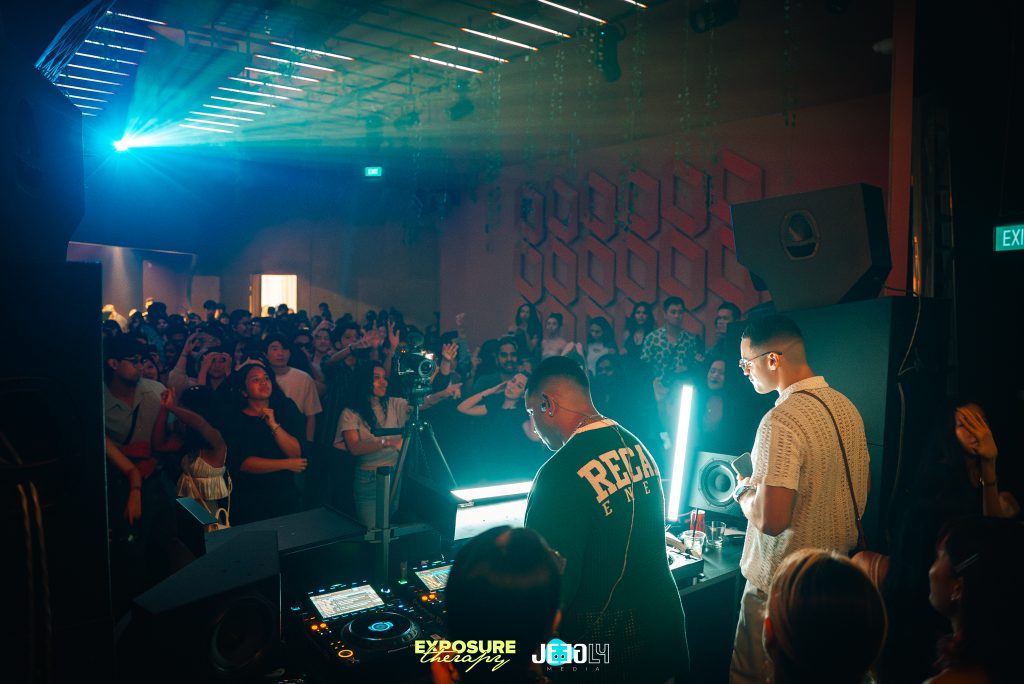
Photo Credit: Exposure Therapy
Photo Credit: Exposure Therapy
Much of Gen Z’s lower alcohol spending stems from economics, limited income and age restrictions, according to a report by Rabobank. Their households now devote just 0.74% of income to alcohol, down from 1.1% a decade ago, roughly a third less than similarly aged Millennials did then.
Beans & Beats, which positions itself as a “third space for speciality coffee and curated music,” has marked its regional rise with a compelling origin story: what began with brewing coffee and DJ-ing in a cramped apartment has evolved into a movement bringing intentional, sober third spaces to rooftops, malls, cafés, and even the Mandai Rainforest Resort by Banyan Tree.
Their model is deceptively simple yet commercially savvy: pair high-quality coffee with music-led programming to create safe, substance-free environments that still feel culturally electric. This formula has already travelled across Asia, with caffeine- and music-centred sober events staged in Singapore and Jakarta.
Still, Exposure Therapy’s Gill doesn’t view the movement as a substitute for nightlife but as an extension of it.
He expects more cultural venues and lifestyle spaces to experiment with daytime raves to reach audiences beyond the usual late-night crowd. But he’s adamant that the core should remain intact: a parallel lane with its own identity, intimate, intentional and distinctly different.

Photo Credit: Beans and Beats
Photo Credit: Beans and Beats
By turning cafés, galleries and studios into immersive, daytime party spaces, these events create the kind of memorable moments that Gen Z craves. Photobooths and beautifully-crafted matcha drinks make for striking visual content for TikTok and Instagram, spreading the vibe far beyond the room. Unlike traditional alcohol-fuelled nights, attendees can choose their pace; dance hard, lounge with tea or join a breathwork session. In a region steeped in café culture and growing wellness awareness, coffee and matcha raves feel like a natural evolution, offering a generation connection without excess, fun without a hangover and a budget-friendly alternative for Gen Z.

Photo Credit: Exposure Therapy
Photo Credit: Exposure Therapy
“These gatherings create new ways of connecting,” Gill says. “It’s not anti-alcohol; it’s an alternative way to ritualise togetherness.”

Photo Credit: Exposure Therapy
Photo Credit: Exposure Therapy
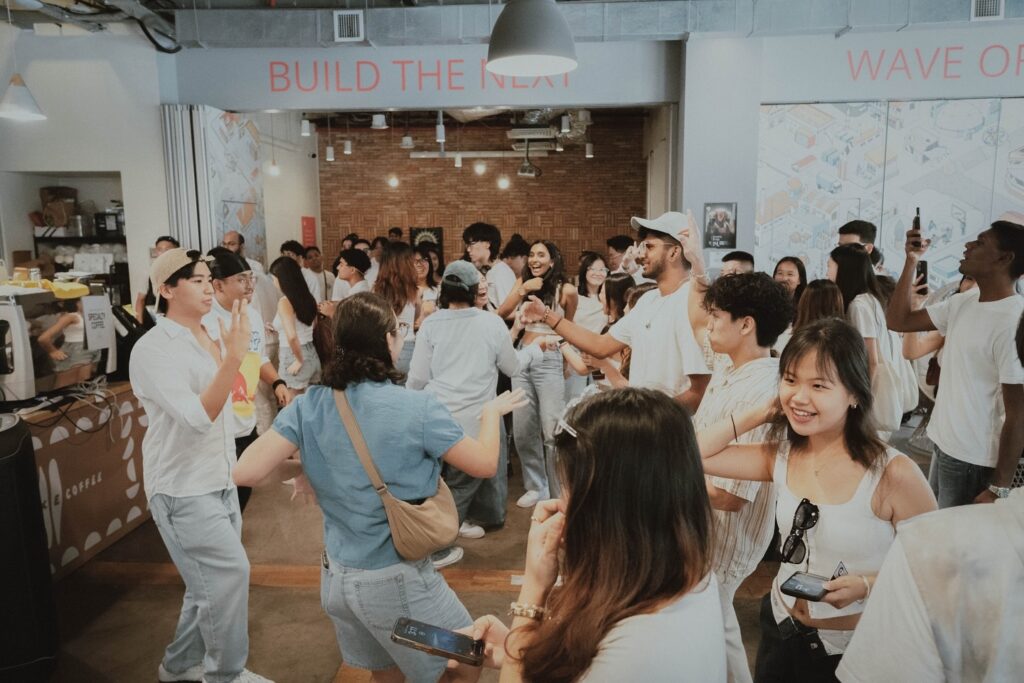
Photo Credit: Beans and Beats
Photo Credit: Beans and Beats
Author: Pooja Thakur
Pooja Thakur is a senior journalist, writer, and editor with over 20 years of experience in print and digital media and in creating custom content for periodicals. She has been a long-serving senior reporter at Bloomberg News covering areas such as real estate, stocks and personal finance and investing across markets with a focus on Southeast Asia and India. In her free time, she enjoys scuba diving, rucking and finding the newest watering hole in town.