

5 risks restaurants
can’t afford to overlook in 2026
Top insurance claim liabilities restaurants might be overlooking, from equipment breakdowns
to AI-related issues.
11 February 2026
Share this exclusive content from Saladplate
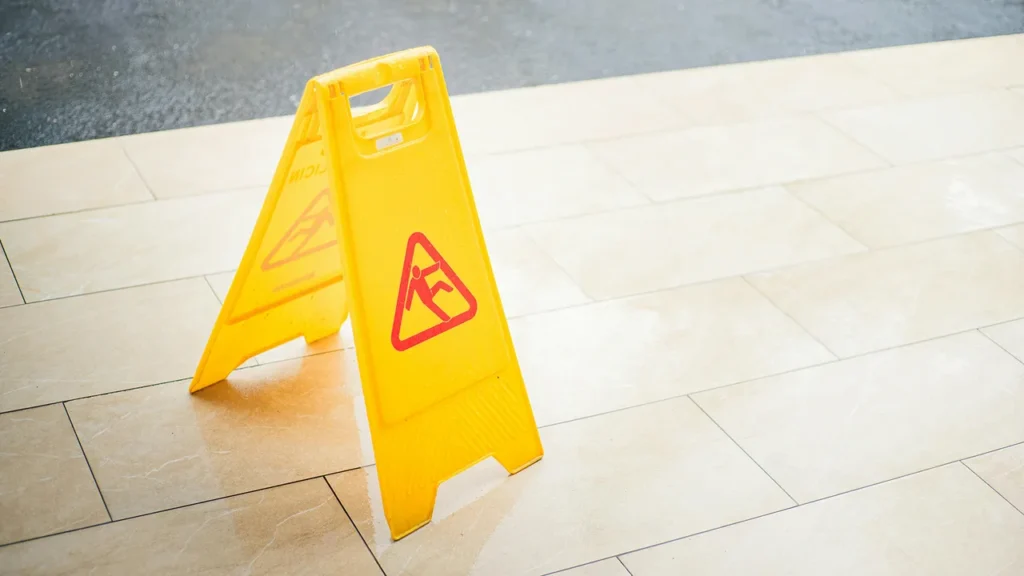
Photo caredit: Pexels
Photo credit: Pexels
As 2026 gets underway, restaurant operators continue to navigate a tough economic environment. Margins remain strained, largely due to climbing food and labor costs. Both rose by 35% between 2019 and 2025, according to the National Restaurant Association.
These pressures aren’t just hitting the bottom line. They’re also leading to downstream risks that often go unnoticed until they trigger major — sometimes catastrophic — losses.
In 2026, even restaurants that manage to walk the line between rising operational costs and lean profitability may find themselves knocked off course by an insurance liability claim they didn’t see coming.
In a survey by digital restaurant insurance provider ERGO NEXT Insurance, one in five small business owners (21%) said they had no extra income to invest in the second half of 2025, only a modest improvement from 28% in 2024. For restaurants, this limited financial flexibility often means putting off critical investments in equipment, technology, hiring, and risk management.
Unfortunately, today’s liability landscape is more complex and costly than ever, leaving operators more exposed when essential improvements are postponed. The good news? Many of these risks are manageable.
Below are five growing exposures that could impact your business in 2026 — and proactive steps you can take now to stay protected.
Deferred maintenance and equipment breakdowns
At ERGO NEXT, we’re seeing business interruption claims tied to equipment failures rising in both frequency and severity, a trend that shows no sign of slowing in 2026. The cost of an average equipment breakdown claim has doubled between 2024 and 2025.
Faced with growing financial pressure from rising costs, many restaurant operators are deferring routine equipment maintenance and upgrades. That delay is fueling a spike in breakdowns involving critical systems like refrigeration, cooking equipment, dishwashers, and electrical components.
Worsening the issue are supply chain challenges and contractor backlogs that extend repair timelines. Delays in sourcing parts and long waitlists for qualified technicians mean closures last longer, inflating the size of claims or leaving operators underinsured if their policies haven’t kept pace.
Insurers are also scrutinizing claims more closely, often contesting whether damage was accidental — which is typically covered — or the result of deferred maintenance or wear and tear, which is not.
Operator takeaway: Your restaurant insurance and update your business interruption policy to reflect today’s longer and costlier repair timelines and prioritize maintenance now to avoid preventable disruptions later.
Premises liability as a leading and costly exposure
The same margin pressures causing restaurant operators to delay kitchen equipment upgrades are also driving cuts to property upkeep. But neglected issues like worn flooring, minor leaks, and cracked sidewalks can quickly escalate into costly liability claims if a guest slips and falls.
Slip-and-fall incidents remain among the most common claims restaurants face, especially during the winter; ERGO NEXT sees approximately a 25% lift in slip-and-fall claims in winter months compared with summer months.
While that trend is expected, what’s changed is the severity of claims. Rising medical costs, increased attorney involvement, and the rise of third-party litigation funding have driven higher settlements and jury awards, even for routine incidents. Consider the case of a Florida man who was awarded $8 million after he suffered serious injuries and medical debt from a slip-and-fall in a Burger King bathroom.
Operator takeaway: Even if full upgrades aren’t feasible, basic precautions can mitigate risk. Operators should quickly address hazards like wet floors or unsecured mats, maintain proper lighting in high-traffic areas, and use clear signage to warn of slippery or unsafe conditions. If an incident occurs, document it thoroughly and alert your insurer early — it can make a significant difference in the outcome of a claim.
AI-generated content errors that trigger liability claims
Many independent and small restaurants now rely on AI tools to create marketing materials, social media posts and even menu descriptions. While these tools can save time, they also introduce risk when outputs aren’t closely reviewed.
AI-generated outputs can expose businesses to claims of copyright infringement, defamation, false advertising, and misrepresentation. In the restaurant space, the risks are even more acute. If an AI-generated menu omits a key allergen and it goes unnoticed, the result could be a serious health incident and a major liability claim.
Operator takeaway: Always double-check AI-generated content for accuracy, especially when it relates to allergens and ingredients. A few extra minutes of review could prevent a costly legal issue down the line.
In-house delivery models that create unseen auto and fraud risks
According to a survey by POS provider Toast, restaurant guests are ordering delivery or take out just as often as they dine in, typically three to five times per month. To avoid paying third-party delivery apps’ fees, some restaurants are bringing back in-house delivery. But while this move protects margins, it can also introduce new risks.
If employee drivers use personal vehicles for deliveries, that creates non-owned auto liability exposure, meaning the restaurant could be held responsible for accidents involving employee-owned cars.
Additionally, without the safeguards built into delivery apps — such as driver verification, driving record checks, background checks and GPS tracking — the potential for fraud or misuse increases. Common issues include falsified deliveries, pocketed cash payments or inflated mileage claims, all of which are difficult to detect without proper oversight.
Operator takeaway: If you’re shifting away from third-party delivery, talk to your insurer first. Confirm that your restaurant insurance policy covers non-owned auto liability and take steps to mitigate risk, including clear driver protocols, insurance verification and delivery documentation.
Cyber incidents and AI-enabled fraud
As restaurants become more digitally connected, they’re increasingly vulnerable to cyberattacks, especially those targeting point-of-sale (POS) systems and employee email accounts linked to back-office platforms. A ransomware attack or system outage can bring operations to a halt, leading to lost revenue and business interruption claims that some policies may not fully cover.
At the same time, AI is fueling a new wave of fraud schemes. Sophisticated phishing emails, forged invoices and manipulated accounts payable communications are becoming harder to detect, especially for lean teams without dedicated IT or finance staff.
Operator takeaway: Invest in basic cybersecurity measures, such as POS software updates, employee training and multifactor authentication. Then, review your cyber liability and business interruption coverage with your agent to ensure it reflects today’s digital risks.
The risks facing your restaurant may be evolving, but so are the tools and strategies available to manage them. From smarter restaurant business insurance coverage to small, proactive safety upgrades, you have more control than you might think.
The key is to treat risk management as an ongoing part of running your business — not something you revisit only after a claim. By staying informed and addressing vulnerabilities early, you can build resilience into your operations and protect your margins.
Source: Nation’s Restaurant News