

Beyond Pad Thai and Pho: Europe’s Growing Appetite for Regional Asian Cuisine
Walk through Paris or London today, and the Asian restaurant landscape looks unrecognisable from a decade ago. Once dominated by broad categories like “Thai” or “Chinese”, the dining scene has given way to one that embraces the full diversity of Asia’s regional cuisines, fostering cultural curiosity and giving European diners a far more nuanced understanding of the continent’s food.
1 August 2026
Share this exclusive content from Saladplate

Hand-pulled noodles fron China’s Shanxi province, by Wen Cheng, that operates restaurants across
7 German cities: Berlin, Potsdam, Hamburg, Düsseldorf, Frankfurt, Mannheim, and Cologne | Photo credit: Wen Cheng
Hand-pulled noodles fron China’s Shanxi province, by Wen Cheng, that operates restaurants across
7 German cities: Berlin, Potsdam, Hamburg, Düsseldorf, Frankfurt, Mannheim, and Cologne | Photo credit: Wen Cheng
Hand-pulled noodles might not be the first food that comes to mind when you think of Berlin. Yet Wen Cheng, a restaurant dedicated to the broad, hand-pulled biang biang noodles of China’s Shanxi province, has turned them into one of the city’s most recognisable Asian restaurant concepts. Together with partner Valentin Spieß, co-founders Rui and Peng Gao opened the restaurant in 2021, naming it after the Chinese village where their parents grew up. Its open kitchen puts the craft on display, with chefs stretching fresh dough into thick, chewy noodles served with intensely flavoured sauces, chilli, garlic and Sichuan pepper. The result is a highly specific regional product presented in an accessible, contemporary format.
The formula has proved remarkably successful. The original restaurant quickly developed queues and, just over a year after opening, Wen Cheng won the notable Berlin Kiezmeister 2022 award, recognising standout local businesses. Today, the brand has expanded across Berlin and seven other German cities. Its rapid growth suggests that culinary specificity, rather than limiting a restaurant’s appeal, can become a scalable driver of growth.
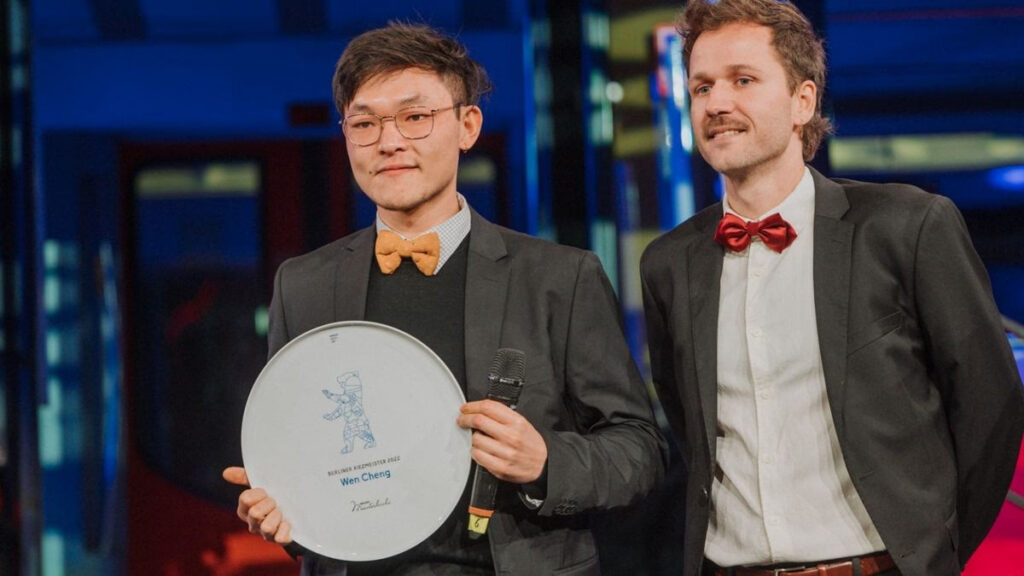
Their remarkable growth has won them numerous laurels, including the Berlin Kiezmeister | Photo credit: Wen Cheng
Their remarkable growth has won them numerous laurels, including the Berlin Kiezmeister | Photo credit: Wen Cheng
For decades, Asian food in Europe was largely associated with casual, inexpensive dining, judged more on value and familiarity than technique or culinary pedigree. That perception is changing as regional Asian cuisines enter the premium restaurant sector. London’s Rambutan is one such example, bringing regional Sri Lankan cooking to Borough Market through dishes such as Jaffna-style Dalesbred hogget skewers, grilled king prawns with goraka butter and Northern-style pork neck with katta sambol. Founded by chef Cynthia Shanmugalingam, the restaurant describes its offering as “Sri Lankan diaspora cooking”, drawing on regional traditions through the perspective of someone who grew up between two cultures.
Born in Britain to Sri Lankan parents, Shanmugalingam spent time in Sri Lanka researching the cooking that would shape Rambutan. Recalling her family’s village in Jaffna, she described buying crab directly from fishermen, picking curry leaves and moringa from the garden and sourcing spices from the village mill — a level of freshness and locality she felt was missing in London. Today, regional Asian restaurants also benefit from a more developed European supply chain, with specialist importers and Asian food suppliers making once-difficult-to-source ingredients increasingly accessible.
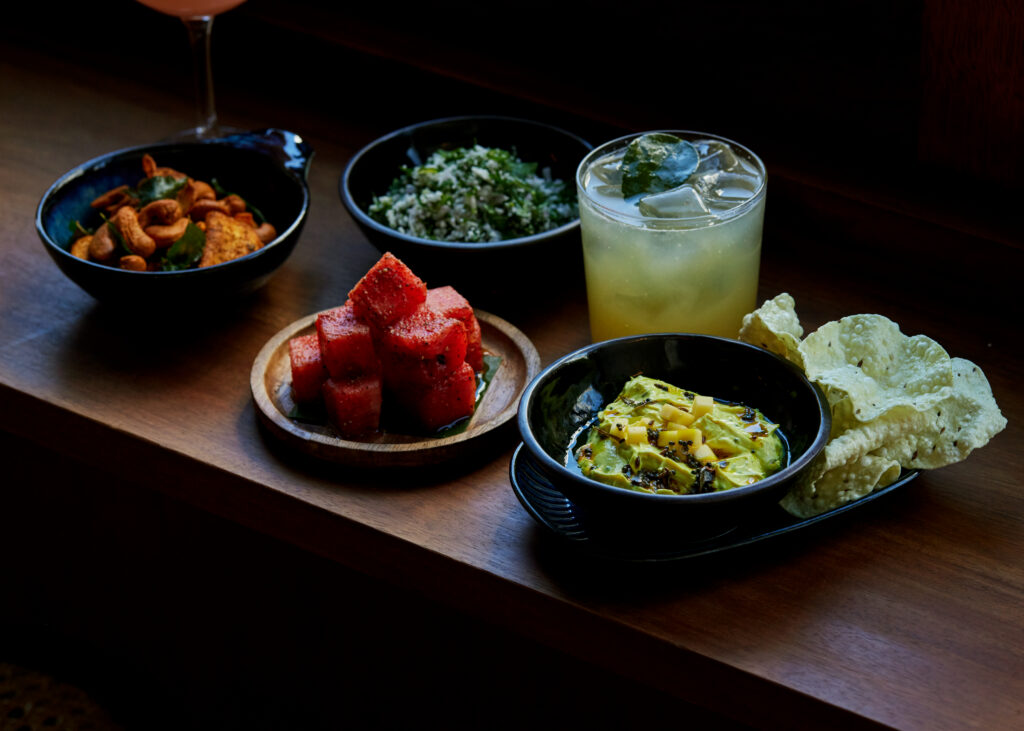
London’s Rambutan brings regional Sri Lankan cooking into the mainstream with it’s buzzy Borough Market location | Photo credit: Rambutan
London’s Rambutan brings regional Sri Lankan cooking into the mainstream with it’s buzzy Borough Market location | Photo credit: Rambutan
For many first-generation immigrant restaurateurs, opening a restaurant was primarily an exercise in economic survival — appealing to local tastes and building a viable business. The next generation of chefs is bringing a different relationship to the food they inherited, with greater freedom to explore what their cultural heritage means to them and how to reinterpret it. Social media and increased international travel are also making diners more receptive to cuisines beyond the familiar, as seen in Rambutan’s Sri Lankan breakfast of hoppers, coconut rice, fried fish, spicy sambol and cardamom tea.
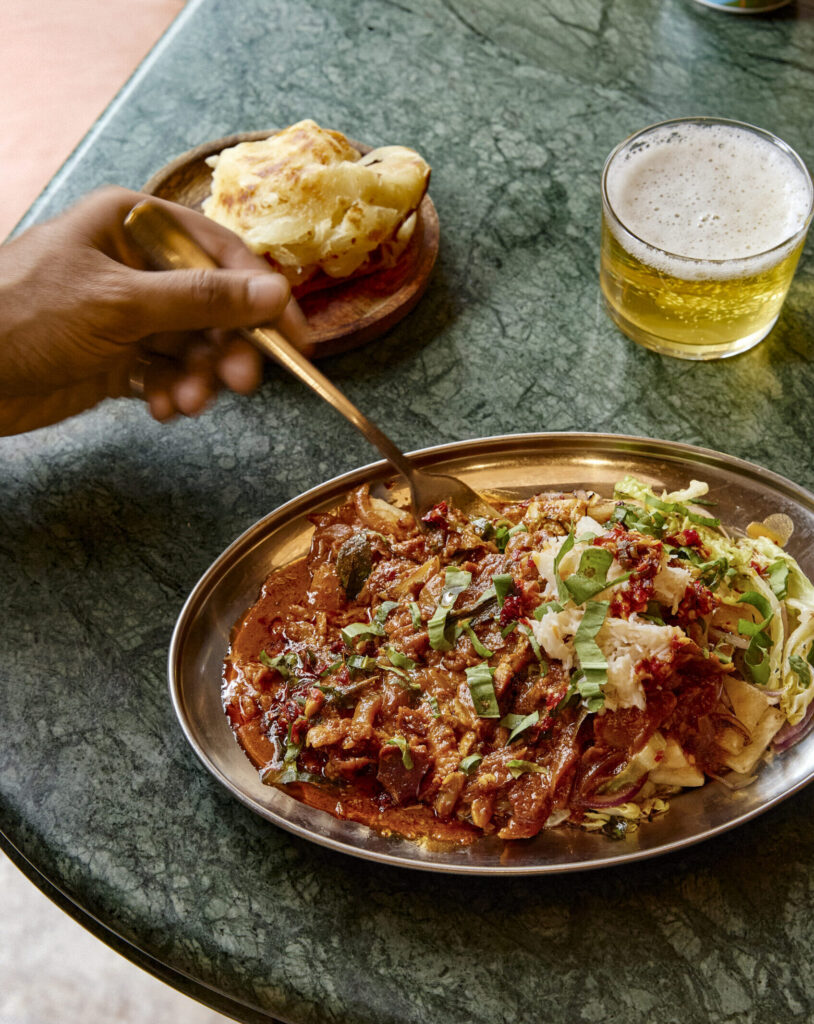
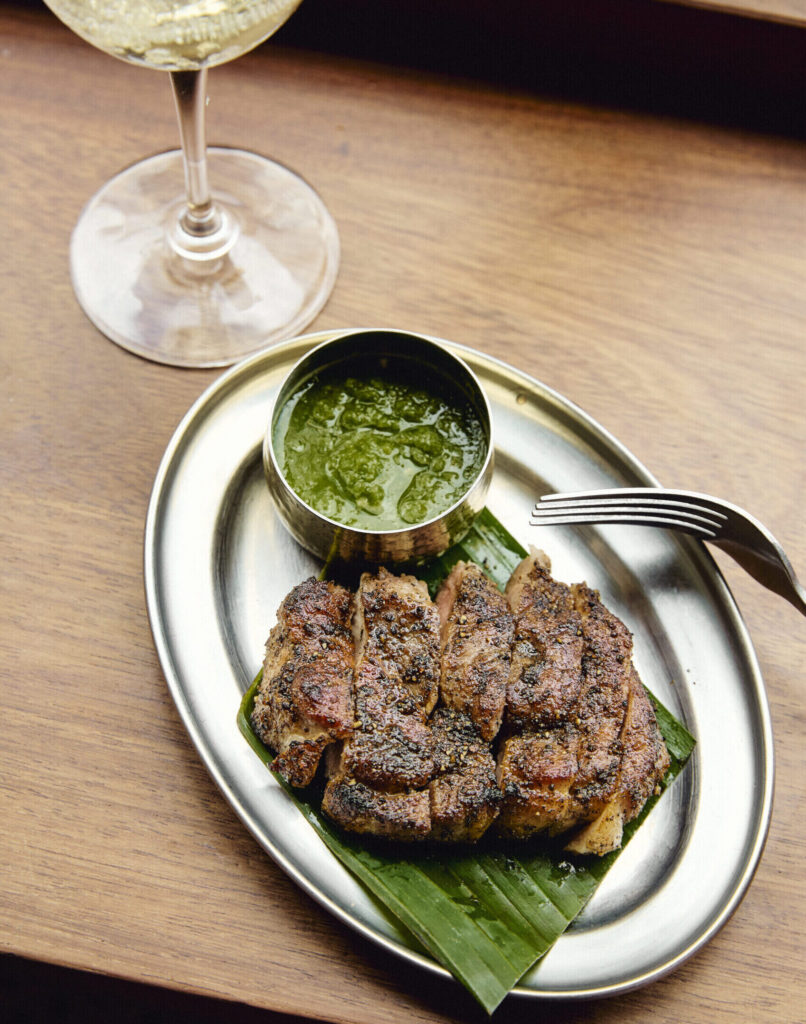
Rambutan’s menu features mainly village-style dishes from the north of the island, where her family originates | Photo credit: Rambutan
Singapore may be a country rather than a region, yet its signature dishes are not as well known in Europe as Thailand’s pad thai or Vietnam’s pho. Changing that has been part of the mission behind The Hood, a Singaporean restaurant in Paris co-founded by Pearlyn Lee in 2016. Today, customers seek out its pandan chiffon cake and kaya, but in the beginning, few knew what either was. “Education therefore became part of our work, but we did not want dinner to feel like a lecture. Discovery had to be fun,” stated Lee.
The Hood called its green pandan chiffon “Alien Cake”, serving it with homemade kaya and offering tastes to people passing on the street. Lee elaborated, “We did not make these flavours accessible by diluting them. We made discovering them generous, playful and social, then allowed the food to do the rest.” The same approach was applied to chicken rice, another Singaporean classic, with the team taking time to explain how the rice was cooked in chicken stock, as well as the different sauces and aromatics. Customers could then understand how much craft sat behind its apparent simplicity. “French diners appreciate a good story, careful sourcing, craftsmanship and, ultimately, good flavour. When the food is done properly, it speaks for itself,” she added.

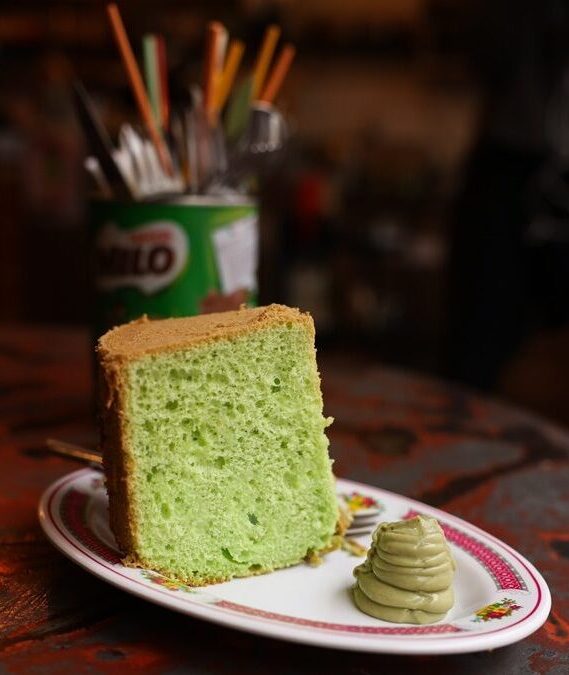
Iconic Singapore cuisine stalwart, ‘chicken rice’ and pandan chiffon cake with kaya served at The Hood, Paris | Photo credit: The Hood
Singapore’s culinary complexity is rooted in its history. Migration, trade and colonialism brought Chinese, Malay, Indian, Peranakan and other communities into close contact, with traditions evolving alongside one another through shared ingredients, techniques and everyday life. The result is a food culture that cannot easily be reduced to a single identity. This was something Lee encountered first-hand when The Hood was rejected from a Paris Lunar New Year street-food market because Singapore was deemed “not Chinese enough”.
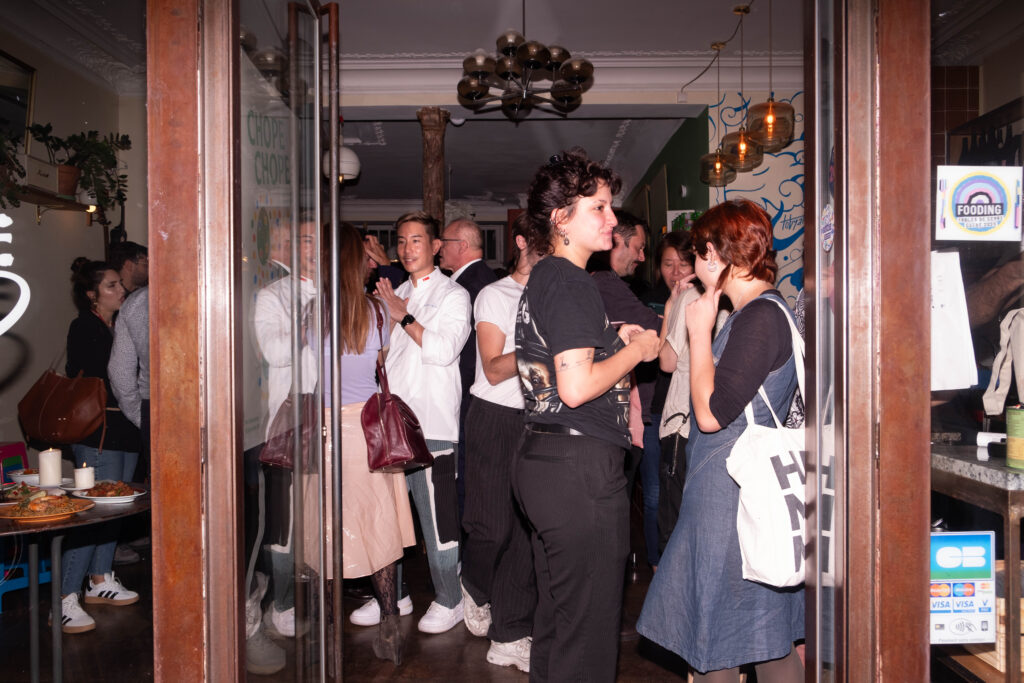
The Hood’s cultural platforms, Chope Chope and Blk 65, host events and create spaces for Singaporean chefs and Southeast Asian personalities to meet, mingle and open up conversations around food and culture | Photo credit: The Hood
The Hood’s cultural platforms, Chope Chope and Blk 65, host events and create spaces for Singaporean chefs and Southeast Asian personalities to meet,
mingle and open up conversations around food and culture | Photo credit: The Hood
For Lee, the conversation does not stop at the restaurant. She created Chope Chope in 2023, a platform that gave Singaporean chefs space to open conversations about identity, migration, family and what Singaporean culture actually means. Through pop-ups and cultural exchanges, Chope Chope has brought chefs from Singapore to Paris to share the stories and heritage behind their food. Following that, BLK65 was launched – The Hood’s broader cultural platform, which aims to create visibility and opportunities for Southeast Asian chefs, founders and creative voices in Europe. Its programming has expanded beyond food, from bringing Singaporean performer Hossan Leong to Paris for a cabaret performance called Singapore Boy in Paris, to launching Galerie 65, an exhibition space for Southeast Asian artists, as well as collaborating with the Singapore Tourism Board on cultural programming around Singaporean food, travel, art, design and craft. “The aim is not to speak on behalf of Southeast Asia, but to bring more Southeast Asian voices into the room and enable them to be seen, heard and supported on their own terms.”
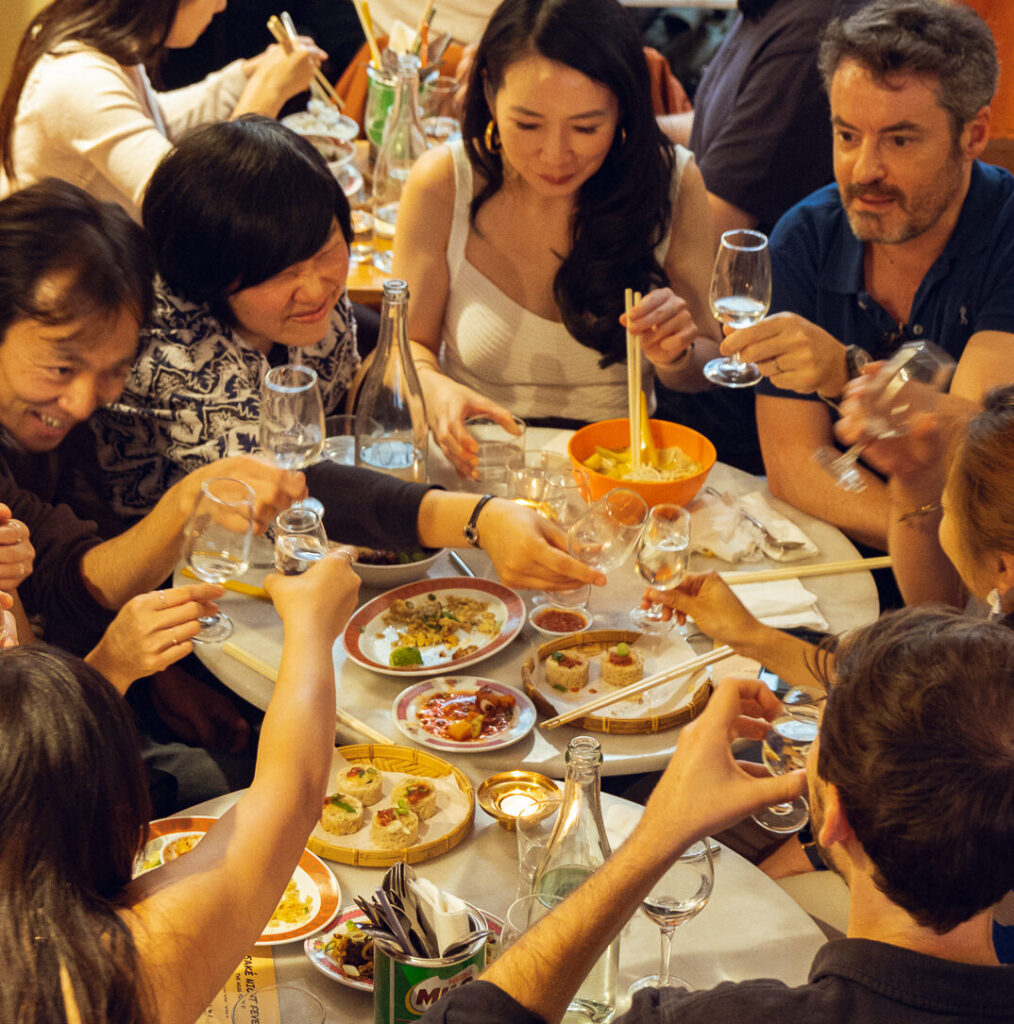
Singapore-style dining in Paris | Photo credit: The Hood
Singapore-style dining in Paris | Photo credit: The Hood
In a world of increasing connectivity, the boundaries between food cultures are becoming less defined by geography. Today, diners can enjoy mushrooms from Yunnan in London, South Indian vegetarian cuisine in Berlin or Chaoshan beef hotpot in Paris. Driven by a desire to authentically represent their food cultures and by greater access to regional ingredients and culinary knowledge, a new generation of chefs and restaurateurs is championing regional identities and fostering cultural curiosity. The result is a European dining market no longer content with a single, flattened idea of “Asian food”.

Durian Party | Photo credit: The Hood
Durian Party | Photo credit: The Hood

Photo credit: The Hood
Photo credit:

Singapore Satay | Photo credit: The Hood
Singapore Satay | Photo credit: The Hood
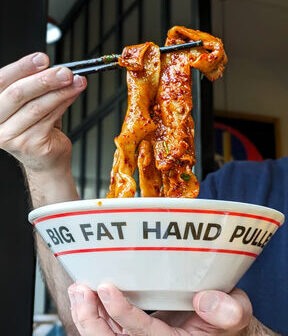
Photo credit: Wen Cheng
Photo credit: Wen Cheng
Author: Li May Loo
Limay is a freelance writer, a passionate storyteller, and a dedicated foodie who has spent the past 20 years living in China, with the last 12 years immersed in the rustic charm of the Dali countryside. A city girl at heart, she balances the quiet rhythm of rural life with a deep curiosity about people, places and flavours.