

Edible Beauty is Skincare’s Most Exciting New Frontier
As ingestible skincare blurs the line between the kitchen and the vanity, “edible beauty” and the inner beauty industry are becoming a global phenomenon.
27 June 2026
Share this exclusive content from Saladplate
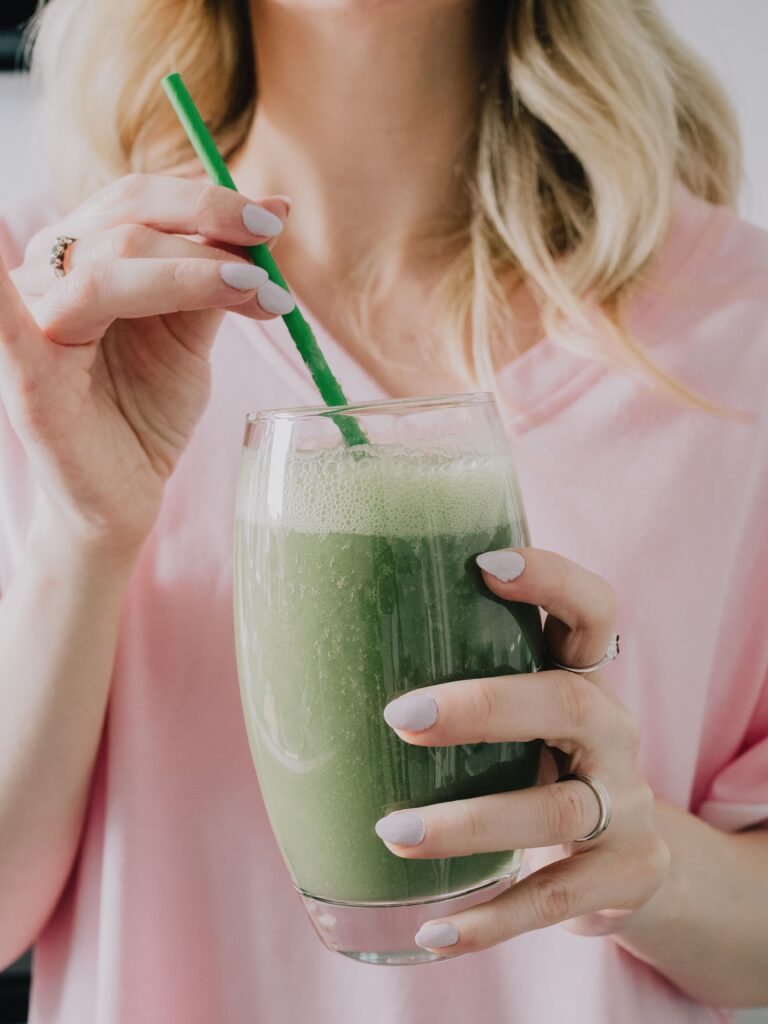
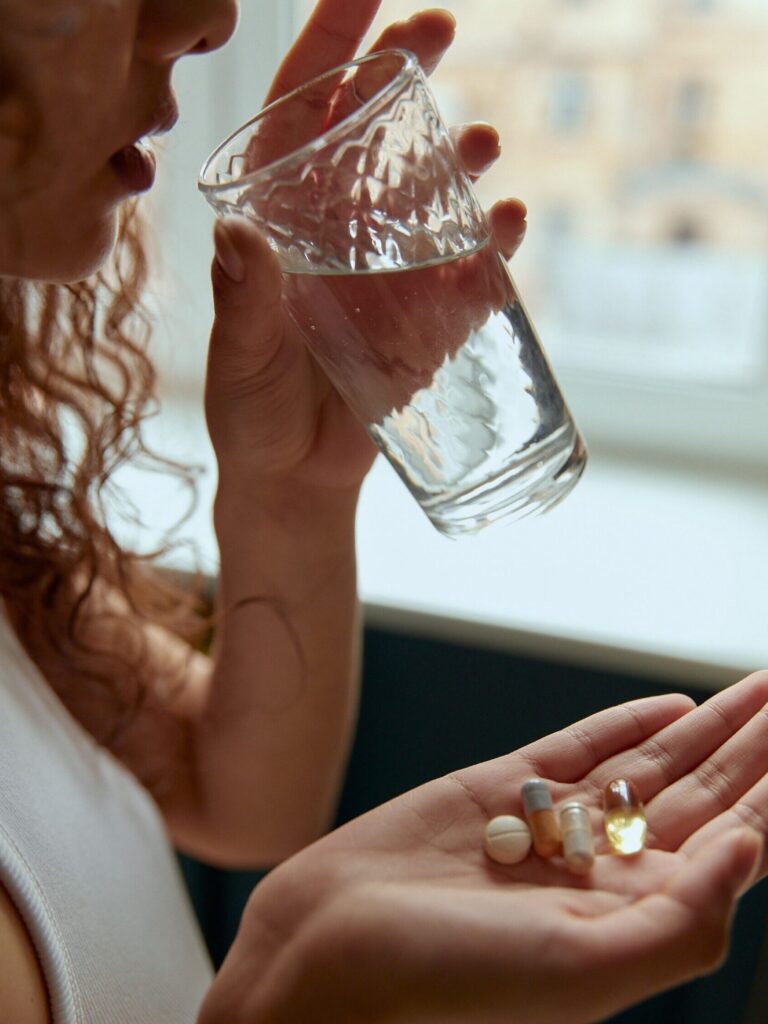
Both traditional and emerging brands are turning to nutricosmetics—ingestible supplements and functional foods designed to improve skin, hair and nail health from within | Photo credit: Pexels
While the skincare industry has always focused on skin-deep solutions, the global wellness trend has prompted an even deeper dive. Companies new and old have begun to focus on ‘nutricosmetics’, a category of skincare that refers to ingestible dietary supplements (or functional foods) to enhance health as well as the appearance of skin, hair and nails – from the inside out.
The “beauty-from-within” or nutricosmetics industry is growing, with more and more brands bridging the gap between nutrition and cosmetics. This is in part due to more research highlighting the connections among the digestive, immune, microbiome, and skin systems. It shows that nutrients can enter the bloodstream directly, resulting in better absorption and distribution. Globally, the market is estimated to be valued at USD 3.96 billion in 2025 and is expected to grow at a CAGR (compound annual growth rate) of 7.8% to reach USD 5.76 billion by 2030, according to Future Market Insights.
Where It All Began
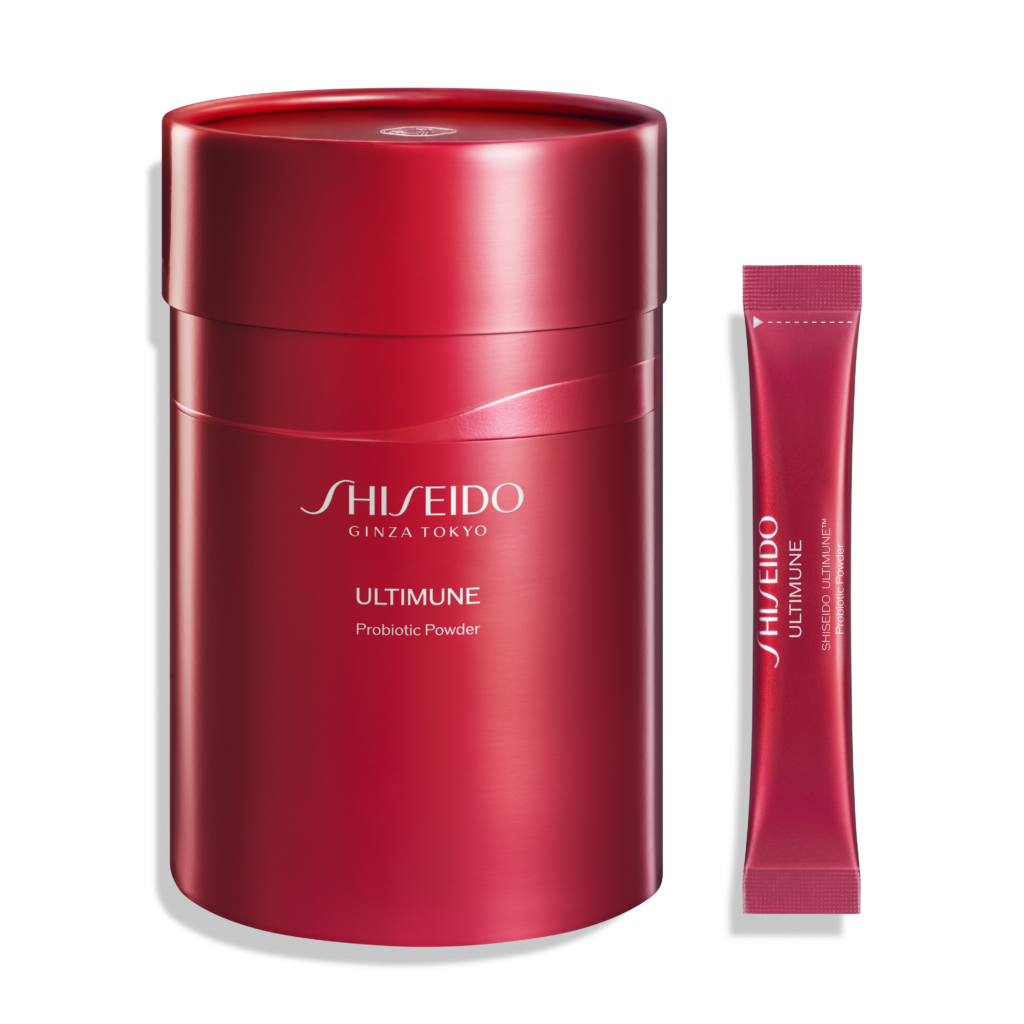
Japanese beauty brand Shiseido released their first collagen ingestible supplement in 1996
| Photo credit: Shiseido
Japanese beauty brand Shiseido released their first collagen ingestible supplement in 1996 | Photo credit: Shiseido
It’s generally accepted that Asia has been a leader in the nutricosmetics market, with ancient traditions in Japan, India and South Korea all advocating a general “beauty-from-within” mentality. Japanese beauty powerhouse Shiseido released their first collagen ingestible supplement as early as 1996. “The Collagen”, is currently sold as a drink, in tablet form and as a powder, and is the country’s number one collagen drink with 3.5 hundred million sold. Other brands including DHC and Pola Orbis also helped to popularise edible beauty in the last few decades. More recently in July 2024, Shiseido launched the Ultimune Probiotic Powder formulated to support skin barrier repair and radiance from within.
The rise of K-beauty then turned attention on to the Korean market, where Amorepacific, a leader in Korean beauty, joined the market with the launch of their brand Vital Beautie focusing solely on the “beauty from within” industry. Officially launched in 2002, Vital Beautie has become one of Korea’s leading inner beauty brands, valued at KRW 430 billion in 2022. Committed to science-backed products, it currently holds 463 valid patents, published 72 academic papers and won numerous awards locally and abroad. The brand can be found online in countries like Singapore, Japan, China and the United States where it’s sold on Amazon.
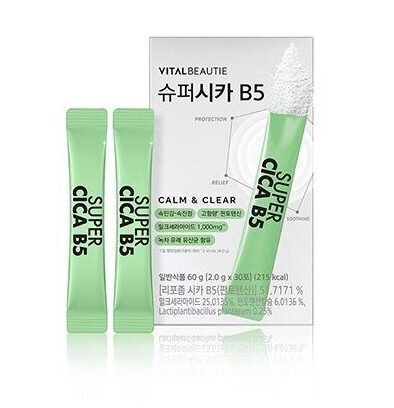
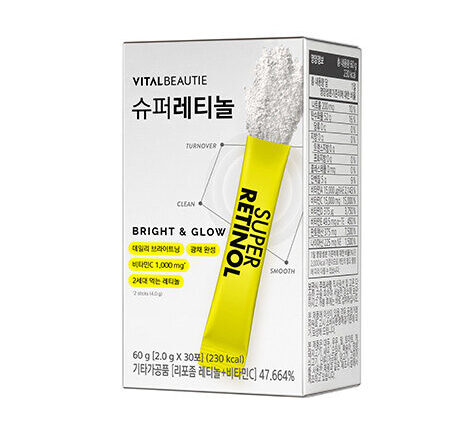
Vital Beautie has become one of Korea’s leading inner beauty brands with two or three hero products | Photo credit: Amorepacific
Two other notable Korean brands leading the edible beauty market are Cell Fusion C, whose supplements focus on sensitive skin and suncare, and BB Lab, whose jellies, liquids, films and powders cover a range of skincare concerns from brightening to collagen boosts. They also sell Olive Oil shots that support anti-oxidant and anti-inflammatory benefits and also should be noted that they have a collection product that is Halal-certified.
Growing New Markets: Southeast Asia and Beyond
For nutricosmetics companies, Southeast Asia is a prime market, with young, educated consumers who shop seamlessly on platforms like Shopee, Lazada and TikTok, which all play a significant role in driving growth for beauty brands in the region. The influence of Japanese, Korean and even Chinese beauty is also very strong in the region.

Geraldine Lim, director of Wellchem Pharmaceuticals in Singapore | Photo credit: Miriqa
Geraldine Lim, director of Wellchem Pharmaceuticals in Singapore | Photo credit: Miriqa
Geraldine Lim, director of Wellchem Pharmaceuticals in Singapore, has been making supplements under the company’s brand Miriqa since 2019. She notes how the market has evolved since they first started. “There is growing interest in longevity, wellness, and preventive care, both globally and regionally,” she says. “More people are focusing on maintaining their health proactively rather than waiting until treatment becomes necessary. I think this is a very positive shift because it reflects a greater awareness of the importance of long-term health and wellbeing.”


Miriqa’s supplements are distributed across Singapore, Hong Kong, Malaysia, Indonesia, Taiwan and the Philippines | Photo credit: Mirqa
According to Data Bridge Market Research, another growing region for inner beauty supplements is North America, which in 2024 had the industry’s largest revenue share of 90.05%. This has been driven by rising consumer interest in health-focused beauty products and dietary supplements as more people prioritise overall wellness alongside their appearances.
That same year, Nestle launched Nestle Vital, its own nutricosmetics line of drinks designed to help consumers age well. Said Serena Aboutboul, Head of Nestlé’s Nutrition Business. “The healthy longevity segment is experiencing particularly robust growth. With Nestlé Vital, we are responding to this fast-growing trend by combining decades of nutrition expertise with insights from multiple clinical studies to create great-tasting drinks that support people’s daily energy, sleep, and overall vitality needs. Our goal is to make healthy longevity a possibility for everyone.” The products currently include a morning drink to help with focus, energy and strength, and an evening drink for sleep, muscle mass and healthy skin.
Other brands of note include Vital Proteins, most well-known for their collagen supplements, as well as Moon Juice, which was founded in 2011 and focuses on adaptogens – roots, herbs and mushrooms that help the body adapt to physical, mental and environmental stressors. Their products range from hair and skin supplements, to stress management.
The Power of E-Commerce and Future Proofing the Industry
There is plenty of space in the nutricosmetics industry for growth but naturally there are challenges as well. Data Bridge Market Research notes that regulatory complexity poses a major challenge for the industry as nutricosmetics often fall between dietary supplements and cosmetics. There is also a lack of global regulatory harmonisation which can create a hurdle for brands aiming for an international market.
On the consumer side, there is reason to be cautious as well. “While many ingredients are heavily marketed, not all are supported by strong scientific evidence,” says Geraldine of WellChem Pharmaceuticals. “One of the most important factors to consider is dosage. If clinical studies demonstrate benefits at 500mg per day, but a product contains only 20mg, the ingredient may have been included primarily for marketing purposes rather than efficacy.”
Nevertheless, it will be consumer interest that continues to encourage the industry to evolve and innovate. “Some of the ingredients generating significant interest right now include NAD+ precursors such as NMN, as well as creatine,” says Geraldine. “We are also seeing growing interest in ingredients that support gut health, including postbiotics, as consumers become more aware of the connection between gut health, immunity, skin health, brain health and overall wellbeing.”


Wellness and supplement brand, Lemme (founded in 2022), centres on women’s health with a beauty-led focus on hair, gut health and skin support | Photo credit: Lemme
Notably, creatine is also part of the latest range in Kourtney Kardashian’s wellness and supplement brand. Founded in 2022, Lemme focuses on women’s health with a beauty focus on hair, gut and skin smoothening. Lemme is just one example of a brand that leverages e-commerce platforms (in this case, iHerb) in order to reach a more global audience.
According to Growth Market Reports “the proliferation of e-commerce platforms and direct-to-consumer (DTC) brands has made nutricosmetic products more accessible to a global audience. Social media influencers and digital marketing campaigns are raising awareness about the benefits of beauty supplements, particularly among younger demographics who are more receptive to new wellness trends.” As an example, Olive Young, Amazon and Sephora all feature Korean brands that may not have a storefront presence in the US.

Even a mainstream food brand like Nestle has launched Nestle Vital, its own nutricosmetics line of drinks designed to help consumers age well | Photo Credit: Nestle
Even a mainstream food brand like Nestle has launched Nestle Vital, its own nutricosmetics line of drinks designed to help consumers age well | Photo Credit: Nestle
As the market continues to grow and expand, with Europe being another growing market, successful brands will continue to leverage on research, clinical studies and doctor-backed products. “The future of the industry will belong to brands that prioritise transparency, quality, and science,” says Geraldine. “And to consumers who take the time to make informed decisions about their health and wellness.”
Author: Karen Fong
Karen Fong is a Singapore-based writer and editor who has previously spent time in Hong Kong, Shanghai and Canada. She writes parenting, lifestyle and travel content and has worked with publications including The Singapore Women’s Weekly, DestinAsian, Travel+Leisure Southeast Asia and Prestige Hong Kong.