

How Global Supply-Chain Disruptions
Are Rewriting Restaurant Menus
As geopolitical tensions, rising freight costs and shipping disruptions make imported ingredients harder to source, chefs across Asia and the Middle East are rethinking how menus are built. From local substitutions to more flexible sourcing, the next evolution of fine dining may be shaped as much by what can be reliably sourced as by what chefs want to serve.
21 October 2026
Share this exclusive content from Saladplate
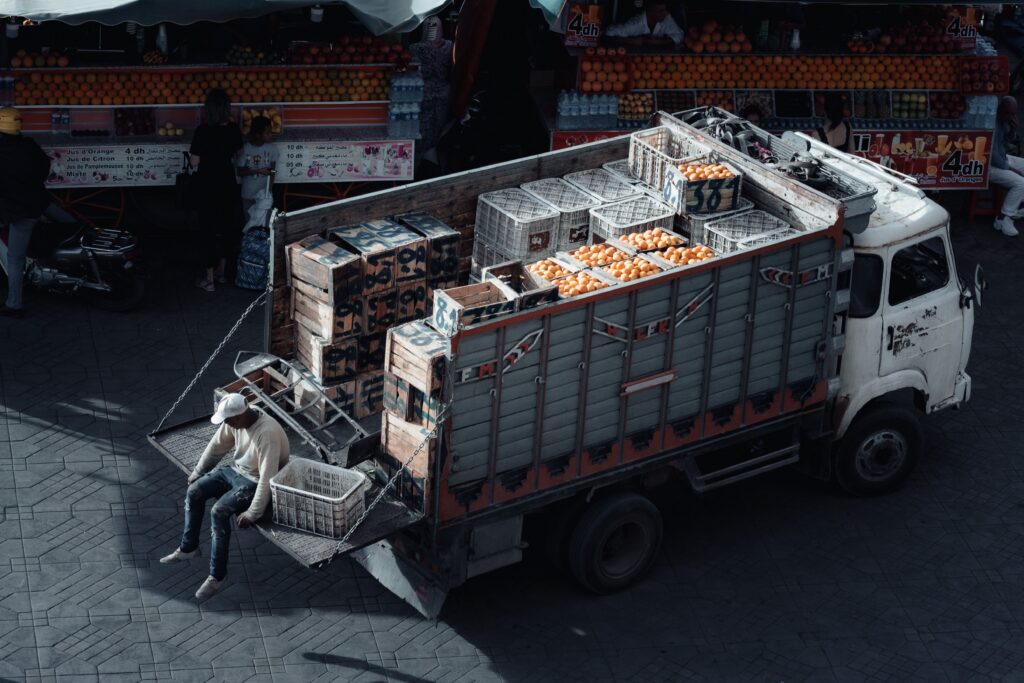
Disrupted Shipping Routes Are Changing What Chefs Serve | Photo credit: Pexels
Disrupted shipping routes are changing what chefs serve | Photo credit: Pexels
Long before a tasting menu reaches the table, many of its ingredients have already travelled thousands of kilometres. A scallop may come from Norway, seafood from Japan, cheese from France and a tomatillo from Mexico. For years, increasingly sophisticated global logistics allowed restaurants to build menus around ingredients from almost anywhere in the world.
But sourcing ingredients from across the world is becoming less predictable. Wars and geopolitical tensions, disrupted shipping routes, rising freight costs and climate-related production pressures are making some ingredients slower, more expensive or simply less predictable to obtain. For chefs, particularly those working with highly specific premium produce, the question is no longer only what they want to cook. It is also what they can reliably get.
When Global Sourcing Becomes Uncertain
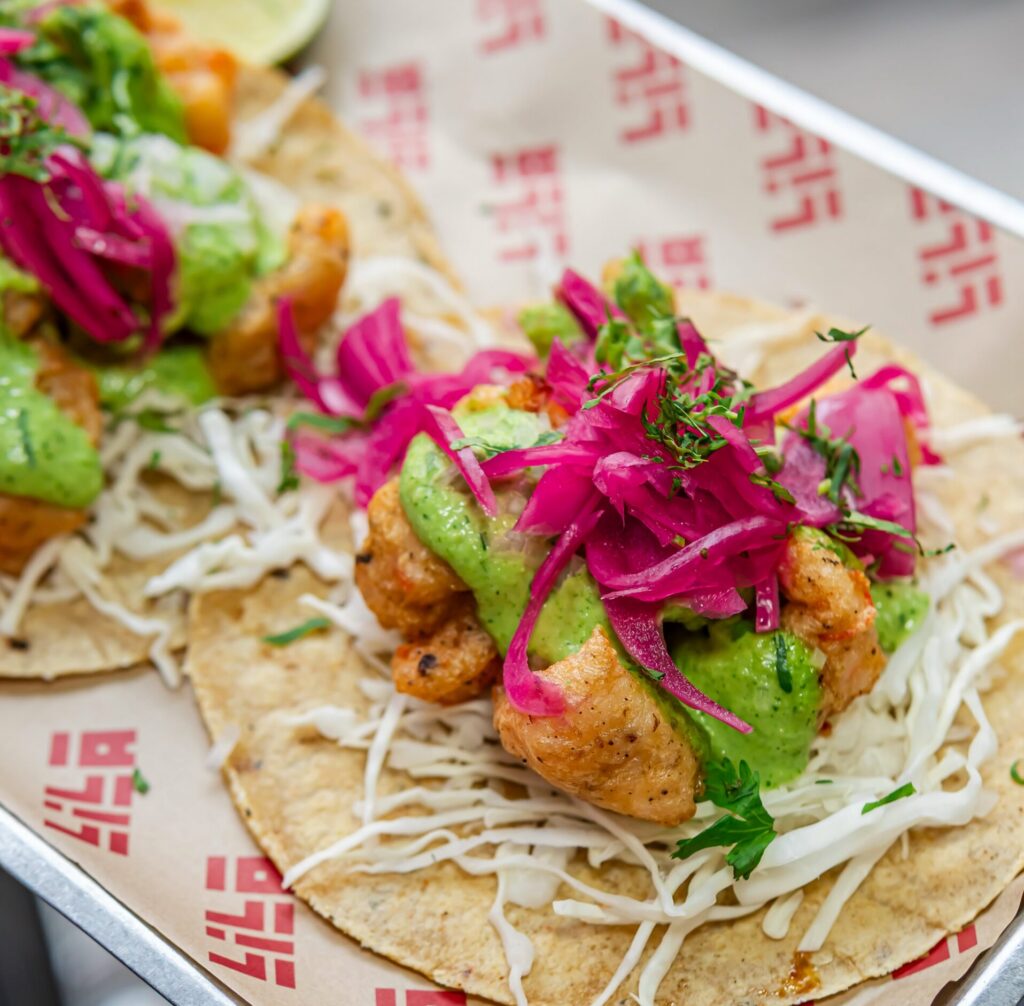
Freshly Made Tacos | Photo credit: Lila Molino
Freshly Made Tacos | Photo credit: Lila Molino
At Mexican restaurant Lila Molino in Dubai, chef Shaw Lash relies on imported avocados and tomatillos for many of her dishes. As shipping disruptions drove up fuel and freight costs, sourcing those ingredients became increasingly difficult.
“The reality is cargo has gotten more expensive, gas prices have gone up, the Strait of Hormuz is still blocked,” Lash shares. “This is really creating a problem for us as far as our supply,” Lash responded by scaling back production, buying ingredients in smaller quantities, and exploring alternative revenue streams.

Chef Kelvin Cheung | Photo credit: Jun’s
Silver beef wagon | Photo credit: Raffles Singapore
Chef Kelvin Cheung | Photo credit: Jun’s
At Jun’s Dubai, chef Kelvin Cheung faced a similar dilemma with imported seafood. To secure perishable products such as Norwegian scallops and certain Japanese seafood, he turned to air freight, which he said could increase costs by around 30 to 35%.
Rather than simply absorbing the increase, Cheung turned to local fish. “You have to adapt,” he says, explaining that the restaurant had introduced a six-course menu using locally sourced ingredients.
The shift points to a broader change taking place across restaurant kitchens. As global supply chains become less predictable, chefs are being forced to build greater flexibility into what they serve.
And the challenge is not confined to the Middle East. In Singapore, where more than 90% of food is imported, the issue is often less about ingredients disappearing altogether than whether they can be secured consistently, in the right specification and at a commercially viable price.
“The biggest change is not necessarily that products have become permanently unavailable, but that consistency and predictability of supply have become more challenging,” says Ynyr Jones, Deputy General Manager of Classic Fine Foods.
The specialist distributor supplies premium ingredients to restaurants and hospitality businesses, bridging international producers and chefs planning menus around their products.
According to Jones, products with narrow production windows or highly specific origins are particularly exposed, including seasonal produce, selected seafood, premium meat cuts, dairy, cheese, and artisanal products.

Freshly Made Feta Cheese | Photo credit: Pexels
Freshly Made Feta Cheese | Photo credit: Pexels
For a fine-dining chef, availability can be more complicated than simply finding a scallop or a particular cheese. It can mean securing the right producer, origin, size, maturity and specification consistently.
From Global Pantry to Regional Kitchen
Substitution is hardly new to restaurant kitchens. Seasonality has always required chefs to adjust. What has changed is the number of variables now influencing those decisions.
When sea-freight schedules become unreliable, importers may have to order earlier, hold additional stock, change shipping routes or move time-sensitive products by air. But air freight can dramatically alter the economics and environmental footprint of an ingredient.
That uncertainty is beginning to shape decisions much earlier in the creative process. At Raffles Sentosa Singapore, Cluster Director of Culinary Bjoern Alexander says reliability now sits alongside quality and seasonality when menus are developed.

Stir-fried Egg White, Grouper in Golden Cup | Photo credit: Raffles Sentosa Singapore
Stir-fried Egg White, Grouper in Golden Cup | Photo credit: Raffles Sentosa Singapore
That thinking has translated into seasonal menus. At Royal China, Executive Chinese Chef Ling Heng Yao previously created a limited-time menu spotlighting produce sourced from Singapore’s farms and suppliers, incorporating locally grown greens, seafood, mushrooms and dairy into his dishes. Elsewhere at the resort, Le Jardin’s plant-based menu draws on local produce such as heirloom tomatoes, beetroot and tofu, as well as herbs grown in the resort’s own garden.
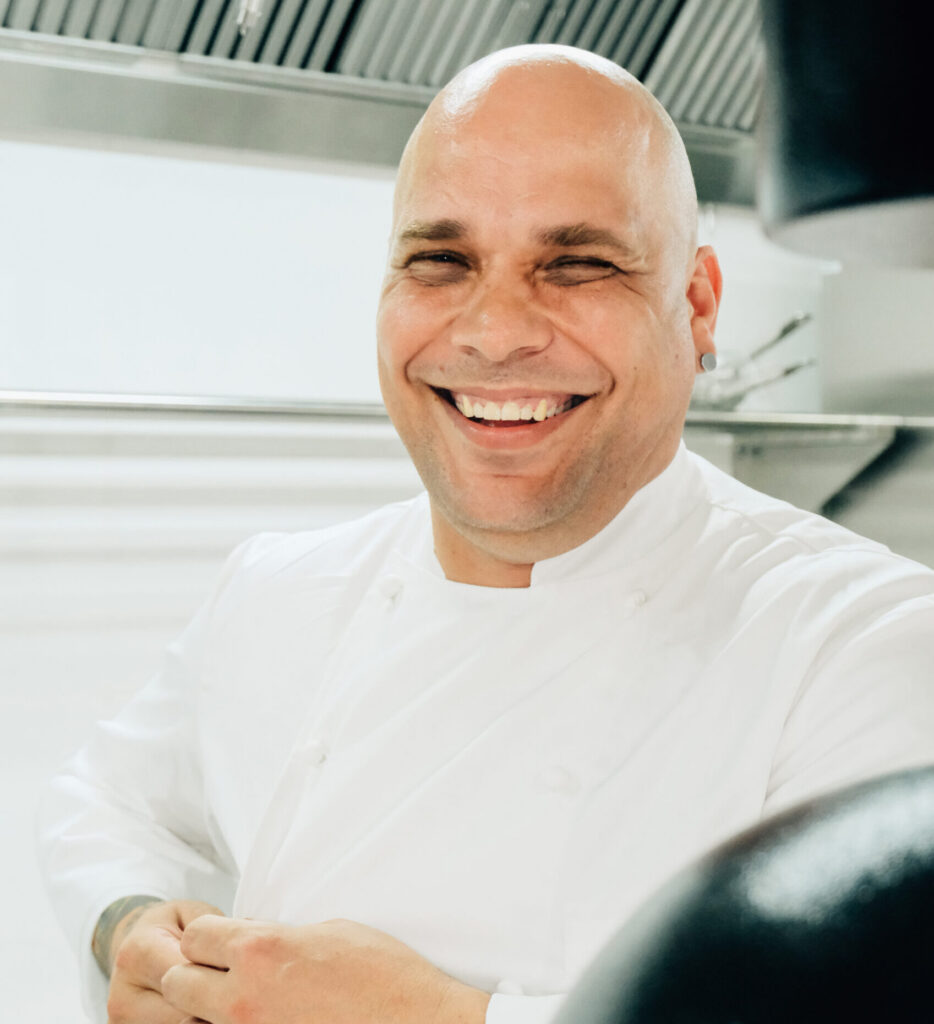
Cluster Director of Culinary Bjoern Alexander | Photo credit: Raffles Sentosa Singapore
Cluster Director of Culinary Bjoern Alexander | Photo credit: Raffles Sentosa Singapore
For Alexander, however, greater reliance on what is available closer to home does not mean turning away from the global pantry.
“I don’t think the future is about eliminating imported ingredients,” Alexander says. “Singapore is an international culinary destination, and access to ingredients from around the world is an important part of what makes our dining scene so exciting.”
Instead, the shift may be towards a more flexible global pantry, one in which chefs remain open to changing origins, varieties or individual components when circumstances demand it.
Adaptation, Not Substitution
For top restaurants, however, replacing one ingredient with another is rarely as simple as finding the nearest equivalent. Jones describes what Classic Fine Foods is seeing as adaptation rather than substitution.
If a particular product is unavailable, the conversation may move towards another cut from the same producer, a cheese with a similar technical profile, a different seasonal variety or an alternative origin capable of delivering the same characteristics.
Chefs may also change a garnish or supporting component rather than compromise the ingredient at the centre of a dish. That distinction matters in fine dining, where provenance, texture and flavour can be integral to a restaurant’s identity.
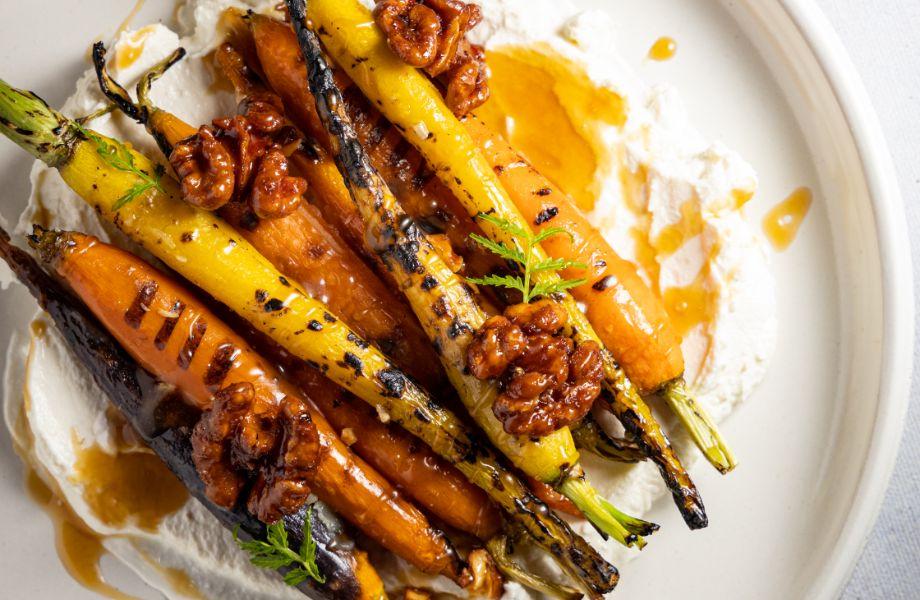
Seasonal Carrots and Walnuts | Photo credit: Jun’s
Seasonal Carrots and Walnuts | Photo credit: Jun’s
It also points towards a broader shift in menu engineering. “There is therefore a growing conversation around ‘Can I build this dish consistently?’, not only ‘Is this the best ingredient for the dish?’” Jones says.
Supply-chain resilience, in other words, is becoming another creative constraint, alongside flavour, seasonality, food cost and kitchen execution.
When Local Becomes Part of the Creative Process
That does not necessarily mean local ingredients are merely emergency replacements for imported ones. For some chefs, disruption can become the catalyst for looking more closely at what is available nearby.
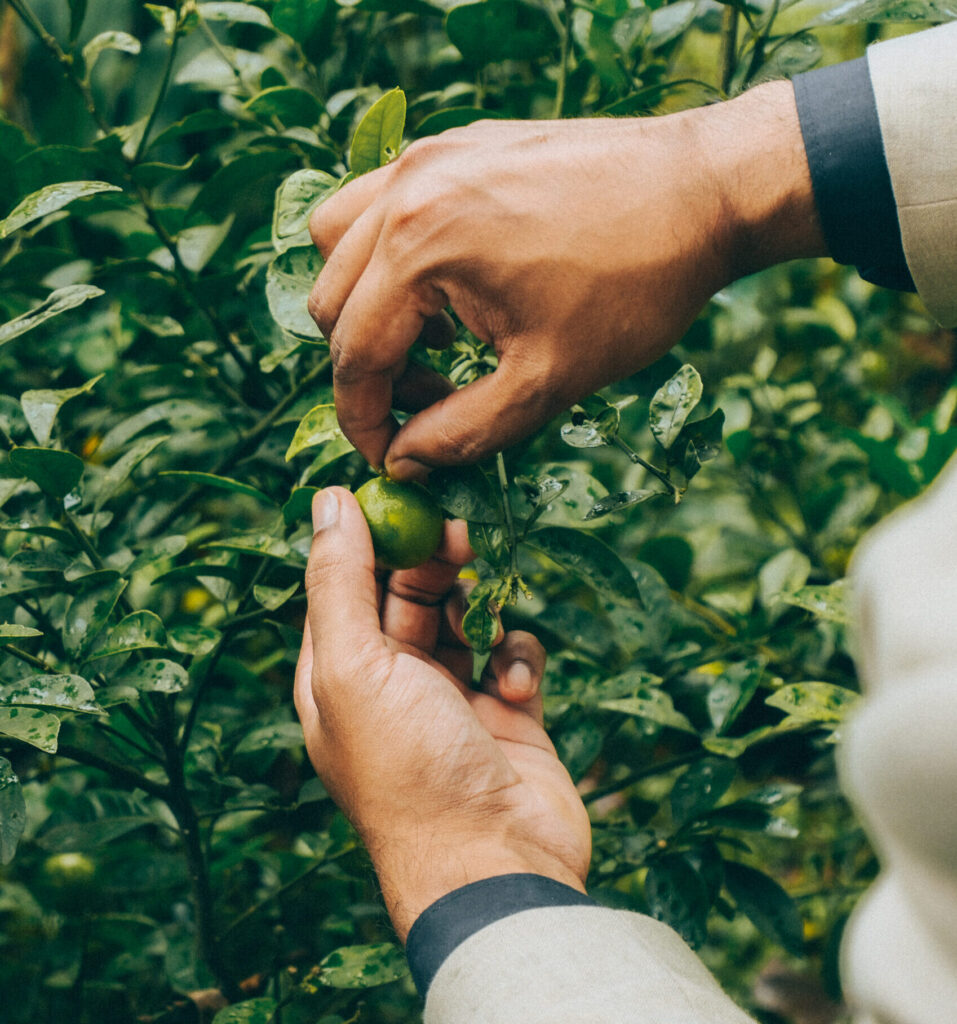
Raffles Sentosa Singapore’s Edible Garden | Photo credit: Raffles Sentosa Singapore
Raffles Sentosa Singapore’s Edible Garden | Photo credit: Raffles Sentosa Singapore
“Sometimes a supply-chain challenge can make you look at an ingredient differently,” Alexander says. “You may discover a local producer or a regional ingredient that you would not otherwise have considered, and that can lead to an entirely new dish.”
This is particularly relevant in Asia, where chefs have access to an enormous diversity of regional produce, seafood, spices and culinary traditions. Rather than asking how a local ingredient can imitate an imported one, chefs can ask a more interesting question: what can this ingredient do that the original cannot?
That distinction could ultimately influence the way restaurants talk about local sourcing. Instead of positioning it solely as a sustainability measure, proximity can also offer practical advantages, shorter lead times, greater flexibility and potentially closer relationships with the people producing the food.
The Supplier Becomes Part of the Kitchen
Perhaps one of the less visible consequences of supply-chain volatility is the changing relationship between chef and supplier. In a predictable system, the exchange can be relatively transactional: the chef orders an ingredient and the distributor delivers it. When availability becomes uncertain, that relationship changes.
“Our role is no longer simply to say whether an SKU is in stock, but to understand what function that ingredient performs in the dish and propose a credible alternative when necessary,” Jones says.
Classic Fine Foods is also seeing chefs involve suppliers earlier when planning events, festive menus, large-volume orders or dishes built around highly specialised ingredients. That allows distributors to reserve quantities, speak with producers, consolidate demand or flag potential logistical constraints before a menu reaches the dining room.
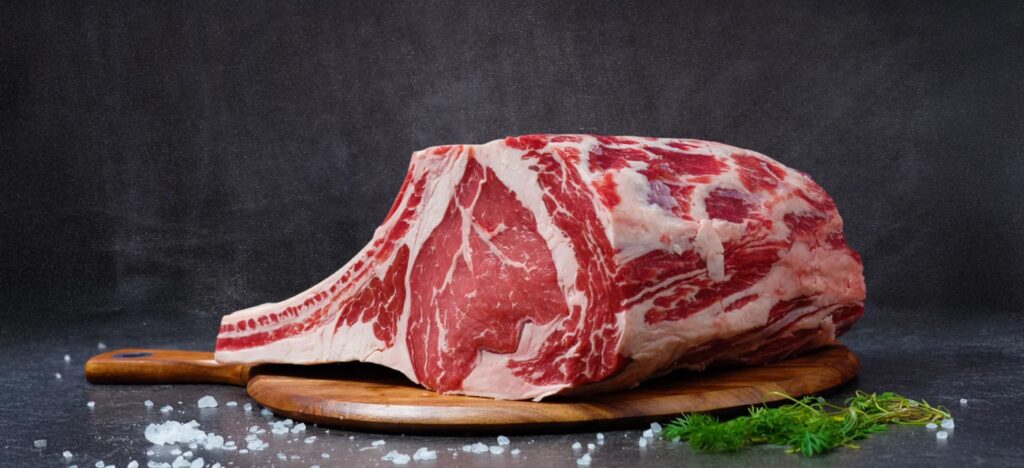
Supply-chain volatility is the changing relationship between chef and supplier | Photo credit: Pexels
Supply-chain volatility is the changing relationship between chef and supplier | Photo credit: Pexels
The supplier, in effect, becomes part of the restaurant’s culinary intelligence network. And the information moving through the supply chain, for instance, what is in season, what is delayed, what another producer can offer, can become almost as important as the physical ingredient itself.
A More Fluid Menu
This could eventually change the architecture of the menu itself. Restaurants that build long tasting menus around numerous highly specific imported ingredients leave themselves more exposed when one component becomes unavailable. Shorter menus, more frequently changing dishes and greater flexibility around individual components can give kitchens room to respond.
The shift does not necessarily mean abandoning precision. It may instead mean designing dishes around a flavour profile, technique or idea rather than making their identity dependent on a single ingredient from a single source.
There are limits, of course. Certain products carry cultural, geographic or technical qualities that cannot simply be replaced without changing the dish altogether. A restaurant built around a particular culinary tradition cannot substitute indefinitely without eventually losing part of what makes its food distinctive.
That tension, between adaptability and authenticity, may become one of the more interesting challenges for chefs.
Rethinking What “Seasonal” Means
For decades, seasonality in fine dining has largely referred to nature: asparagus in spring, tomatoes in summer, truffles in autumn. But a new kind of seasonality may be emerging, shaped not only by what farms produce but by what global supply chains can deliver.
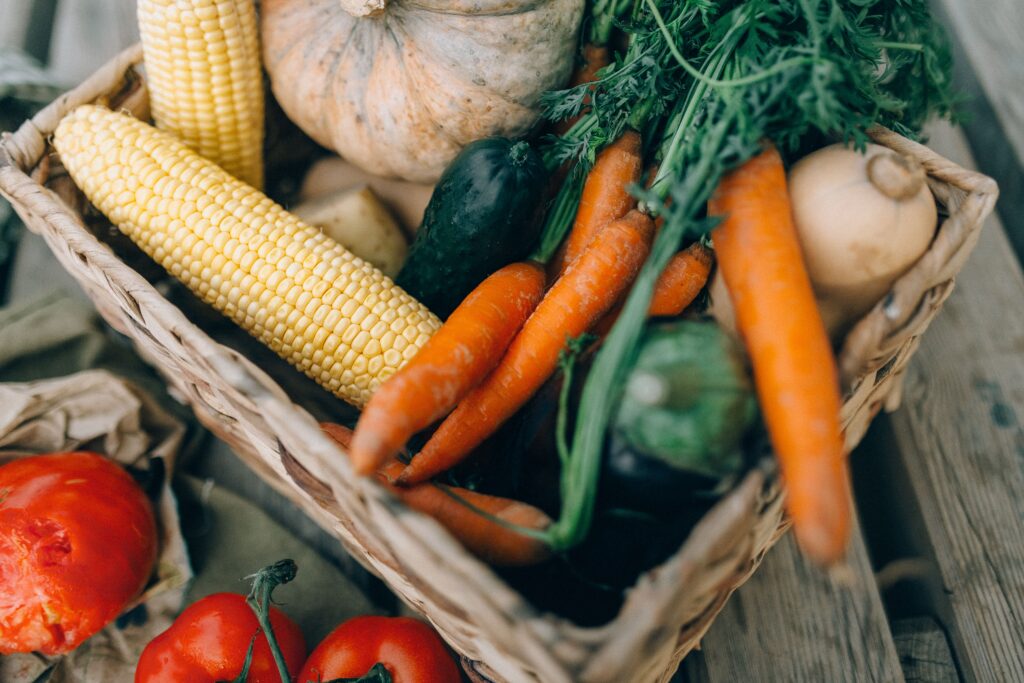
Fresh Produce | Photo credit: Pexels
Fresh produce | Photo credit: Pexels
An ingredient may technically be in season in Europe but commercially impractical in Singapore because freight rates have surged. Seafood may be available at the source but delayed by a disrupted shipping route. A chef may be able to obtain an ingredient, but not consistently enough to promise it across an entire menu cycle. The result is a more complex definition of availability.
Jones expects some of the sourcing behaviours developed during recent disruptions to remain even when individual crises pass. The cause may change, freight one year, climate or geopolitical instability the next, but the lesson is the same: supply chains cannot always be taken for granted.
For restaurants, the answer is unlikely to be choosing between imported and local ingredients. It may instead be what Jones describes as a balance between provenance and resilience: preserving a dish’s quality and identity while building enough flexibility into its sourcing to serve it consistently.
The Menu of the Future May Be Less Predictable
Fine dining has always celebrated control: precise techniques, carefully constructed dishes and menus planned down to the smallest detail. The supply chain is introducing an element that chefs cannot entirely control.
But constraint was never new to cooking. Seasonality, geography, scarcity, these shaped cuisine for centuries; frictionless global sourcing just made them less visible. Now they’re returning to the plate, and the irony is that a crisis in logistics could make dining more local, more responsive to place.
The next great menu may not start with “what ingredient do I want?” but “what can I get, and what can I create with it?” As supply chains grow harder to predict, that adaptability may matter as much to a restaurant’s success as the chef’s creativity itself.
Author: Michelle Yee
A content and communications professional, Michelle spent more than a decade creating content for several leading media titles including Lonely Planet Asia, Yahoo Singapore, Wine & Dine. After leaving the media industry in 2019, she has been honing her craft at a global communications agency where she helps develop and drive publicity campaigns for brands in the consumer and corporate sector.