

How To Be an Eco-Tourist at
These Luxury Hotels in APAC
Across Asia-Pacific, luxury properties are proving that serious conservation programming has become one of hospitality’s sharpest commercial differentiators, and travellers are here for it.
23 August 2026
Share this exclusive content from Saladplate
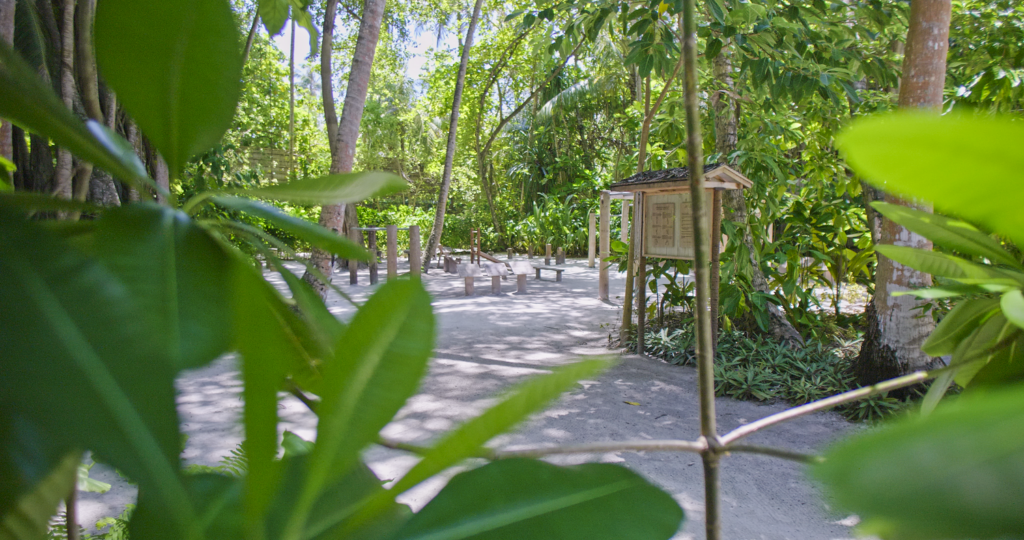
A resort’s eco practices are no longer relegated to behind-the-scenes activities | Photo credit: Amilla Maldives
A resort’s eco practices are no longer relegated to behind-the-scenes activities | Photo credit: Amilla Maldives
The luxury travel market is changing.
Where “eco-tourism” was once a niche offering, it is now becoming something almost expected. Travellers who want to know that their carbon footprint is either being offset or that their stay is in some way giving back to the environment.
This shift has been noticed by Mark Wong, Senior Vice President, Asia Pacific – Small Luxury Hotels of the World (a curated collection of over 700 independent boutique hotels across the globe). “This used to be something that happened behind the scenes as it was not a “sexy” topic,” he says. “Only in the last decade, we’ve seen sustainability become much more tangible for travellers, such as removing single-use plastics, implementing recycling bins and laundry incentives to discourage daily changing of bed linens and towels.”
But expectations are now going beyond that. Travellers want to take part meaningfully. For SLH, this meant putting together a group of hotels that were sustainable, community-minded and eco-conscious. Launched in 2021, the Considerate Collection features hotels which are GSTC-recognised (Global Sustainability Tourism Council). “Guests want to participate, not just be told a hotel is ‘doing the right thing,” says Wong. “The point is that sustainability becomes something that can be participatory, felt, and experienced collectively.” SLH’s Considerate Collection started with 25 members and, over the last five years, has grown to include over 80 hotels. “Where our member hotels sit near protected areas or high-biodiversity zones, guests can participate in the conservation work that the property has already been doing,” says Wong. At their member hotels, activities guests can participate in include coral reef protection, ocean conservation projects, tree reforestation and wildlife rewilding.

Shark Release | Photo credit: JW Marriott Khao Lak Resort and Spa
Shark Release | Photo credit: JW Marriott Khao Lak Resort and Spa
JW Marriott Khao Lak Resort and Spa, which runs a live nursery for endangered bamboo sharks, believes their strong eco-conscious directives are one of the reasons guests book with it. “We’re increasingly seeing sustainability-minded travellers actively seek us out,” says Johanna Staib, Director of Experiences. “While it’s difficult to isolate sustainability as the sole driver of a booking, it’s become a consistent theme in guest enquiries and pre-arrival questions, and it clearly shapes how guests choose to spend their time once they’re here.”
Wong agrees with this. “We are seeing real signals from those seeking more personal and intentional stays, particularly with seasoned luxury travellers and a new generation of affluent adventure seekers. It is less common for someone to book purely because a hotel is GSTC-recognised, but it is increasingly a deciding factor between two otherwise similar properties.”
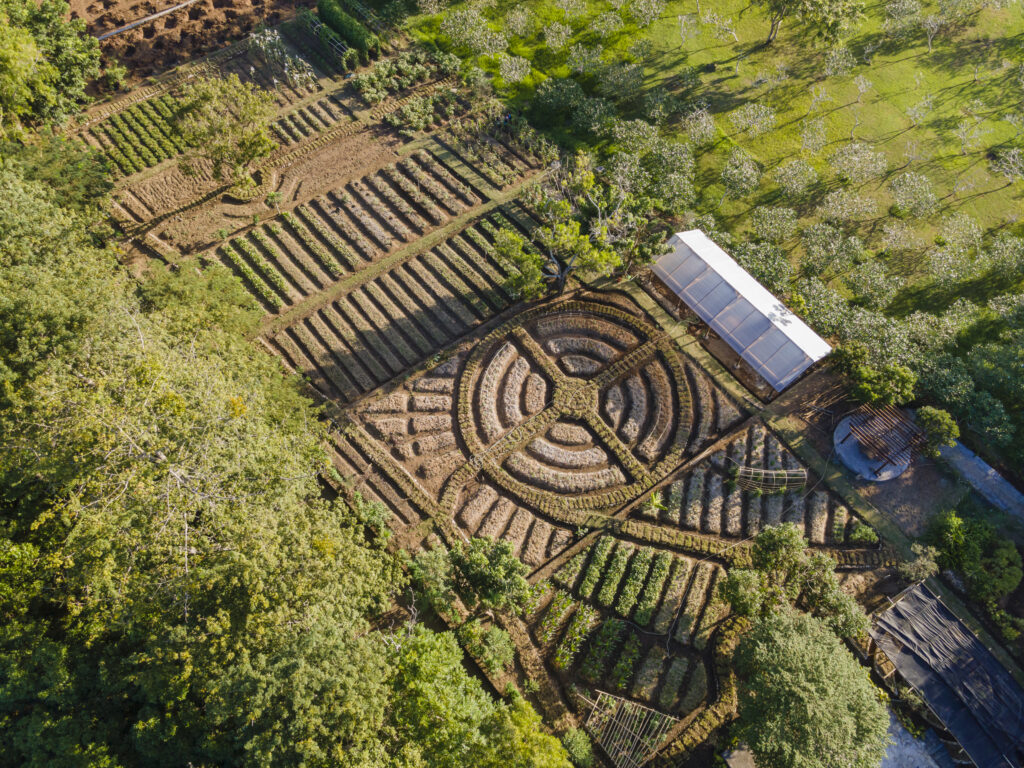
An aerial view of Ayana Bali’s farm | Photo credit: Ayana Resort, Bali
An aerial view of Ayana Bali’s farm | Photo credit: Ayana Resort, Bali
Ayana Bali in Jimbaran, which was recently recognised at the ASEAN Green Hotel Awards 2026-2028, believes that sustainability measures also help guests explore the hotel’s culture and environment more. “The aim is to connect environmental management with experiences rooted in nature, food and Balinese culture. The resort also works with suppliers, artists, cultural groups, schools, waste-management partners and social enterprises in different parts of Bali,” says Michi Sonoda, Executive Assistant Manager, Sales & Marketing AYANA Hospitality. “Rather than asking guests to accept a broad promise of ‘giving back,’ we believe the more credible approach is to communicate specific actions, report measurable progress and acknowledge where further improvement is needed.”
Joining The Gang
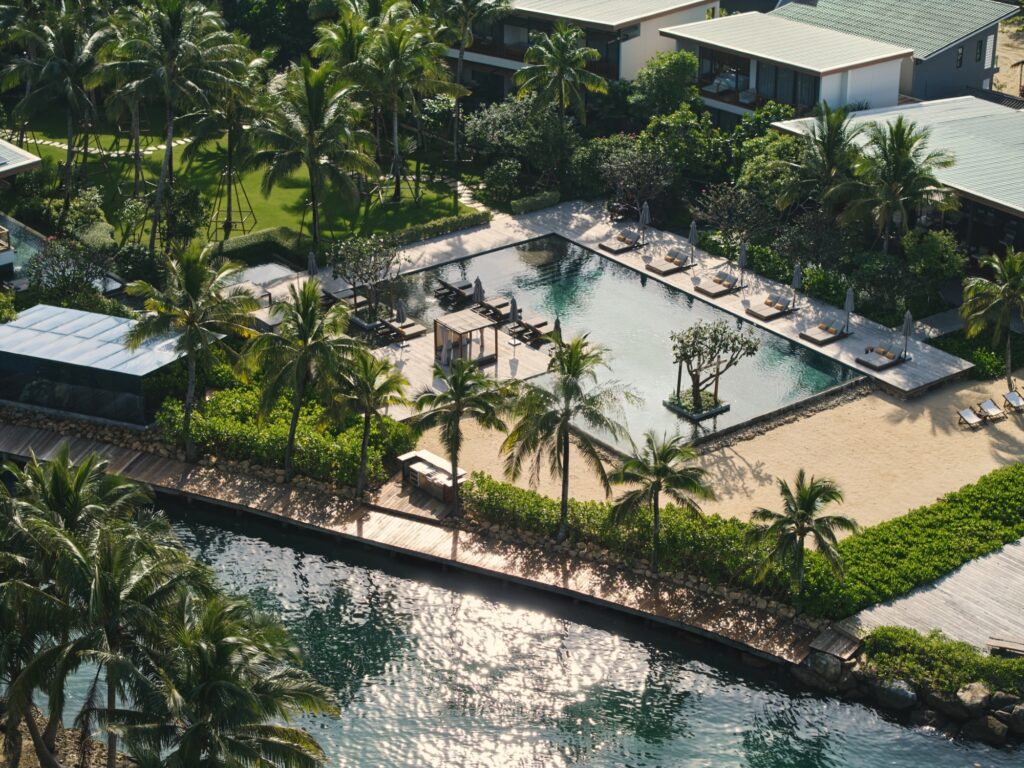
The Retreat is located within the Koh Chang National Park | Photo credit: The Retreat Koh Chang
The Retreat is located within the Koh Chang National Park | Photo credit: The Retreat Koh Chang
Last year, The Retreat Koh Chang joined SLH’s Considerate Collection collection. Located in the beautiful Koh Chang National Park, it’s committed to the island’s marine life as well as the restoration of the Tien Thale tree population. Guests can contribute to the replanting efforts and visit their organic farm to learn about sustainable growing practices.
At EarthCheck Silver-certified Amilla Maldives, guests can take part in coral propagation projects as well as a bird breeding programme for the endangered Long Tail Tropic. Sustainability is also woven into the resort, with complimentary bicycles, electric golf buggies, an outdoor zero-power gym, and a 3km walking trail. The island where the resort is located retains 70 per cent of its natural vegetation and is covered with over 2,500 coconut trees. All drinking water is created using reverse osmosis (desalination), eliminating the need for plastic bottles, and bathroom products are 100 per cent organic and biodegradable.
Baby Sharks do-do-do-do-do-do
Located north of hot spot Phuket, the JW Marriott Khao Lak’s Bamboo Shark Nursery and Conservation Centre sits on-site right next to its expansive pool. There, a trained team and marine biologists educate guests, both young and old, about how endangered bamboo sharks are cared for from egg to juvenile stage. Guests learn how the eggs are ethically sourced, why the sharks are listed Near Threatened and the role they play in the area’s biodiversity. Young sharks are also released into the Andaman Sea right from the beach of the resort.
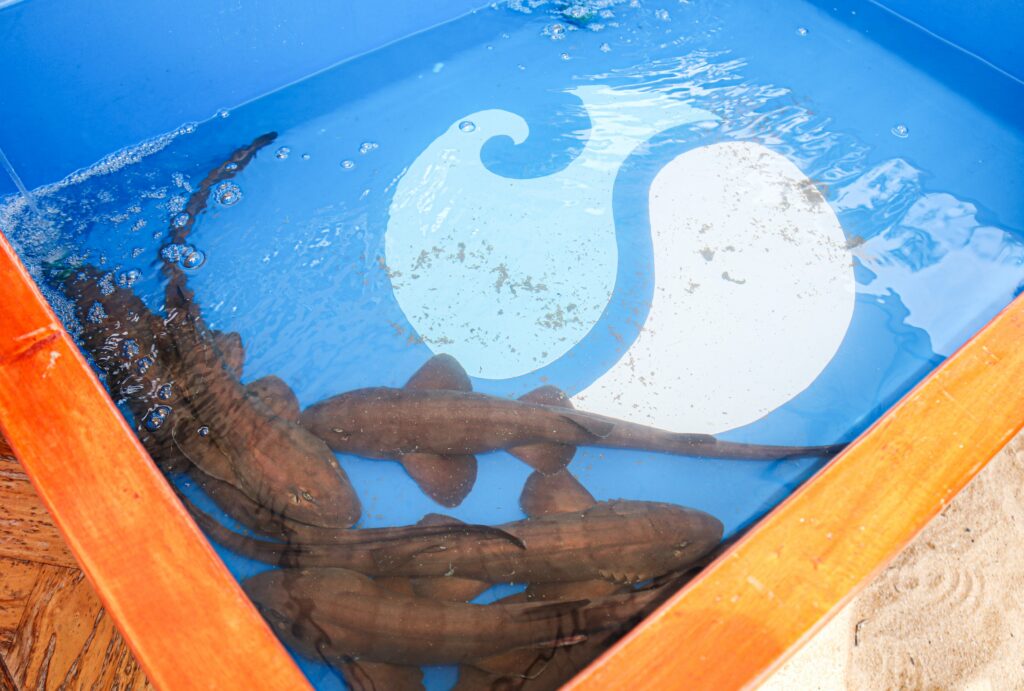
Juvenile sharks house at the nursery | Photo credit: JW Marriott Khao Lak Resort & Spa
Juvenile sharks house at the nursery | Photo credit: JW Marriott Khao Lak Resort & Spa
“The Bamboo Shark Nursery is by far our most popular sustainability experience, drawing around 50 participants daily and often reaching full capacity, particularly during family sessions,” says Staib. She believes guests come away with a real understanding of the role sharks play in maintaining a healthy marine ecosystem. “Many are surprised to learn how closely shark conservation is tied to the health of coral reefs. It’s also common for guests to realise that sharks are far more threatened by humans than humans are by sharks. Seeing the baby bamboo sharks up close tends to create a strong emotional connection to marine conservation, especially for families and children.”
Since it opened in 2023, the centre has seen over 35,000 visitors. It has also released over 70 bamboo sharks back into the wild. But for Staib, the real takeaway is guest education. “If even a fraction of those guests carry that awareness home with them and share it further, the ripple effect far outweighs what we can achieve through the physical releases alone. We see the same principle at play with our work on Nipa Palm mangroves, where educating guests about the ecosystem’s role has a reach well beyond the resort itself.”

Snorkelling with manta rays in the Maldives | Photo credit: Amilla Maldives
Snorkelling with manta rays in the Maldives | Photo credit: Amilla Maldives
Gardens Of Life
Ayana Bali, which features four hotels across its 90 hectares, has sustainability measures woven into its infrastructure, from wastewater recycling to reductions in single-use plastics. These initiatives earned it the ASEAN Green Hotel Awards 2026-2028.
Beyond that, guests can get involved in the resort’s green spaces, such as Tevana Garden, where tropical plants grow, and the Ayana Farm, which supplies herbs, fruits, vegetables, and edible flowers to the restaurants across the property. Guests can go on guided tours that explain organic farming, biodiversity and composting, learn about chemical-free cultivation and the resort’s recycling and circular agriculture practices and see over 130 varieties of fruits, vegetables, herbs and flowers grown on site. Our experiences give guests opportunities to explore how food is grown at AYANA Farm, participate in environmental learning and connect more closely with Bali’s natural surroundings and living culture,” says Shinoda.
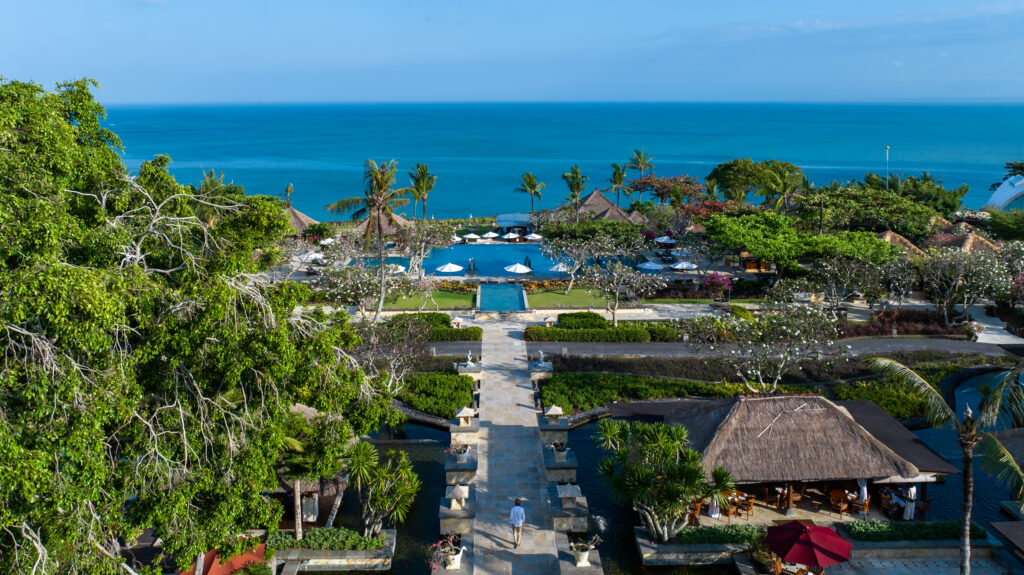
Spanning 90 hectares, Ayana Bali has sustainability woven into the fabric of its infrastructure | Photo credit: Ayana Bali
Spanning 90 hectares, Ayana Bali has sustainability woven into the fabric of its infrastructure | Photo credit: Ayana Bali
The resort also starts sustainability young, with its littlest guests who can enrol in Green Camp and learn about environmental stewardship, waste reduction and resource conservation. It emphasises outdoor learning through play and nature.
Shinoda stresses that sustainability is rooted in preserving the island’s living culture. “Our ambition is to contribute to a regenerative destination that protects biodiversity, supports communities across Bali.” She calls it Tri Hita Karana, the idea of harmony among people, nature and spirituality. “By connecting environmental responsibility with cultural stewardship and community relationships, we aim to create value beyond the guest stay and contribute to a lasting positive impact for future generations.”
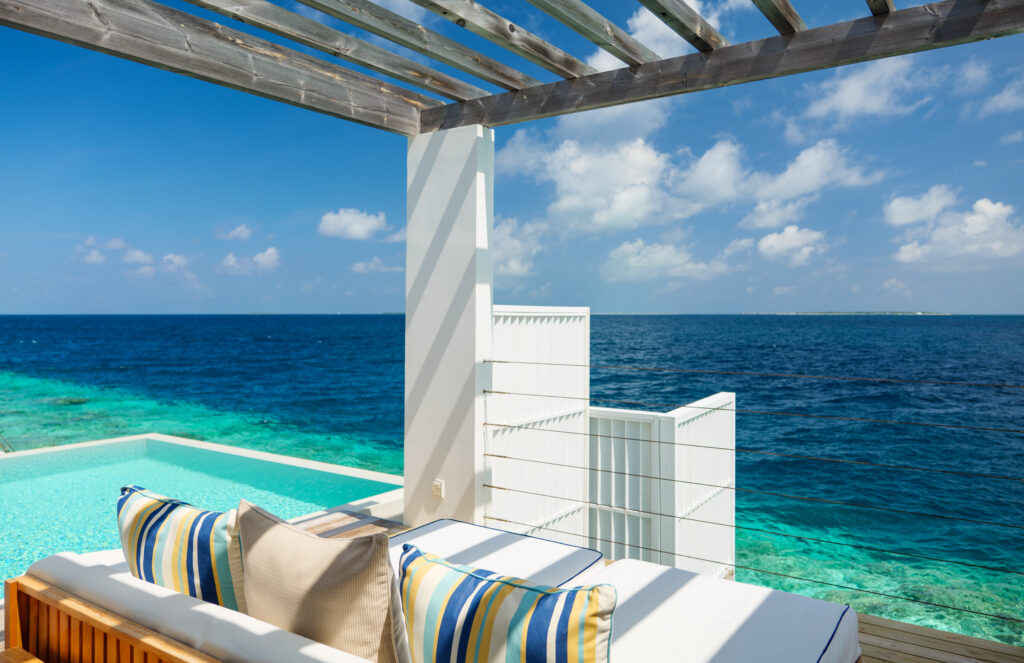
Ocean Pool Villa Deck | Photo credit: Amilla Maldives
Ocean Pool Villa Deck | Photo credit: Amilla Maldives

The Retreat Garden | Photo credit: The Retreat Koh Chang
The Retreat Garden | Photo credit: The Retreat Koh Chang

Planting a coconut at Amilla | Photo credit: Amilla Maldives
Planting a coconut at Amilla | Photo credit: Amilla Maldives
Author: Karen Fong
Karen Fong is a Singapore-based writer and editor who has previously spent time in Hong Kong, Shanghai and Canada. She writes parenting, lifestyle and travel content and has worked with publications including SilverKris, The Singapore Women’s Weekly, DestinAsian, Travel+Leisure Southeast Asia and Prestige Hong Kong.