

Inside Fukuoka's 400-Year-Old Bento Boxes and the Hotel That Built a Guest Experience Around Them
At the Ritz-Carlton Fukuoka, guest experiences include crafting one of the city’s cultural icons, all without leaving the hotel.
30 July 2026
Share this exclusive content from Saladplate
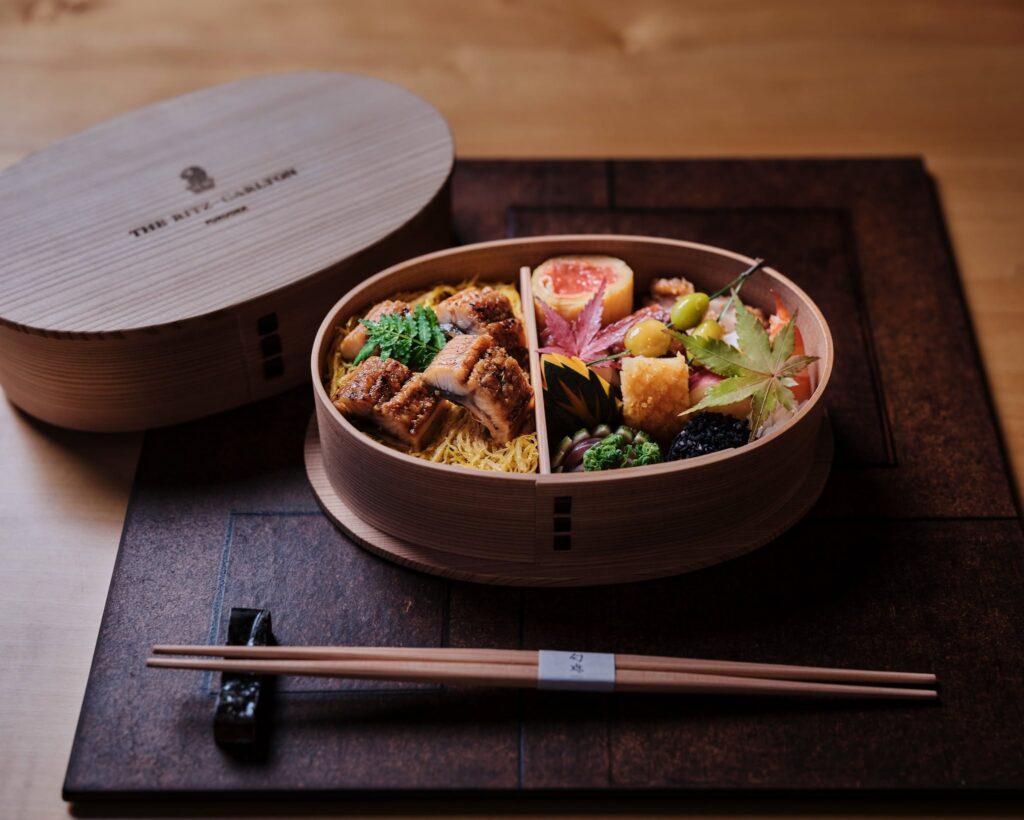
At The Ritz-Carlton Fukuoka, a deep dive into the prefecture’s bento culture is what guests can expect | Photo credit: The Ritz-Carlton Fukuoka
At The Ritz-Carlton Fukuoka, a deep dive into the prefecture’s bento culture is what guests can expect | Photo credit: The Ritz-Carlton Fukuoka
Bento boxes have always been synonymous with Japan and its traditions, even as they transcended cultures and came to be recognised globally as a way to carry food. While today they can be found made with various materials, their traditional format of lacquer or bamboo is still part of everyday Japan.
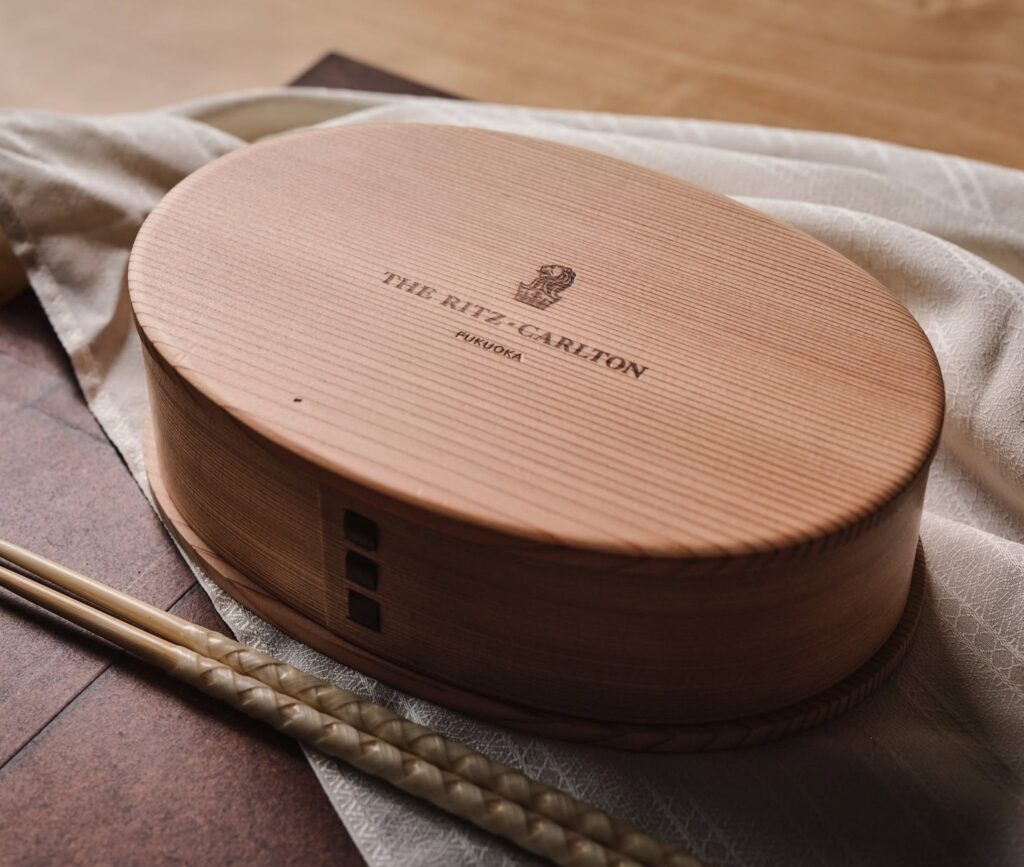
In Fukuoka prefecture, in Japan’s southern Kyushu islands, the traditional bento box is a little different. Called the Hakata Magemono, it has a centuries-long history within the area. Mage means “bent” or “curved” and refers to the shape, which makes it stand apart from traditionally squared bentos. Its unique shape helps to absorb excess moisture from cooked rice, making magemono a staple in sushi restaurants. Its uniqueness and place in history and religion have made it an Intangible Cultural Property of Fukuoka Prefecture.
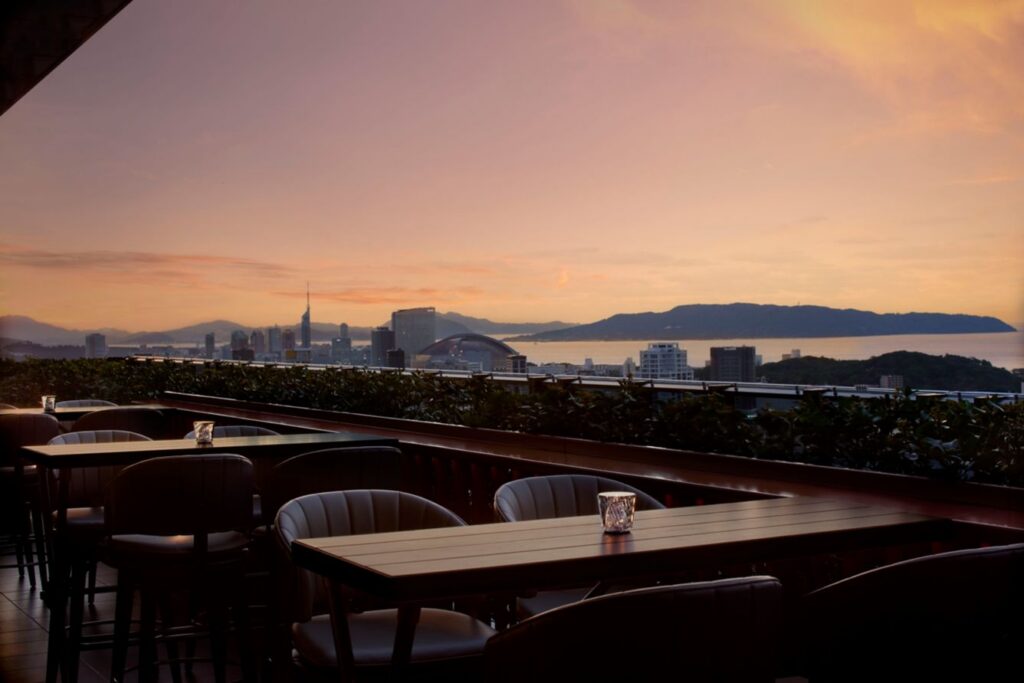
The hotel’s rooftop bar, Bay | Photo credit: The Ritz-Carlton Fukuoka
The hotel’s rooftop bar, Bay | Photo credit: The Ritz-Carlton Fukuoka
At The Ritz-Carlton Fukuoka, the only luxury hotel in the city, guests have the opportunity to learn more about the Hakata Magemono’s history, which is deep, rich and intricately connected to Fukuoka. In collaboration with Tamaki Shibata, the successor of the Shibata family, who have been making magemono for over 400 years using the same traditional techniques, guests can take part in the Hakata Magemono Bento Experience, which includes a private, 75-minute workshop to learn about its history, and even complete a box.
“Today’s travellers are looking for something beyond a beautiful hotel room. They want to leave a destination understanding it a little better than when they arrived, and this partnership grew out of that instinct,” says Adrien Pardede, Director of Marketing Communications for The Ritz-Carlton, Fukuoka.
A private 75-minute workshop where guests learn the history and
making of Hakata Magemono | Photo credit: The Ritz-Carlton Fukuoka
A private 75-minute workshop where guests learn the history and making of Hakata Magemon | Photo credit: The Ritz-Carlton Fukuoka
Learning An Intangible Trade
“Magemono itself wasn’t new to the destination,” Pardede continues. “It’s part of the heritage in Fukuoka, you’ll find it in homes, restaurants, and markets, so in that sense, yes, we’d always known it existed. But knowing a craft exists and actually sitting with the person keeping it alive are two very different things. Shibata-san is the only certified Hakata Magemono artisan in Fukuoka, eighteenth generation in her family’s craft, and one of very few women working in what has traditionally been a male trade.”
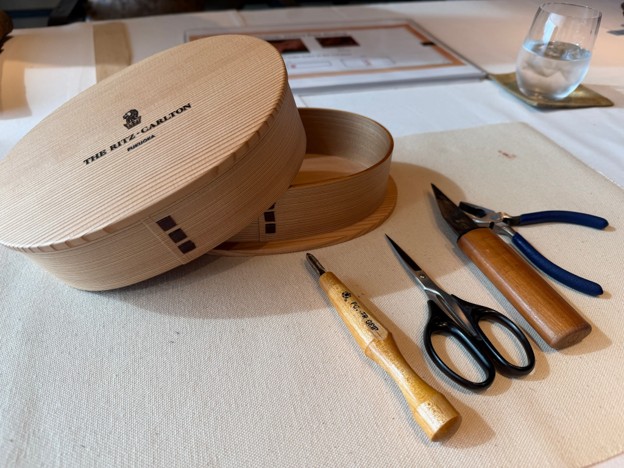
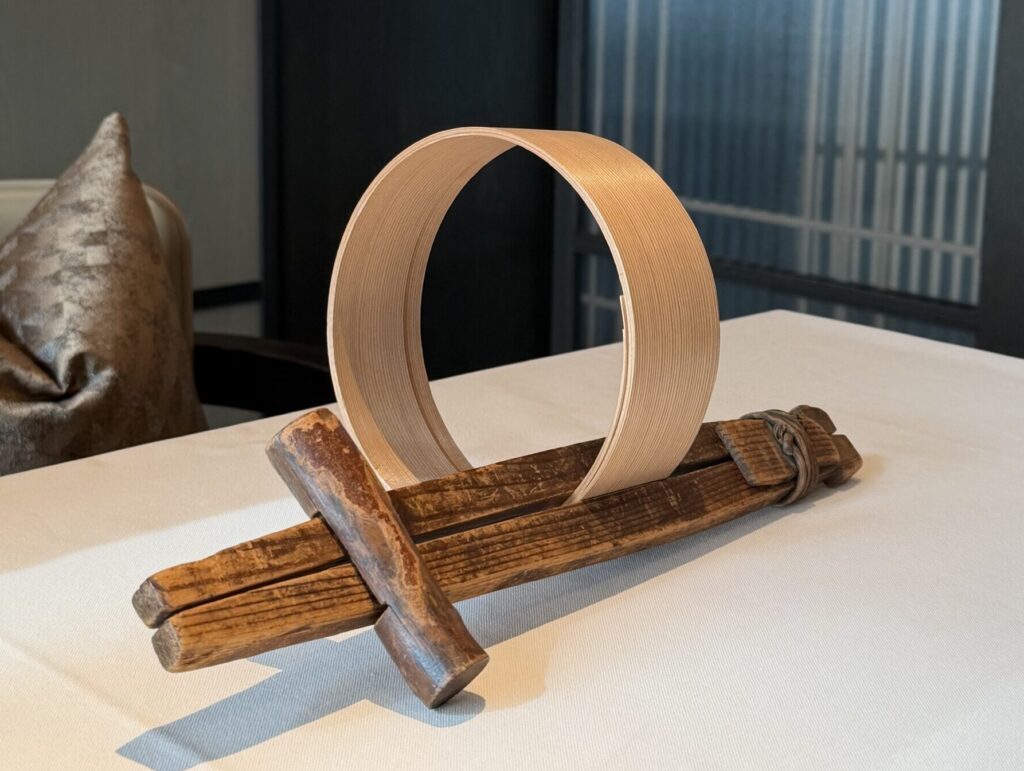
The Hakata Magemono are made entirely by hand and all materials and tools are provided | Photo credit: Karen Fong
The Hakata Magemono are made from Japanese cedar (sugi) or cypress (hinoki) and if well-cared for, can be used for up to 50 years, with the colour gradually changing over time. They are made entirely by hand, starting with strips of wood taken from the exterior bark, which are soaked to make them more malleable. After this, the wood is set on a rolling wheel where it is moulded into the curved shape. During the workshop, guests will get to feel the magemono wood in various stages of this process, and then have the opportunity to put the finishing touches on their own Hakata Magemono, using a thin piece of cherry wood (sakura) which is woven into the piece to hold it together.
Shibata makes it look far easier than it is, and the strength and precision required to smooth out the cherry wood is surprising. The weaving is difficult and the wood, while pliable, still requires immense concentration to weave it into the right place. It’s a small window into the intricacies of the craft. But being able to experience a centuries-old craft in a private setting is unique and truly feels like the hotel is bringing a part of the city’s culture into its hallways.
Shibata also takes the time to walk guests through the history of the magemono, its religious origins where it was used as vessels for offerings at the Hakozaki Shrine, and how it became imperative to the Japanese way of life, especially to carry food during train travel. She demonstrates the different steps to making a magemono and guides guests through the experience. It’s an intimate and unique experience to speak and learn from someone so clearly steeped in knowledge and culture.
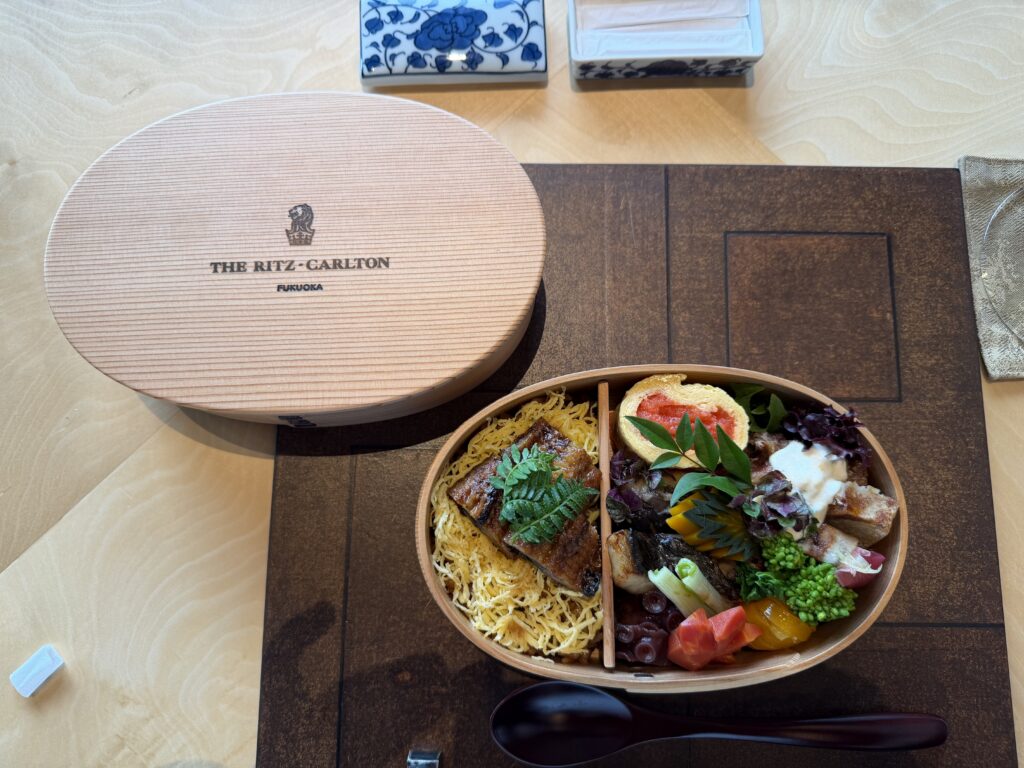
The finished Magemono box is used to serve lunch featuring Fukuoka’s freshest delicacies | Photo credit: Karen Fong
The finished Magemono box is used to serve lunch featuring Fukuoka’s freshest delicacies | Photo credit: Karen Fong
The completed Hakata Magemono is used to serve a lunch prepared at Genjyu, the hotel’s Japanese restaurant that combines techniques of Teppanyaki, Keiseki and Sushi. The meal allows guests to sample the freshest delicacies of Fukuoka. “We wanted guests to walk away having made something with their own hands, a keepsake that will always remind them of both the destination and the hotel,” says Pardede. “Magemono (bentwood) craft comes in many forms, from rice casks and trays to tea caddies, wine buckets, and even air purifiers. We had several collaborative discussions with Shibata-san on the structure of the workshop and how to bring the story to life, while also giving our Genjyu chef a place in the experience. In the end, it became a true collaboration.”
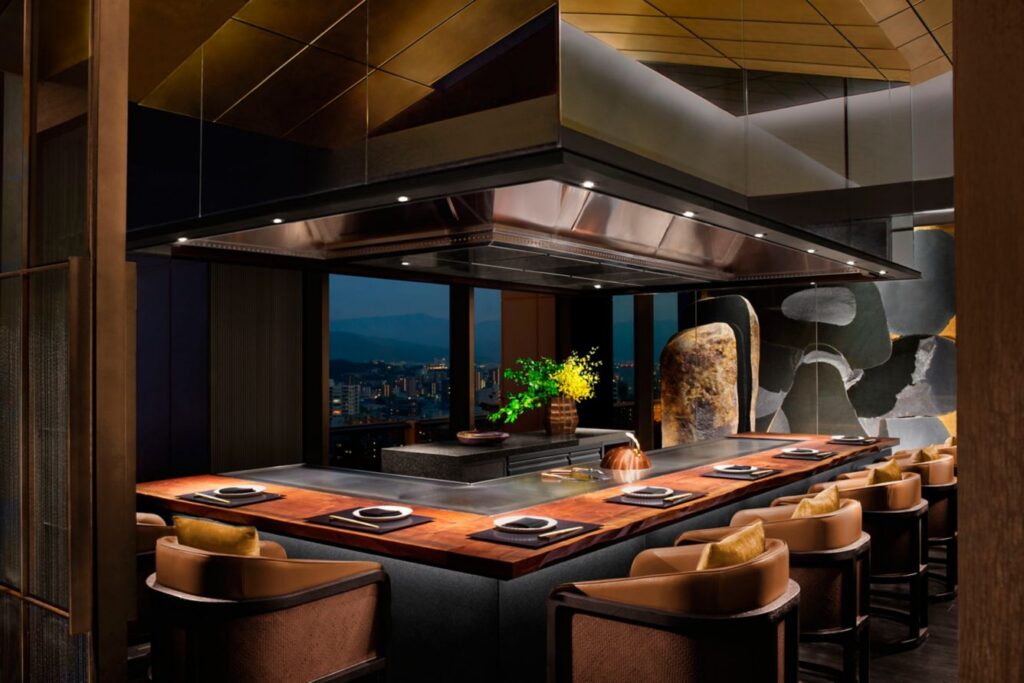
The hotel has worked hard to bring the culture of Fukuoka to their guests by way of design, tableware, craft and cuisine | Photo credit: The Ritz-Carlton Fukuoka
The hotel has worked hard to bring the culture of Fukuoka to their guests by way of design, tableware, craft and cuisine | Photo credit: The Ritz-Carlton Fukuoka
Bringing Kyushu Into the Guest Experience Via Design
Pardede stresses that the experience is designed to be fun, and can be enjoyed in groups up to six. “It’s not meant to be an advanced or technical experience, but more about appreciating the craft, and enjoying it together, whether as a couple, a family, or a group of friends. Most guests leave with a real sense of accomplishment and a handmade piece to remember their time in Fukuoka.” The experience has to be booked at least ten days in advance.
The hotel has worked hard to bring the culture of Fukuoka to their guests as much as possible. Pardede notes fresh ingredients and seasonal produce that feature heavily in their rooftop bar Bay, such as the Mentaiko Martini or their award-winning cocktail, Yu. Public spaces feature Hakata ori woven textiles and folding screens inspired by the Genkai Sea. “Genjyu showcases Rantai Shiki Lacquerware handcrafted by master artisans from Kurume, and at our 24th-floor Ritz-Carlton Spa, treatments such as Itazuke Restored pay homage to the power of the grain, using heated pillows filled with rice combined with pure essential oils, including rose geranium and sweet orange.”
This year, it also launched a series of curated journeys to draw guests into Kyushu’s living culture. This includes Yame Tea Tasting where guests explore Fukuoka’s celebrated tea heritage, and sample three distinct expressions: Sencha, Gyokuro, and Hojicha. Another is a visit to Nagahama Fish Market where they can witness the energy of the local fish auction, select a fresh catch with guidance from the chef and then enjoy it as a bespoke lunch at Genjyu. The experiences reaffirm the hotel’s commitment to creating luxury experiences for their guests that remain rooted in the city’s culture. “In a destination still less familiar to international travellers, guests look to us for guidance, privileged access, and reassurance,” says Pardede. “As Marriott International’s first luxury property in Kyushu, The Ritz-Carlton, Fukuoka plays a dual role as both trailblazer and curator of luxury.”
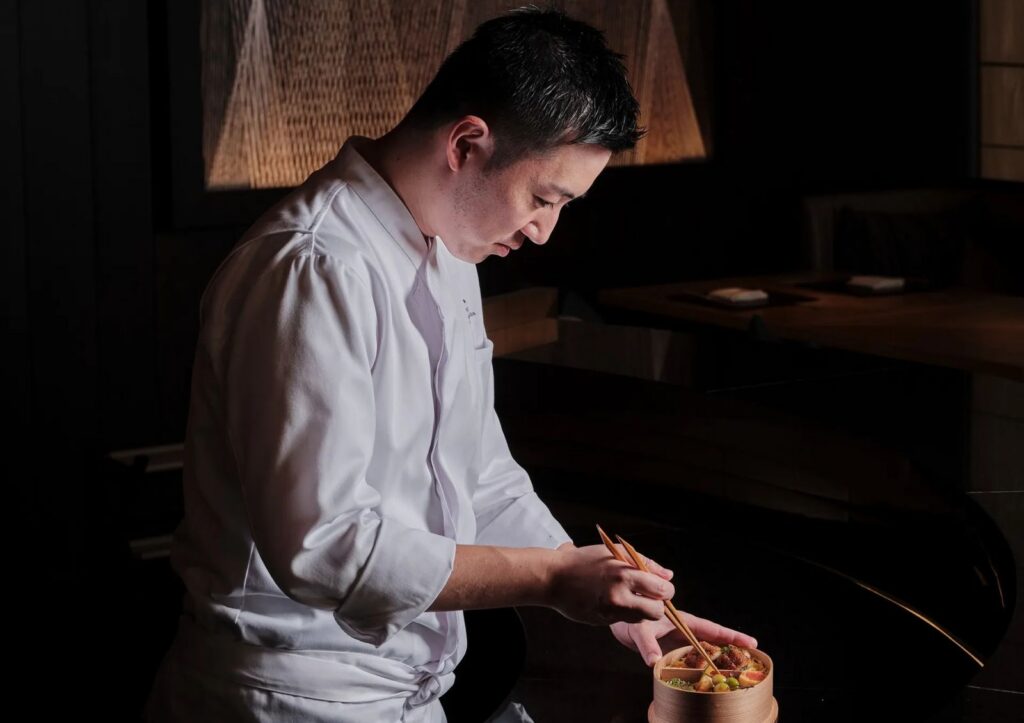
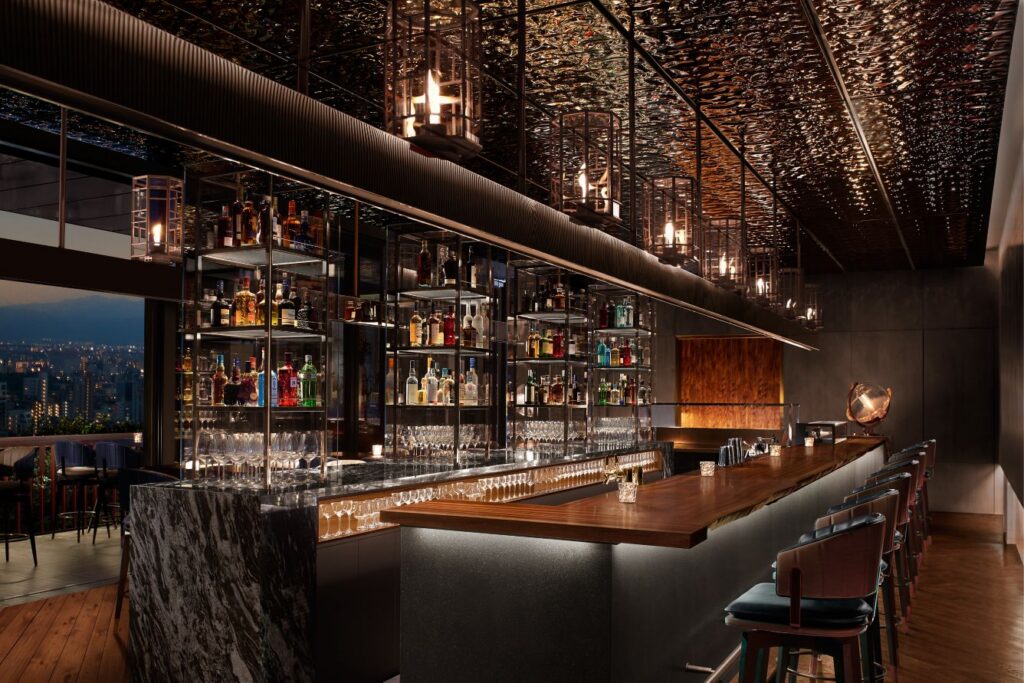
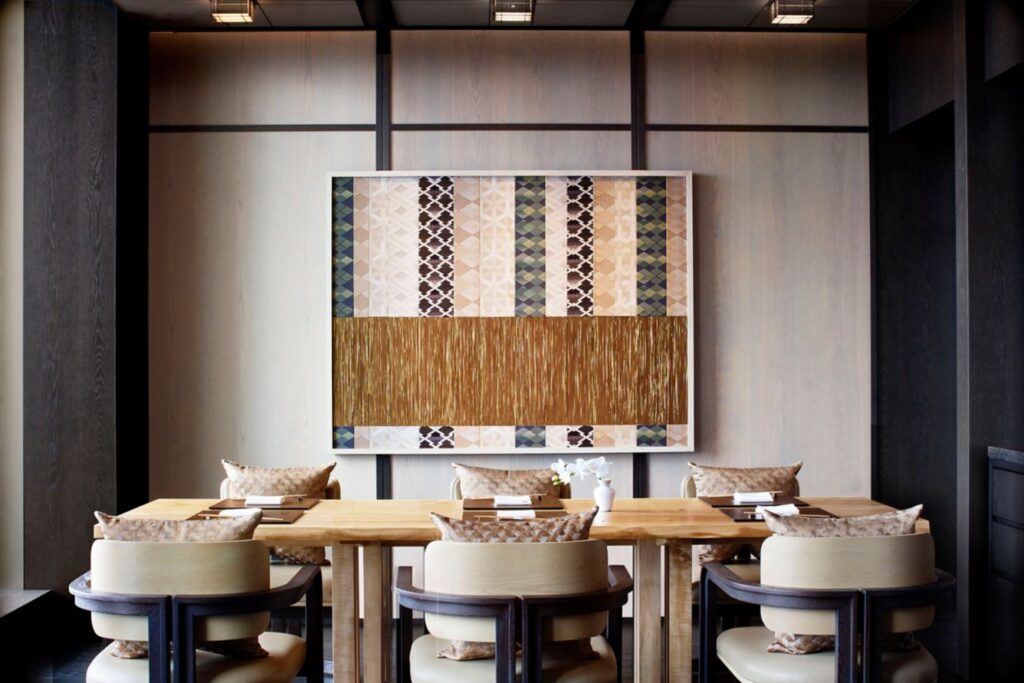
Photo credit: The Ritz-Carlton Fukuoka
Author: Karen Fong
Karen Fong is a Singapore-based writer and editor who has previously spent time in Hong Kong, Shanghai and Canada. She writes parenting, lifestyle and travel content and has worked with publications including The Singapore Women’s Weekly, DestinAsian, Travel+Leisure Southeast Asia and Prestige Hong Kong.