

Viral Food Trends Are Driving Retail and F&B Innovation, But At What Cost?
TikTok and Instagram are your not-so-new food reviewers, and the industry is ready and willing to listen (and watch).
1 November 2025
Share this exclusive content from Saladplate
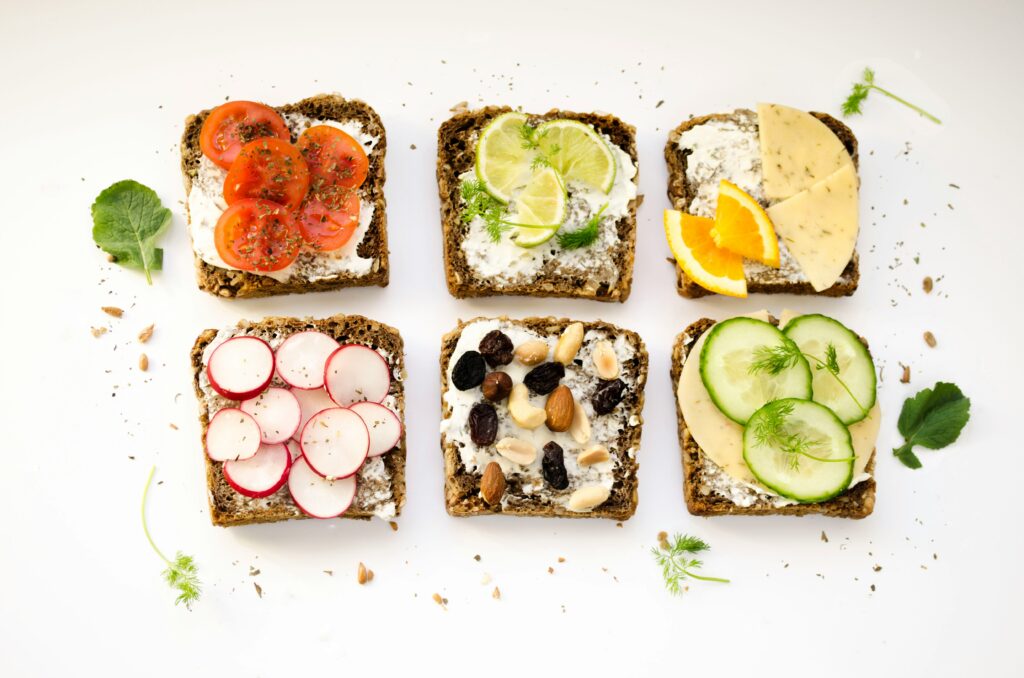
Cottage cheese-based recipes, such as toasts, pancakes, flatbreads, and more,
are trending on social media platforms | Photo credit: Unsplash
Cottage cheese-based recipes, such as toasts, pancakes, flatbreads, and more, are trending on social media platforms | Photo Credit: Unsplash
There’s no doubt that social media has drastically changed the way we consume food. From “the camera eats first” to visually stunning cafes that tailor lights and menus “for the ‘gram”, now more than ever, appearances mean something. But beyond looks, social media is doing something more. Tastewise, a site that uses AI to transform data from consumers, menus and socials into actionable opportunities, says “Platforms like Instagram and TikTok are no longer just visual hubs—they are decision-making tools that influence 50% of diners’ choices.”

Photo Credit: Instagram Screenshot
Photo credit: Instagram Screenshot
Recently, viral food trends have had a real impact on the food industry. Food trends like the emergence of Dubai chocolate to the cottage cheese revolution have taken social media platforms by storm, becoming a global phenomenon. GWI, another global insights platform, examined how powerful social media could be as a source of meal inspiration and what users crave in their food content. One example they cited was a rise in interest among young social media users for vintage recipes. This resulted in a big jump in searches for 1970s-style dishes like beef stroganoff and baked Alaska from the UK in Spring 2021. At the time of writing this article, there were more than 75,000 posts of #bakedalaska on Instagram.
Beyond that, the effects of trending food content have varied globally, ranging from profitable to sustainably dubious.
Boosting supermarket sales with Dubai chocolate and #bakedfetapasta
No one could have missed the heat generated by Dubai chocolate. Initially, the chocolate was invented in 2021 by Sarah Hamouda, a British-Egyptian engineer and Filipino chef Nouel Catis Omamalin of FIX Dessert Chocolatier. By 2024, it had gone viral with a video posted in 2023, garnering over seven million views.
An article from The Guardian written in May 2025, notes that supermarkets were once trendsetters who would study popular restaurant menu items and recreate them. Today, however, the retail industry has turned to artificial intelligence (AI) to track online recipes, social media chatter and reviews to create products. “Where product development projects used to take months, products can hit the shelves in as little as a few weeks,” the article noted. When Waitrose launched their “version” of Dubai chocolate in March 2025, it had to impose a two-bar limit on its customers.
Supermarkets have largely benefited from these viral food trends, especially with trends involving everyday ingredients. The viral baked feta pasta of 2021 saw US-based grocery delivery platform Instacart move 4.6 times the usual volume of the ingredients (feta, cherry tomatoes and pasta). The hashtag, #bakedfetapasta, has had over 108 million views on TikTok. Instacart also saw sales spike in 2022 for ingredients in other viral trends such as the Green Goddess salad, Coconut Cloud smoothies and Negroni Sbagliato with Prosecco.
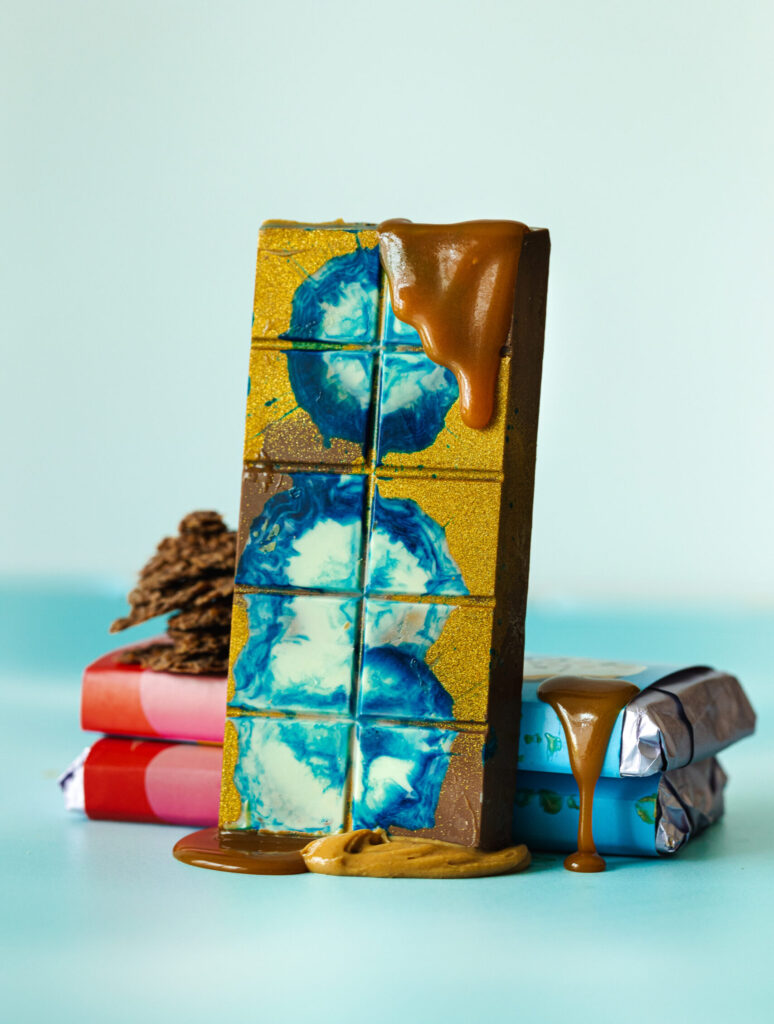
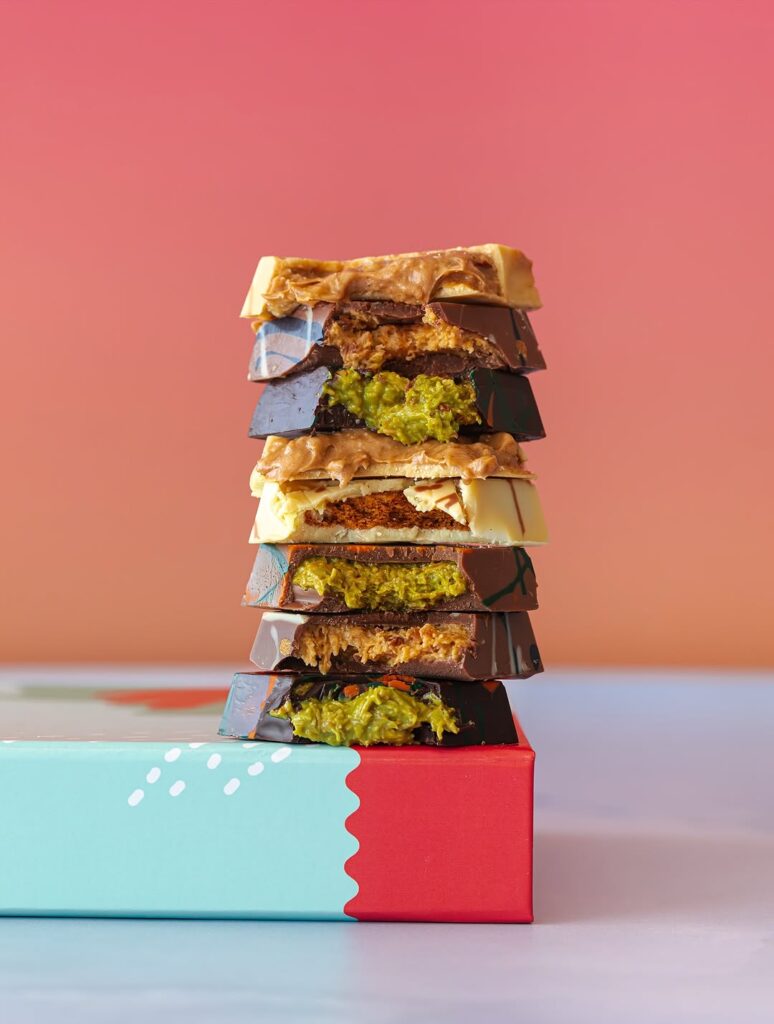
The Dubai chocolate trend has generated the highest number of copycats and spin-off products in recent times | Photo Credit: FIX Dessert Chocolatier
The Dubai chocolate trend has generated the highest number of copycats and spin-off products in recent times
| Photo credit: FIX Dessert Chocolatier
However, other trends, such as the viral-for-a-while butter boards, did not generate more sales.
Health-driven initiatives with “matcha everything” and cottage cheese
With health and wellness trends on the rise, it should come as no surprise that some viral food trends have been spurred by consumers seeking more ways to eat healthier (without giving up flavour).
Cottage cheese, a trend that made it big in 2024 and seems to have some staying power, is one such product being hailed for its high protein content. Content creators have used it to make everything from cottage cheese toasts to homemade “ice cream”. On TikTok, the cheese’s hashtag has been used a whopping 814.6 million times. US-based Good Culture recorded a 97.8% increase in retail sales comparing July 2023 to July 2024 according to Supermarket Perimeter.
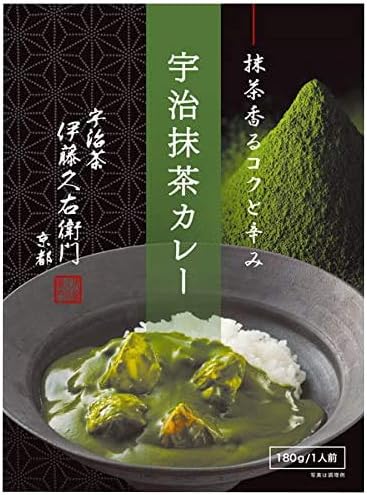
Photo Credit: Amazon Japan
Photo credit: Amazon Japan
Another product back in the limelight for its health benefits is matcha. While in Asia its health benefits are well-known, it experienced a surge in popularity in 2024 to 2025 when influencers started putting it in drinks, snacks and desserts. Besides being rich in antioxidants, matcha is also known for its ability to lower blood pressure and reduce cholesterol when taken regularly.
Beyond retail, the popularity of matcha led to an increase in matcha cafes and/or matcha items on menus. In South Korea in 2025, The Chosun Daily reported that Starbucks Korea stated that the sales of its “Jeju Matcha Latte” and “Jeju Matcha Cream Frappuccino” in the first half of the year increased by over 30% as compared to the year before.
While matcha is common in drinks and desserts, it has also found its way into savoury products such as Itohkyuemon Uji Matcha Curry, a green tea-infused instant Japanese curry meal kit, and Matcha instant Cup Noodles ramen, both available in Japan.
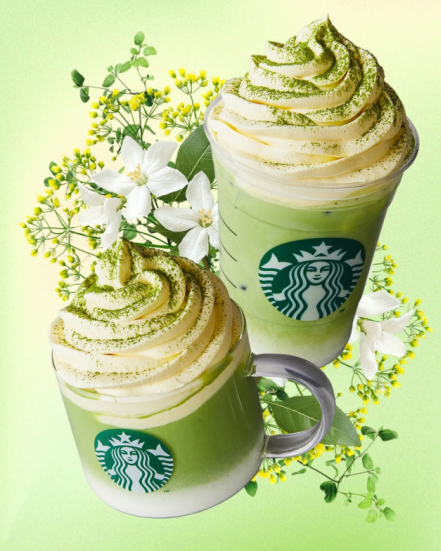
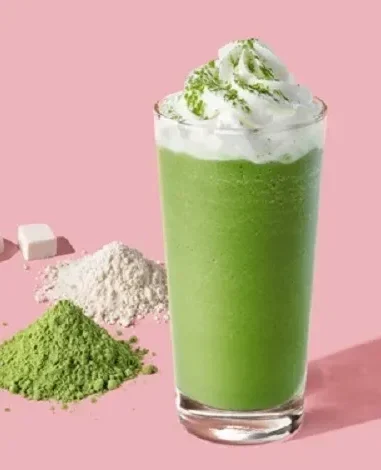
“Jeju Matcha Latte” and “Jeju Matcha Cream Frappuccino” at Starbucks Korea and
Wasanbon Matcha Tea Latte at Starbucks Japan | Photo credit: Starbucks
“Jeju Matcha Latte” and “Jeju Matcha Cream Frappuccino” at Starbucks Korea and Wasanbon Matcha Tea Latte at Starbucks Japan | Photo credit: Starbucks
The cost of popularity
But it’s not all positivity when it comes to viral food trends and their impact on the food industry. In particular, sourcing and sustainability are key concerns for popular ingredients with matcha being top of the list.
As a result of high demand, Kyoto-based tea companies Ippodo and Marukyu Koyamaen imposed purchase limits in 2024, despite ramping up production to meet demand. In 2023, Japan produced 4,176 tonnes of matcha, nearly three times the quantity in 2010 and still demand continued. The same can be said of the pistachio component of Dubai chocolate. According to The Guardian in 2025, the popularity of the chocolate bar led to a nearly 35% increase in the price of pistachios, from €6.65 (£5.59) a pound to €8.96 a pound, according to the data-monitoring platform Tridge.
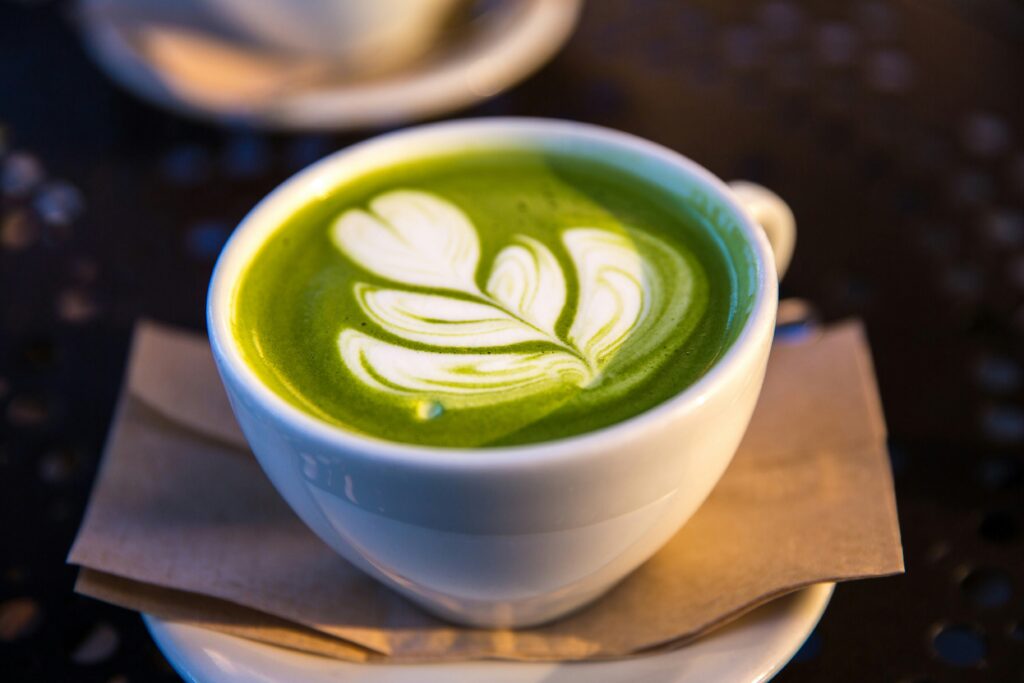
A Matcha Latte | Photo credit: Unsplash
A Matcha Latte | Photo Credit: Unsplash
Mass purchasing as a result of a product’s trendiness can stress supermarket stocks and lead to intensive cultivation practices, which cause environmental strain. Many trends, such as #bakedfetapasta, are also associated with higher carbon emissions due to their dependence on dairy. While there is widespread concern about food waste, given initial consumer enthusiasm that inevitably diminishes.
Ultimately as consumers quickly move from one viral food trend to the next, it forces retailers, suppliers and the F&B industry in general to be nimble and forward-thinking when it comes to serving them. This might result in the use of AI to predict consumer interest, automated warehouses and technology in general to improve the customer experience. One can only hope the same innovation can be used to preserve resources as well.
Author: Karen Fong
Karen Fong is a Singapore-based writer and editor who has previously spent time in Hong Kong, Shanghai and Canada. She writes parenting, lifestyle and travel content and has worked with publications including The Singapore Women’s Weekly, DestinAsian, Travel+Leisure Southeast Asia and Prestige Hong Kong.