

Whole Animal, New Appetite: How Organ Meat Blends Are Reshaping Protein Innovation
As chefs and food manufacturers embrace nose-to-tail butchery, blends incorporating nutrient-dense offal, from liver to heart, are emerging as a strategic way to deliver flavour, sustainability and enhanced nutrition.
27 April 2026
Share this exclusive content from Saladplate

Beloved across Asia, Europe, and Latin America, organ meats have long been an afterthought in the Western diet | Photo credit: Pexels
Beloved across Asia, Europe, and Latin America, organ meats have long been an afterthought in the Western diet | Photo credit: Pexels
In the evolving conversation around the future of protein, a once-overlooked category is re-entering the mainstream. Organ meats, long relegated to the margins of Western diets or diverted into pet food and industrial use, are finding renewed relevance through a simple idea: incorporating nutrient-dense offal such as liver, heart and kidney into everyday foods like burgers, sausages and meatballs, while positioning the “whole animal” philosophy as a scalable and nutrient-dense solution for the future of protein.
By incorporating small amounts of these ingredients into familiar formats, chefs and food manufacturers are reframing how consumers engage with the whole animal. The approach is both pragmatic and strategic, addressing some of the food system’s most pressing challenges, from waste reduction to nutritional quality, without asking consumers to radically change their eating habits.
At its core, this shift reflects a broader recalibration of value. In a system where livestock is estimated to be between 12 and 44 per cent offal by weight, the underutilisation of these parts has long represented both an inefficiency and a missed opportunity. Now, under the combined pressures of sustainability, rising costs and evolving consumer expectations, that equation is beginning to change.
From By-Product to Value Proposition

Organ meats are increasingly seen as functional, nutrient-rich ingredients | Photo credit: Pexels
Organ meats are increasingly seen as functional, nutrient-rich ingredients | Photo credit: Pexels
Historically, offal has occupied an uneven place in global food culture. While it remains an everyday ingredient across many parts of Asia, Europe and Latin America, consumption declined sharply in developed Western markets over recent decades, shaped by changing tastes, industrialised meat production and a growing disconnect between consumers and the origins of their food. As food studies professor Amy Bentley observes, many modern consumers find the distinctive forms, flavours and textures of organ meats “increasingly unnerving”, contributing to their gradual disappearance from mainstream diets.
Today, that trajectory is being reassessed. A new generation of brands is repositioning organ meats not as relics of the past, but as functional, nutrient-rich ingredients suited to modern diets. Much of this shift is being driven by incorporation into familiar formats, a strategy that softens both the sensory and psychological barriers associated with offal.
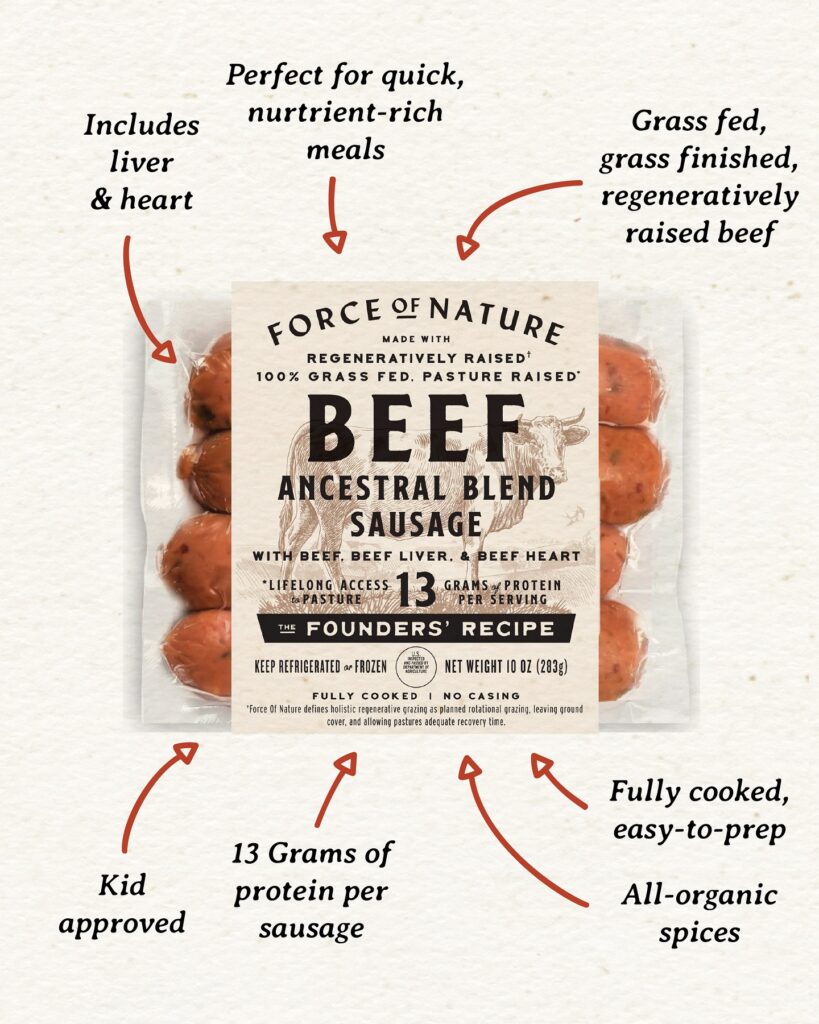
Beef Sausage Blended with Liver and Heart | Photo credit: Force of Nature
Beef Sausage Blended with Liver and Heart | Photo credit: Force of Nature
In the United States, companies such as Force of Nature Meats and Primal Pastures have led the charge with so-called “ancestral blends”, combining ground beef with organ meats in ratios designed to be nutritionally impactful yet organoleptically subtle. A typical formulation might include 80 per cent beef, with the remaining portion split between liver and heart, delivering a micronutrient boost without noticeably altering taste or texture.
The strategy appears to be resonating. Sales of beef offal have risen by 49 percent since 2020, while chicken offal has surged by 388 percent over the same period, signalling a broader shift in consumer openness. Retailers are also expanding their assortments, with organ-enriched products now appearing across beef, bison, poultry and game.
Crucially, this approach allows manufacturers to bypass one of offal’s biggest hurdles: perception. Rather than asking consumers to embrace liver as a standalone ingredient, it is embedded into foods they already know and enjoy, delivering what might be described as invisible nutrition.
More Than Just Protein
If format is the enabler, nutrition is the value driver. Organ meats are among the most nutrient-dense foods available. As Wesley McWhorter of the Academy of Nutrition and Dietetics notes, “organs are among the most nutrient-dense foods available,” offering high concentrations of iron, vitamin A, B vitamins, selenium and choline — nutrients that remain under-consumed in many modern diets.
While muscle meat is typically valued for protein, offal delivers a different nutritional profile, one particularly rich in micronutrients essential for energy metabolism, cognitive function and immune health. Liver contains exceptionally high levels of iron and vitamin A, while heart and kidney contribute key B vitamins and trace minerals. Some researchers have even described organs such as liver and spleen as “natural multivitamins”, underscoring their density and functional value.
This aligns with the broader shift toward nutrient-dense eating, where the focus is moving beyond calories and macronutrients to the overall functionality of food. Where earlier protein innovation focused on subtraction, removing fat, additives or animal content, this next phase is increasingly about restoration.
At the same time, experts caution that organ meats are best consumed in moderation due to their concentrated nutrient profile. Incorporating them into everyday foods offers a practical middle ground, enabling controlled inclusion while maintaining dietary balance.
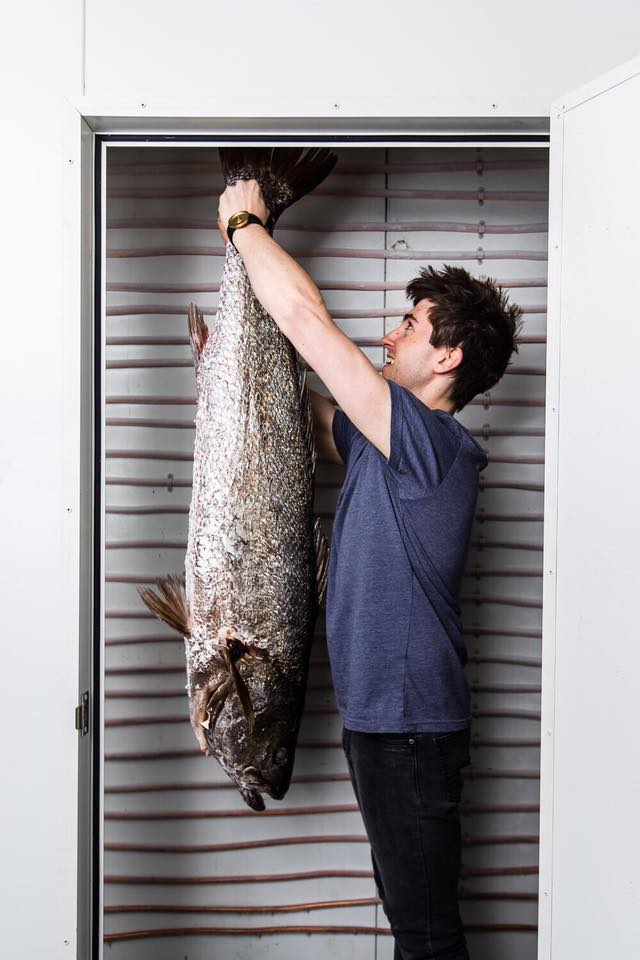
Chef John Niland | Photo credit: Saint Peter
John Niland | Photo credit: Saint Peter
The Chef-Led Revival of Nose-to-Tail
Beyond retail innovation, chefs have played a pivotal role in reshaping the narrative around offal. Across global culinary scenes, nose-to-tail cooking is being revisited not as novelty, but as necessity.
In Sydney, chef Josh Niland has become a leading voice in whole-animal utilisation, particularly through his work with fish. At Saint Peter and his adjoining fish butchery, he has built a philosophy around using every part of the animal, transforming what was once waste into refined dishes, from fish liver pâté to mortadella made with fish milt.
Similar perspectives are echoed globally. “In Chinese cuisine, eating offal is not seen as exotic or gourmet but an everyday food,” says chef Michael Li who previously ran the renowned Super Ling in Melbourne, where dishes featuring braised pig’s ears, beef tripe and tongue were part of the offering. His perspective reflects a broader cultural context in which these ingredients have long been valued for both flavour and function. In many markets, offal is not being rediscovered so much as recontextualised for new audiences.
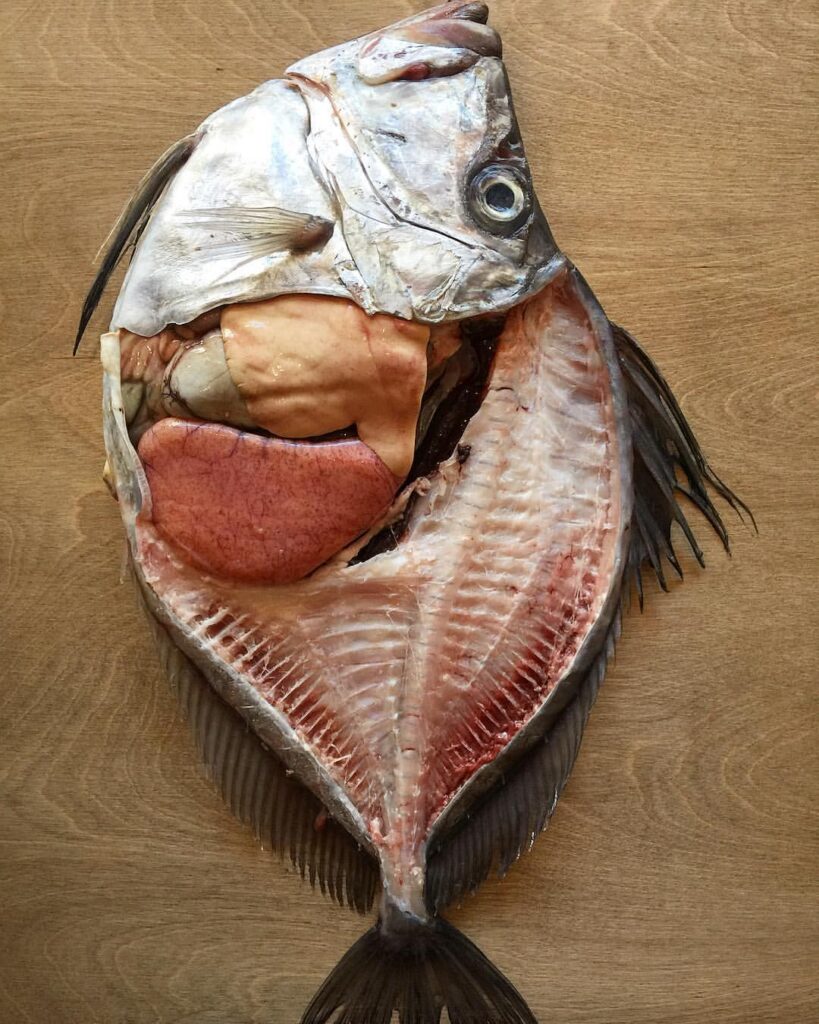
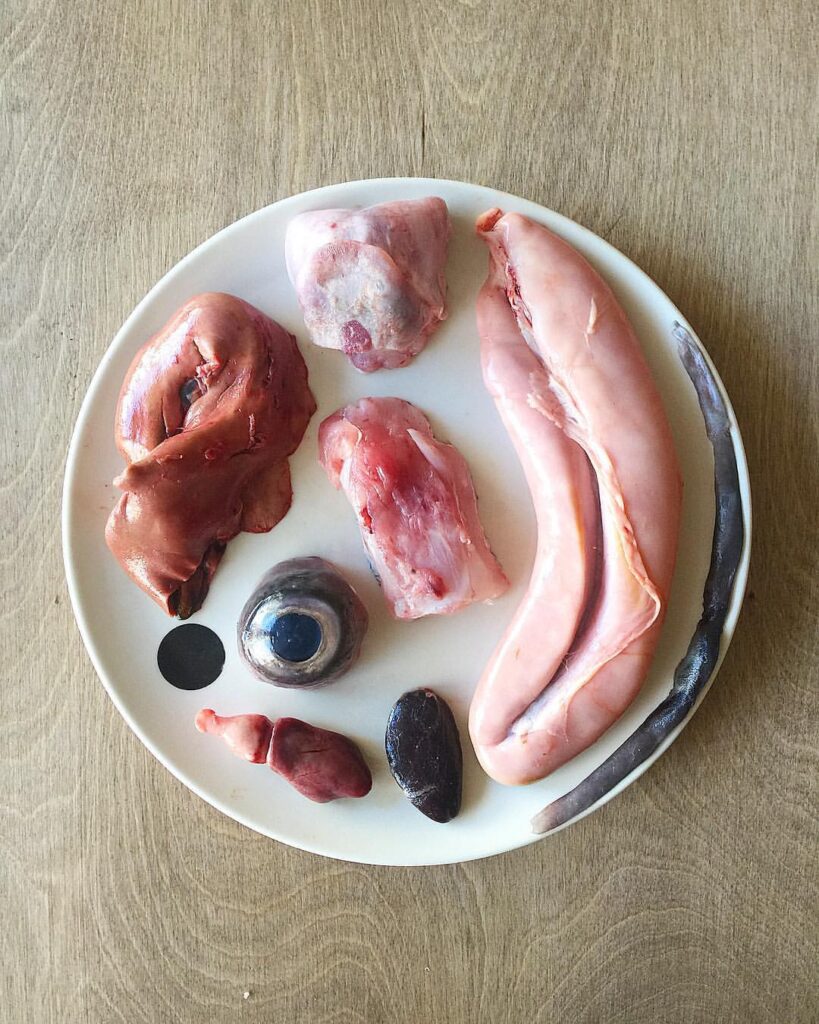
Chef John Niland is known for championing whole fish utilisation at his restaurant | Photo credit: Saint Peter
Chefs are also redefining how offal is experienced. Through techniques such as slow braising, curing and fermentation, they unlock depth and complexity, while less familiar cuts are reframed as opportunities for creativity rather than compromise. “With offal, you can be a bit more creative,” notes chef Maria Kabal.
Presentation plays a role too. When incorporated into familiar dishes or formats, whether a burger, a slow-cooked ragu or a richly spiced curry, offal becomes far more approachable to diners who might otherwise hesitate.
Importantly, chefs are not only preserving tradition but actively shaping product development. Their techniques and flavour frameworks are increasingly informing how manufacturers design scalable organ-enriched products for retail and foodservice markets.
Sustainability Through Utilisation
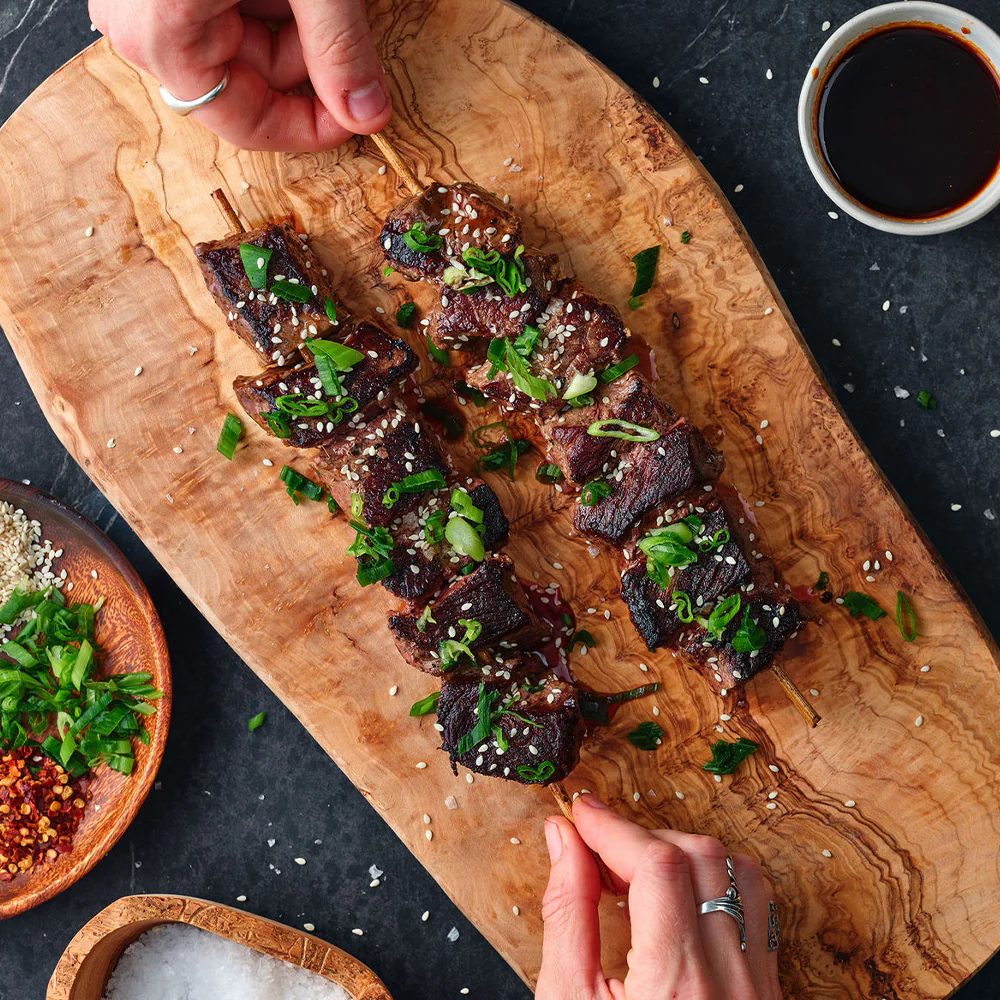
Grilled Beef Heart | Photo credit: Force of Nature
Grilled Beef Heart | Photo credit: Force of Nature
The renewed interest in organ meats is closely tied to sustainability. As scrutiny of livestock systems intensifies, improving utilisation across the entire animal has emerged as a critical lever for change.
A significant proportion of offal produced globally is still underutilised, often diverted into low-value applications such as animal feed or discarded altogether. This represents both a loss of nutrition and an inefficiency in resource use, given the land, water and energy required to produce livestock.
By reintegrating these components into the human food chain, this approach offers a pathway to more efficient protein systems. Rather than increasing production, it maximises value from existing resources, aligning with circular economy principles and reducing overall waste. As Li notes, “it’s more sustainable to eat and not waste any part of the animal.”
Cost is another factor driving renewed interest. Compared to prime cuts, offal can be significantly more affordable, making it attractive not only to chefs managing margins but also to increasingly price-conscious consumers. This dual advantage, economic and environmental, reinforces its relevance in today’s food landscape.
This mirrors broader food industry trends, where by-products are being repositioned as ingredients in their own right, from spent grain in brewing to fruit peels in upcycled snacks. Within this landscape, offal represents one of the most significant untapped opportunities.
Bridging the Gap Between Ideals and Reality
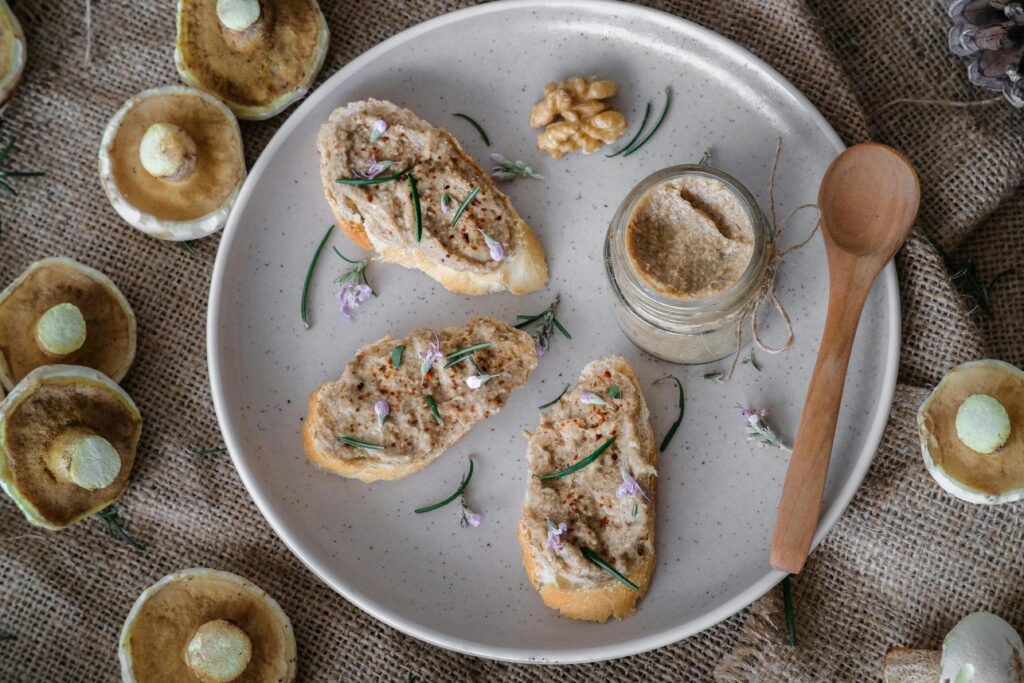
Liver Chicken Pate | Photo credit: Shutterstock
Liver Chicken Pate | Photo credit: Shutterstock
Despite growing interest, challenges remain. Cultural perceptions continue to shape acceptance, particularly in markets where offal has been absent from mainstream diets for generations. Texture, familiarity and language all influence uptake.
Branding has therefore played a critical role. Terms such as “ancestral” and “primal” have helped reposition organ meats in a more aspirational context, appealing to consumers interested in natural, minimally processed foods. At the same time, incorporating these ingredients into familiar formats provides a practical entry point, allowing gradual exposure rather than abrupt dietary shifts.
Economic dynamics are also evolving. Once considered low-value by-products, organ meats are seeing rising demand, particularly for high-quality, pasture-raised sources, shifting long-standing assumptions around cost and accessibility.
Health considerations remain important. While nutrient density is a clear advantage, responsible framing around consumption and preparation is essential for long-term adoption.
Redefining Meat for the Future
As protein innovation continues to evolve, organ meat blends point toward a more nuanced direction. Rather than replacing meat, they suggest reworking it, making it more complete.
This reflects a broader shift in the protein landscape. Where earlier conversations were often framed in binary terms, today’s approaches are more layered, spanning everything from plant-based alternatives to hybrid formats and whole-animal utilisation.
Within that spectrum, the whole-animal philosophy offers a compelling throughline, connecting sustainability, nutrition, and culinary tradition. By making offal more accessible through everyday foods, the industry is not only reducing waste but also reshaping expectations around what meat can be.
The future of protein may not be about choosing sides, but about making better use of what’s already there. And in that shift, the parts once left behind are starting to find their way back.
Author: Michelle Yee
A content and communications professional, Michelle spent more than a decade creating content for several leading media titles including Lonely Planet Asia, Yahoo Singapore, Wine & Dine. After leaving the media industry in 2019, she has been honing her craft at a global communications agency where she helps develop and drive publicity campaigns for brands in the consumer and corporate sector.