

Tech Tracker: 4 Resolutions for
restaurant tech in 2026
Here’s what should be on both technology companies’ and restaurant operators’ tech to-do lists for the year ahead.
16 January 2026
Share this exclusive content from Saladplate
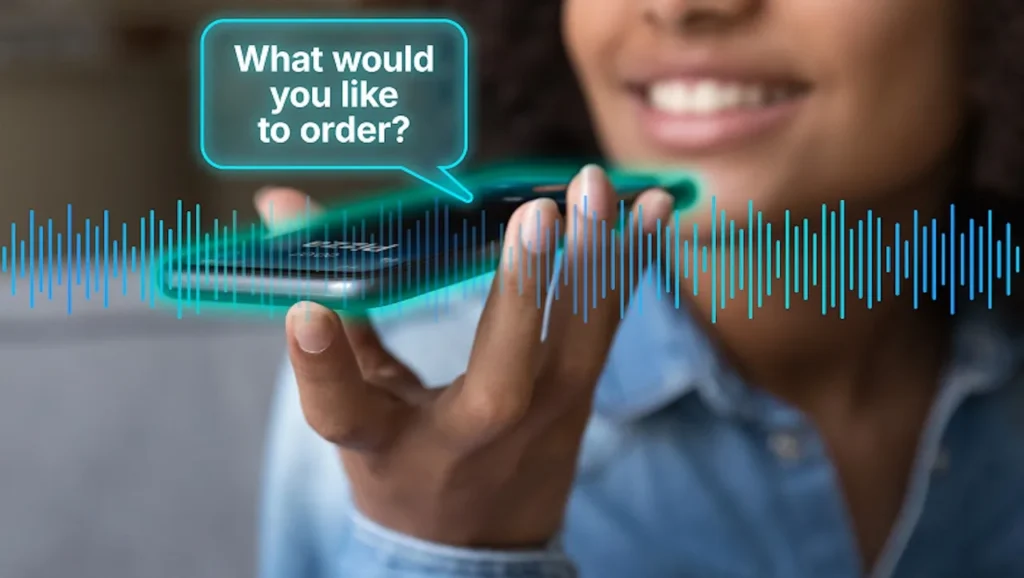
Do we need to rethink our approach to AI? | Photo Credit: Presto
Do we need to rethink our approach to AI? | Photo credit: Presto
As 2026 kicks off, the first Tech Tracker of the New Year is releasing a to-do list for restaurant operators and technology vendors, inspired by the latest trends, news, and predictions. Instead of a monthly news roundup or yet another set of forecasts, this list focuses on actionable resolutions to help navigate the evolving tech landscape.
From setting more realistic expectations for AI to adapting to shifts in digital marketing — including a renewed focus on capturing the attention of scrolling consumers — here are four resolutions foodservice tech leaders and innovators should keep in mind for 2026 and beyond.
Stop investing in “AI for AI’s sake”
Remember the old advice to avoid buying “technology for technology’s sake”? Today, that wisdom applies even more to AI. Nearly every tech product now boasts an AI component. This month’s announcements include NCR Voyix’s new suite of AI technology, including conversational AI and loyalty tools; and Papa Johns’ partnership with Google Gemini for personalized ordering and automated coupon application.
While AI is being used to write social media posts, take drive-thru orders, and track kitchen operations, its accuracy and practicality are still being tested. Last year, chains like McDonald’s and Taco Bell hit pause on voice AI after glitches, including Taco Bell’s infamous incident where the system faltered when a customer jokingly ordered 18,000 water cups.
AI remains a hot investment — drive-thru AI company Presto raised $10 million this month — but operators should tread carefully. Focus on what a tool can realistically solve, not just what it promises, to avoid creating more headaches than it fixes.
Consider new forms of digital loyalty
As the “is loyalty dead?” debate rages on, consider this possibility: Loyalty is just evolving. This month, Paytronix announced SMS enrollment verification for both convenience stores and restaurants, which lets operators track loyalty guests using just their phone number.
In December, Olo acquired Spendgo and announced the company’s first loyalty tool which is similarly phone-number-based, password-free and doesn’t require a mobile app download.
Around the same time, Par Technology unveiled a digital wallet loyalty solution that integrates with Apple and Google Wallet and is also app-free.
Notice a pattern here? Loyalty apps may still be the default, but that’s rapidly evolving as customers look to free up real estate on their phone.
Upgrade your online storefront
We already know it’s not enough anymore to just have a static restaurant website anymore, and now it’s not enough to make sure your concept is regularly posting on multiple social media channels.
These days, customers are using different channels to discover restaurants, including Google and Apple Maps, and generative AI chatbots.
This month, first party ordering and delivery platform Sauce announced an integration with Apple Business Connect, which lets restaurants not only update their Apple Maps listing, but also offer insights on how people are interacting with those digital listings.
In December, DoorDash began piloting Zesty — an AI-powered mobile app that lets customers search for restaurants using DoorDash’s maps with hyper-specific prompts.
Other companies like Bites AI from the Delivery Collective, are jumping on the generative AI movement, by allowing customers to directly order food through an AI agent like Claude or ChatGPT, which then connects directly with a restaurant’s POS system, and a third-party driver.
Restaurants need to start thinking about how visible they are to the type of customer that will prefer to use a chatbot or scroll through an app to pick out their new favorite restaurants instead of using Google or Yelp.
Repair delivery partnerships (Or improve first-party options)
The viral Reddit whistleblower who falsely claimed to reveal the secrets of an unnamed delivery app served as a stark reminder of the risks of AI and the spread of misinformation. However, this story wasn’t just about avoiding AI scams — it also highlighted the deep distrust the restaurant industry and the public have toward third-party delivery apps.
So, in 2026, delivery apps should prioritize rebuilding trust with both operators and consumers through greater transparency. DoorDash has taken a step in this direction with its first hardware solution: a SmartScale designed to reduce inaccurate order complaints.
If repairing trust with the “big three” delivery platforms isn’t feasible, the industry should shift its focus to realistic first-party delivery alternatives. Smaller solutions, like Lunchbox’s newly announced partnership with Opa — which offers a commission-free listing marketplace while allowing brands to retain control of their data — provide options, but no single solution has yet emerged to challenge the dominance of DoorDash, Uber Eats, and Grubhub.

Source: Nation’s Restaurant News