

From Banquets to Bars,
Can China’s Favourite Spirit Go Global?
Once confined to banquet halls and business toasts, Baijiu is being reimagined for a global audience. From flavour refinement to cocktail culture, China’s national spirit is stepping onto the world stage, but can it truly resonate?
20 April 2026
Share this exclusive content from Saladplate

A Baijiu Distillery | Photo credit: Shutterstock
A Baijiu Distillery | Photo credit: San You Cocktail Bar
For a spirit that dominates the world’s largest alcohol market, baijiu remains curiously absent from the global bar conversation. Consumed in vast quantities across China, where it underpins everything from state banquets to family celebrations, baijiu is the best-selling spirit category by volume worldwide. Yet beyond its home market and pockets of the Chinese diaspora, it remains largely unfamiliar to Western drinkers.
That disconnect is now driving a strategic shift. As domestic growth slows and younger consumers turn toward whisky, wine and cocktails, China’s leading baijiu producers are looking outward, rethinking everything from flavour profiles to branding in an effort to position the category for export.
The question is no longer whether baijiu can travel, but whether the world is ready for it?
A Spirit at an Inflection Point
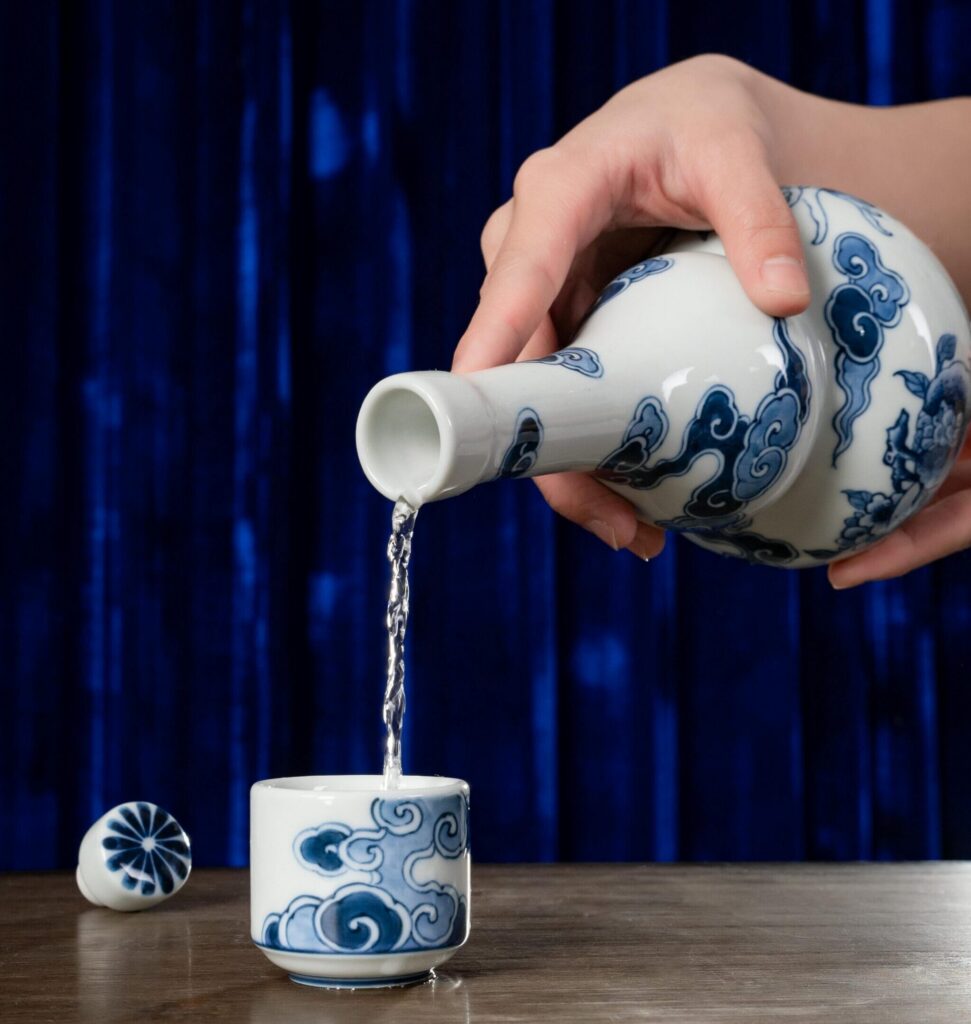
Baijiu is the backbone of China’s alcohol industry | Photo credit: Pexels
Baijiu is the backbone of China’s alcohol industry | Photo credit: Pexels
Baijiu’s dominance at home is undeniable. The category generated an estimated US$167 billion in China in 2023 alone, according to, making it the backbone of the country’s alcohol industry.
But momentum is shifting. A combination of factors, including changing consumer preferences, increased competition from Western spirits, and a broader slowdown in domestic demand, has prompted producers to seek new growth beyond China’s borders. Export figures, while still modest compared to domestic sales, are rising quickly, with overseas shipments more than doubling since 2020.
For many brands, globalisation is no longer an ambition; it is a necessity. Yet baijiu’s defining strength, its intensity, is also its biggest barrier. Often described as “heavy and very thick,” its highly aromatic profile can be challenging for uninitiated palates.
Understanding Baijiu: Complexity and Challenge
Part of Baijiu’s challenge abroad lies in its complexity. The clear, high-proof spirit, typically ranging from 40 to over
60 per cent alcohol by volume, is distilled primarily from sorghum, though other grains such as rice, wheat and millet are also used. What most distinguishes baijiu, however, is its production method.
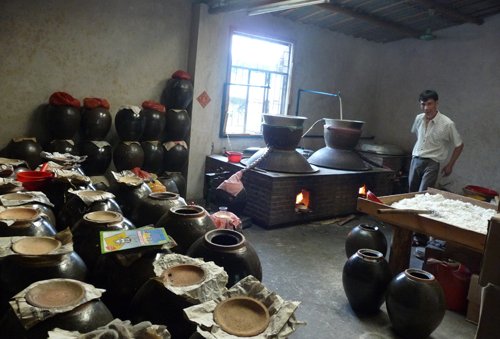
Baijiu Distillery in ZengCheng City | Photo credit: Wikimedia Commons
Baijiu Distillery in ZengCheng City | Photo credit: Wikimedia Commons
Unlike Western spirits, which are typically fermented in liquid form using cultivated yeast, baijiu relies on solid-state fermentation using qū, a traditional fermentation starter rich in wild microorganisms.
“In short, Western grain alcohols are usually fermented in a liquid form using cultured yeast, whereas Chinese grain alcohols are fermented in a solid state using wild yeast and other microorganisms,” explains Derek Sandhaus, a baijiu historian and author.
The result is a spirit with intensely layered and often unfamiliar flavour profiles, broadly categorised into four major aroma styles: strong, sauce, light and rice. Each presents a radically different sensory experience, from fruity and floral to savoury, umami-rich and deeply pungent.
For newcomers, this can be both intriguing and overwhelming. “Compared to vodka, baijiu can be ‘heavy and very thick’,” says Zhu Yingcai, head of sales and marketing at Shede Spirits.
At the same time, bartenders who have worked with the spirit point to its complexity as a strength. Baijiu is “extremely aromatic,” says Patrick Smith, senior beverage manager at Manhatta in New York, noting that even unopened bottles release a powerful fragrance.
Reinventing the Spirit
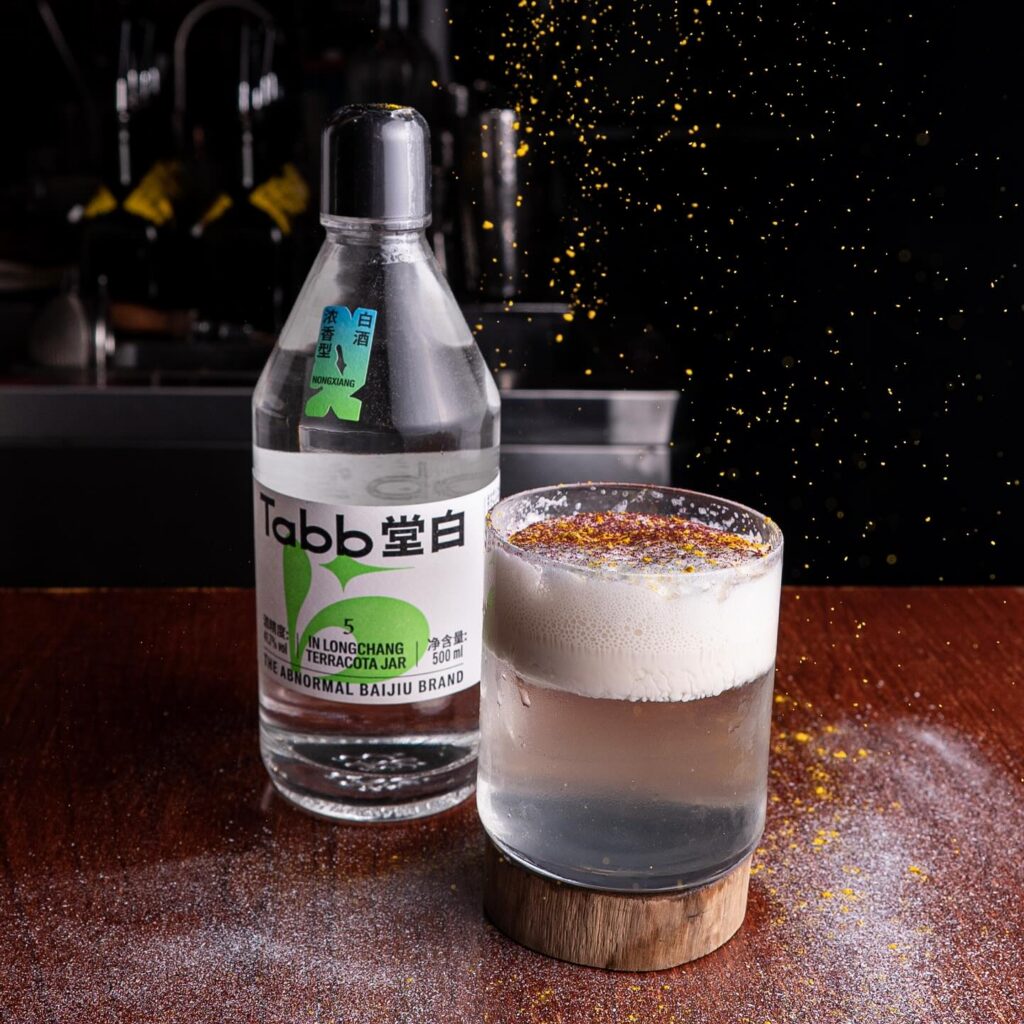
Baijiu based Cocktail | Photo credit:SanYou Modern Baijiu Cocktail Bar
Baijiu based Cocktail | Photo credit:SanYou Modern Baijiu Cocktail Bar
To bridge that gap, producers are beginning to adapt. Major distillers are experimenting with softer, more approachable expressions tailored to international palates, while also investing in branding, packaging and digital marketing strategies that resonate beyond China. Some are hosting global tasting sessions to refine flavour profiles, while others are exploring collaborations with international drinks groups.
Partnerships are also emerging as a key strategy. Chinese producer Wuliangye, for example, has partnered with Italian spirits group Campari to co-develop products and promote baijiu in global markets, including a baijiu-based twist on the classic Negroni.
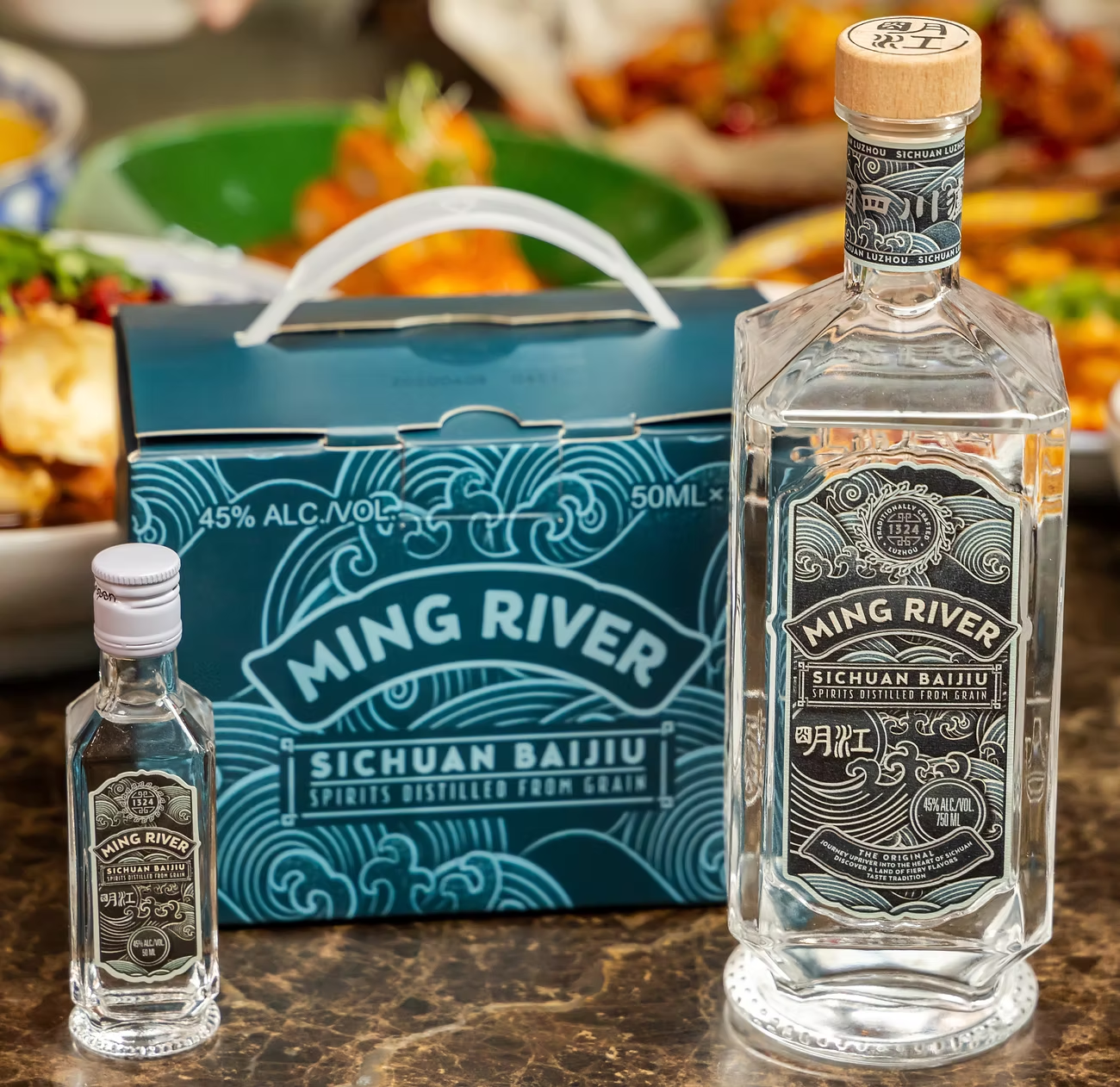
Ming River is a baijiu brand developed specifically for the international bar scene | Photo credit: Ming River
Ming River is a baijiu brand developed specifically for the international bar scene | Photo credit: Ming River
Meanwhile, brands such as Ming River, developed in partnership with a historic Sichuan distillery, have taken a more targeted approach, positioning baijiu specifically for the international bar scene. Today, Ming River is distributed across multiple markets, from the United States to Europe, with placements in bars, restaurants and retail chains.
Yet even as brands modernise, structural challenges remain. Premium baijiu, often priced at several hundred dollars per bottle, can be a difficult sell in unfamiliar markets. Historically, many producers have focused on exporting high-end expressions, limiting accessibility for first-time drinkers and slowing broader adoption.
Cocktail Culture as a Gateway
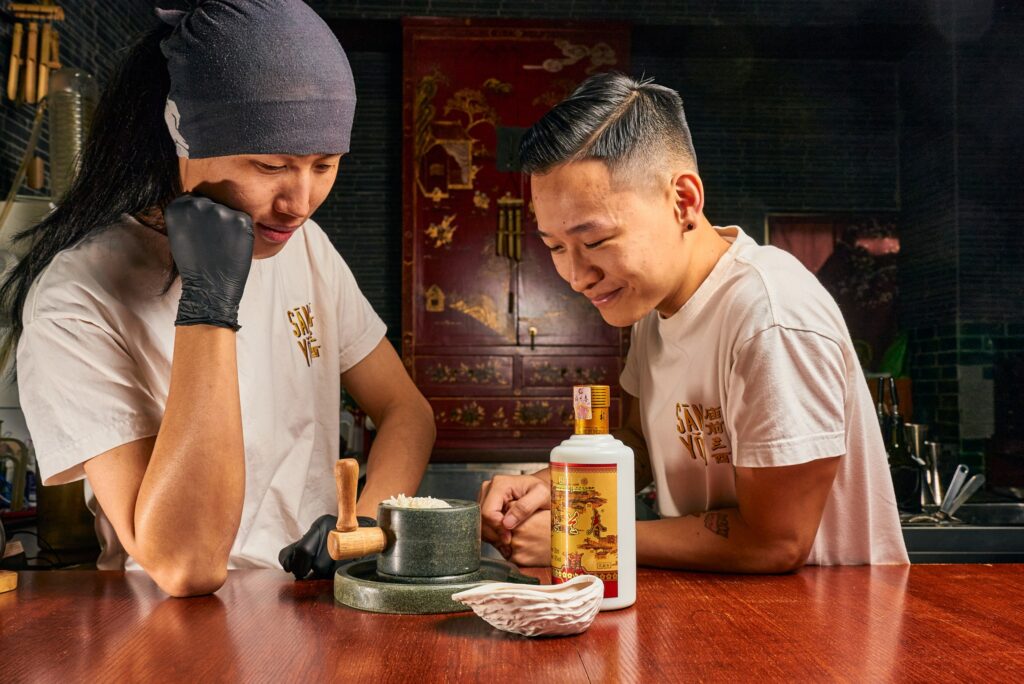
Photo credit: SanYou Modern Baijiu Cocktail Bar
Photo credit: SanYou Modern Baijiu Cocktail Bar
If baijiu is to gain global traction, many believe the answer lies behind the bar. From New York to Seattle, a growing number of bartenders are experimenting with baijiu as both a base spirit and a modifier, integrating it into familiar formats to make it more approachable.
“I use baijiu as a modifier, not a base spirit,” says Tracy Eustaquio, who expanded the baijiu-led cocktail programme at Queen’s English in Washington, D.C. “I took inspiration from existing cocktails, analysing the flavour profiles and making sure baijiu would fit in.”
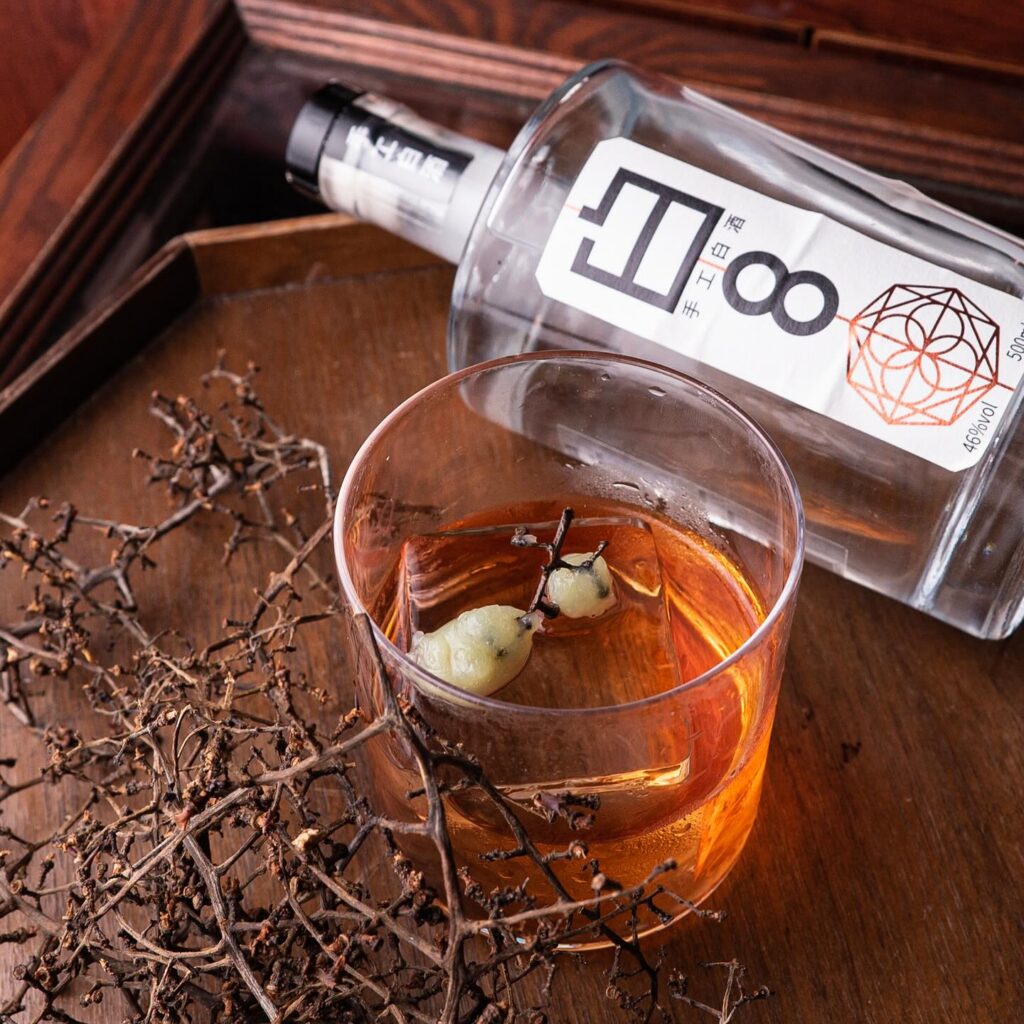
Bartender Ashley Mac similarly points to the spirit’s layered profile, describing baijiu as starting with “tropical fruitiness” and “floral” notes, often finishing with a distinctive “funk.” In her cocktail development work, she has used ingredients such as jujube dates to highlight these characteristics in more accessible formats.
Baijiu based Cocktail | Photo credit: SanYou Modern Baijiu Cocktail Bar
Baijiu based Cocktail | Photo credit: SanYou Modern Baijiu Cocktail Bar
For many operators, the appeal lies in both versatility and discovery. “Bartenders are the gatekeepers of all things alcohol,” says Derek Sandhaus, author of the book Drunk in China and co-founder of Ming River. “Any time someone that’s a trusted authority on good, delicious drinks can help get a product in front of people, that can help promote interest in a spirit—and baijiu is no exception.”
Educating the Trade
Despite growing interest, one of the category’s biggest barriers remains education. “The future of baijiu lies with cocktail bars,” says Bastien Ciocca, co-founder of Guangzhou-based bar Sanyou. “But brands need to prioritise branding, bottle design and training materials” to better engage bartenders and younger consumers.
Unlike whisky or tequila, which have well-established global narratives, baijiu has historically been marketed through heritage and status, often tied to formal banquets and business culture. This positioning has limited its resonance with a new generation of drinkers.
To address this, industry players are beginning to invest in bartender education, tastings and global collaborations aimed at demystifying the category.
“There’s something to be said about preserving the traditional Chinese ritual,” says Lucas Sin, chef and co-founder of Junzi Kitchen in New York, “but I’m also a fan of creative applications of the spirit in contexts beyond what would strictly be ‘traditional’.”
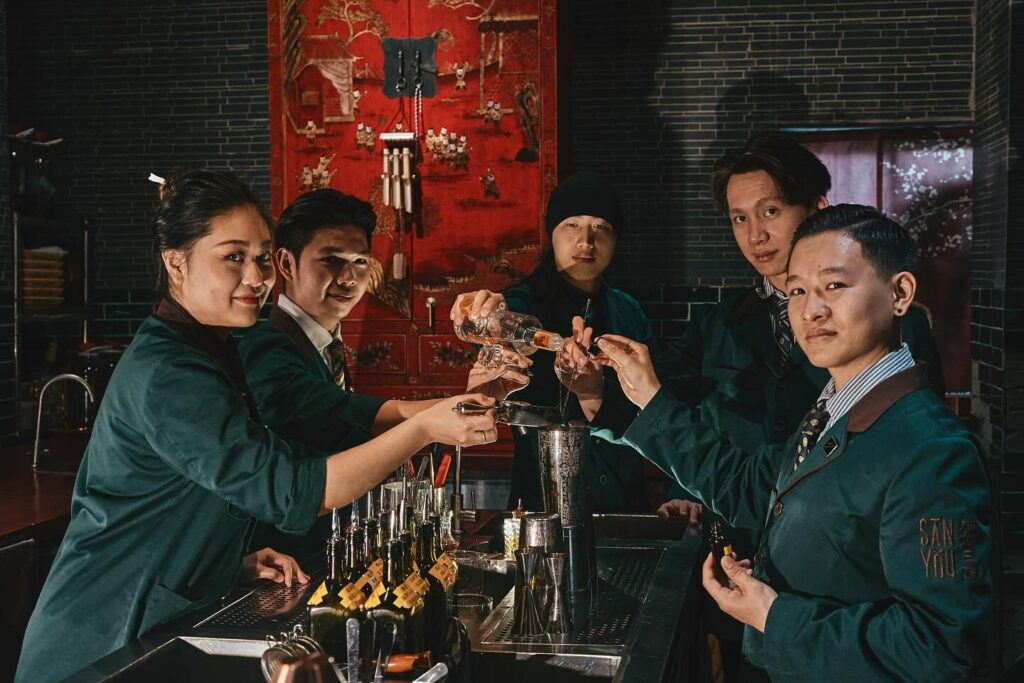
Photo credit: SanYou Modern Baijiu Cocktail Bar
Photo credit: SanYou Modern Baijiu Cocktail Bar
Beyond the Diaspora
For now, baijiu’s strongest international foothold remains within markets with significant Chinese communities. But there are indications that this is beginning to change.
As Asian cuisines gain global prominence, and as diners become more open to bold, unfamiliar flavours, baijiu is gaining new traction. Bartenders and restaurateurs are increasingly positioning it not just as a cultural artefact, but as a versatile, contemporary spirit.
Across the United States, baijiu is appearing in tasting flights, cocktail menus and experimental infusions, introducing the spirit to new audiences one glass at a time.

Baijiu’s strongest international foothold remains within markets with significant Chinese communities | Photo credit: Pexels
Baijiu’s strongest international foothold remains within markets with significant Chinese communities | Photo credit: Pexels
The Long Pour
Baijiu’s trajectory mirrors that of once-niche spirits such as mezcal, amaro and aged rum, which gained international traction through bartender advocacy, accessible entry points and sustained education.
The foundations are already in place: a category with immense scale, a growing network of engaged bartenders, and a global dining landscape increasingly receptive to Asian flavours.
Whether baijiu can move from curiosity to category will depend less on its flavour, which many who try it find compelling, and more on how effectively it is positioned for new audiences.
For now, it remains in transition: deeply rooted in tradition, yet gradually reshaped for a global stage. The opportunity is there. The work, as ever, lies in the storytelling.


Photo credit: Ming River
Author: Michelle Yee
A content and communications professional, Michelle spent more than a decade creating content for several leading media titles, including Lonely Planet Asia, Yahoo Singapore, and Wine & Dine. After leaving the media industry in 2019, she has been honing her craft at a global communications agency where she helps develop and drive publicity campaigns for brands in the consumer and corporate sectors.