

How Vietnam’s Sơn Tinh Distilled an Ancient Rice Liquor into a Craft Spirit of Global Standards
From a village craft to an award-winning global spirit, Sơn Tinh reinvents Vietnamese rice liquor by blending heritage, innovation, and national identity to stake its claim in the premium spirits market.
13 May 2026
Share this exclusive content from Saladplate
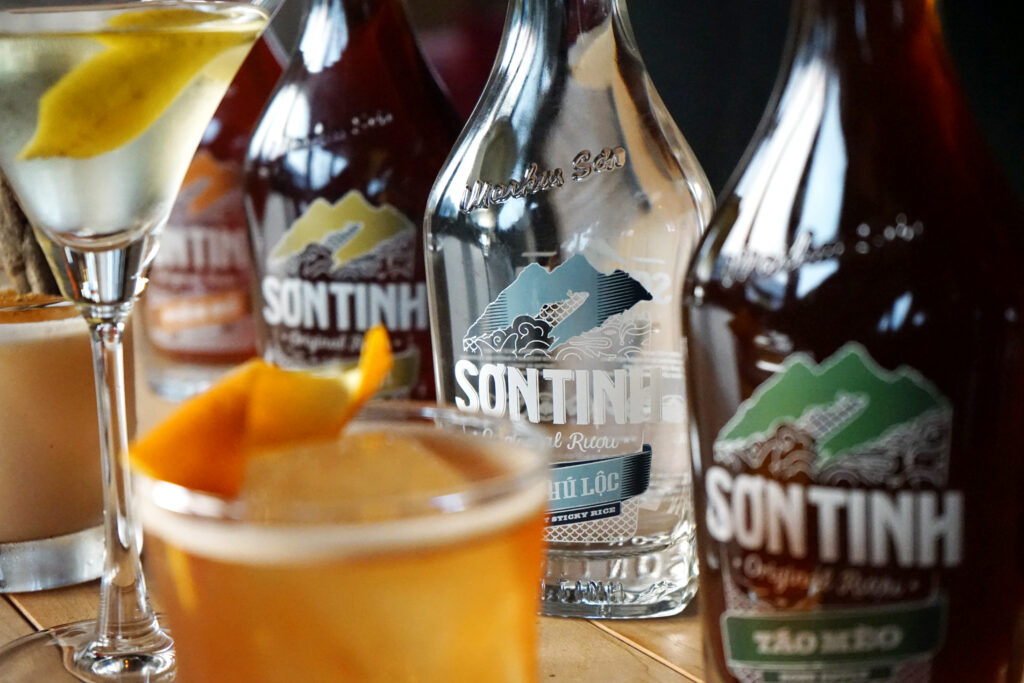
Vietnam’s first internationally awarded rice liquor, Sơn Tinh | Photo credit: Sơn Tinh
Vietnam’s first internationally awarded rice liquor, Sơn Tinh | Photo credit: Sơn Tinh
You may never have heard of rượu: a high-proof rice liquor, often north of 40% ABV, fermented and distilled in villages where the recipe travels by memory, not measurement. It is elemental, unadorned, and almost entirely unknown outside the country. Which is precisely what makes Sơn Tinh‘s work so remarkable.
The founders seek to redefine what it means to turn tradition into modern luxury. As Vietnam’s first internationally awarded rice liquor, Sơn Tinh isn’t just another entry in the crowded global spirits market but represents a cultural renaissance that’s putting Vietnamese craftsmanship on the world drinking map.
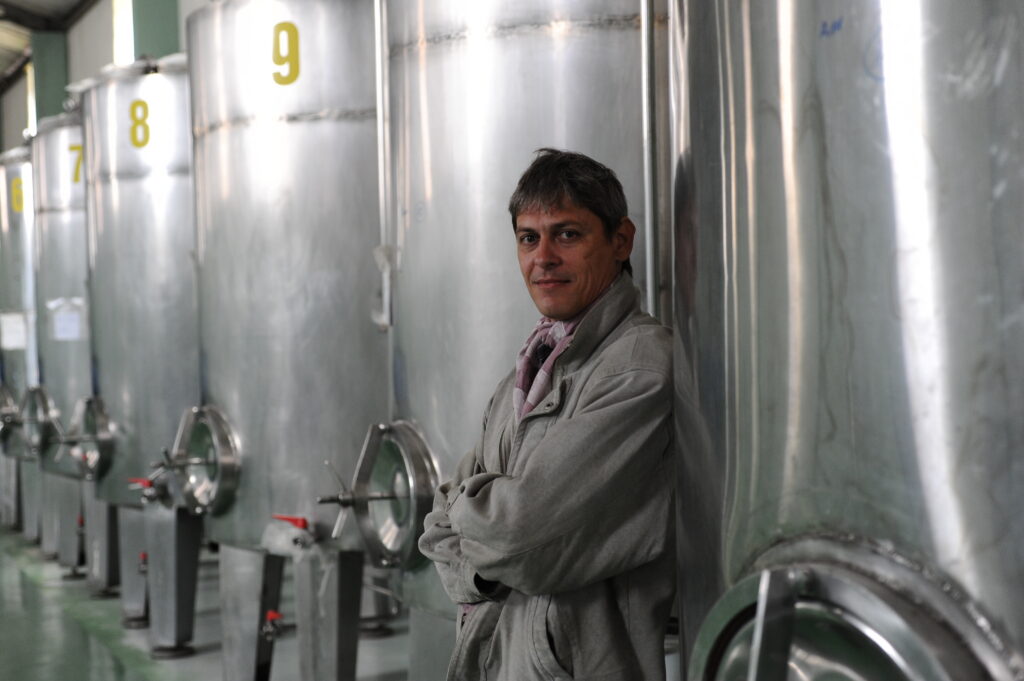
Founded by Swiss anthropologist–turned–master distiller Markus Madeja | Photo credit: Sơn Tinh
Founded by Swiss anthropologist–turned–master distiller Markus Madeja | Photo credit: Sơn Tinh
Founded by Swiss anthropologist–turned–master distiller Markus Madeja, Sơn Tinh began not as a business plan, but as an exploration of Vietnam’s cultural essence. Fascinated by the complexity of traditional rượu he began experimenting with local herbs, later refining the base spirit using modern distillation principles. Drawn in by the complexity of traditional rượu Madeja began experimenting with local herbs. A visit to his wife’s home village of Phú Lộc, long celebrated for its fragrant, sticky-rice liquor, proved transformative. For generations, villagers had produced rice spirit using traditional distillation methods and then feeding the spent grain to pigs, providing families with a vital source of income. Inspired by these age-old techniques, Madeja set out to craft a liquor that meets the precision, consistency, and quality standards required by international markets, without losing the spirit and soul he experienced in Phú Lộc.
“I never had the goal to create a brand,’’ said Madeja. “When I soaked my first herbal packages in rượu, it was all for fun. I was fascinated by the incredible complexity of this tradition and thought that the best way to find out more about it was to do it myself.’’ Madeja developed his own herbal blends using ingredients he picked up at mountain markets during motorbike trips.
By 1999, the first bottles of Sơn Tinh were being tested at Hanoi’s Highway4, a bar co-founded to introduce Vietnamese diners to premium, locally made spirits. The response was resoundingly positive. What began as a living room hobby evolved into Vietnam’s pioneering craft distillery, complete with an imported German copper still.
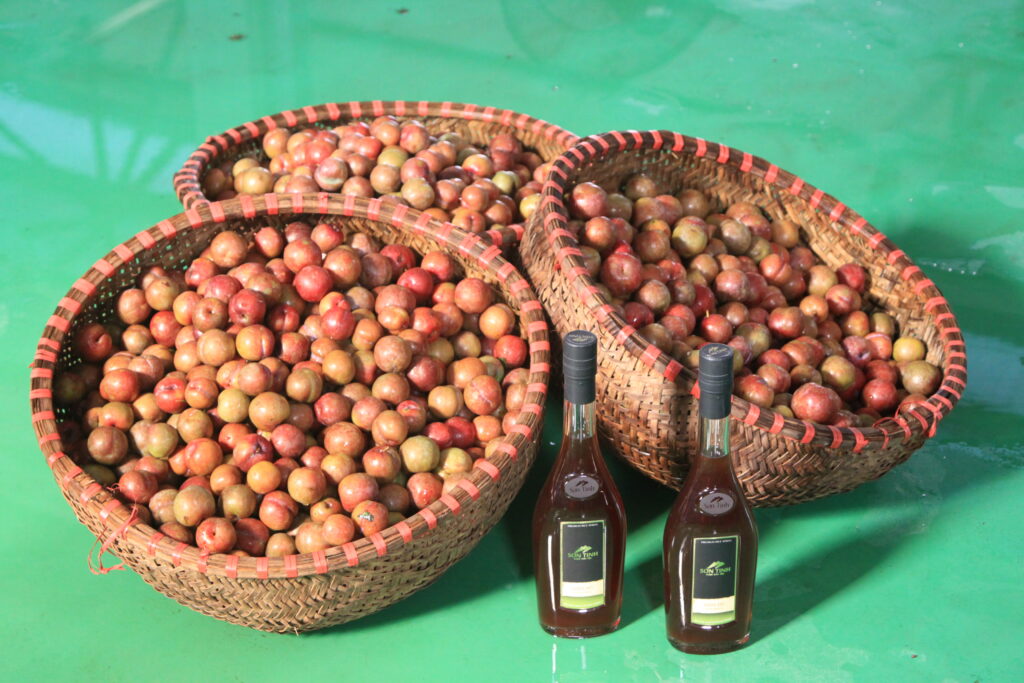
Crafted with age-old distillation methods and refined with the precision and consistency that international markets demand | Photo Credit: Sơn Tinh
Crafted with age-old distillation methods and refined with the precision and consistency that international markets demand | Photo credit: Sơn Tinh
Defining a New Category for Vietnamese Spirits
Today, Sơn Tinh’s twelve expressions, ranging from the floral Nếp Phú Lộc to the fruit-forward Táo Mèo (rose apple) and Mơ Vàng (apricot), showcase Vietnam’s abundance of sticky rice varieties, herbs and regional fruits. And the world has taken notice. The distillery has earned international accolades, including Gold Medals from the New York International Spirits Competition, the Craft Spirits Awards, the World Spirits Awards in Austria and the Beverage Tasting Institute in Chicago.
Sơn Tinh’s aromatic rice spirit resisted every familiar reference point: it wasn’t vodka, it wasn’t sake, it bore no real kinship with soju. At the Asian Spirits Masters in 2012, rather than force it into an existing bracket, the judges did something far more significant: they recognised rượu as a category in its own right. For a spirit that had been quietly distilled in Vietnamese villages for generations, it was a long-overdue moment of formal acknowledgement.
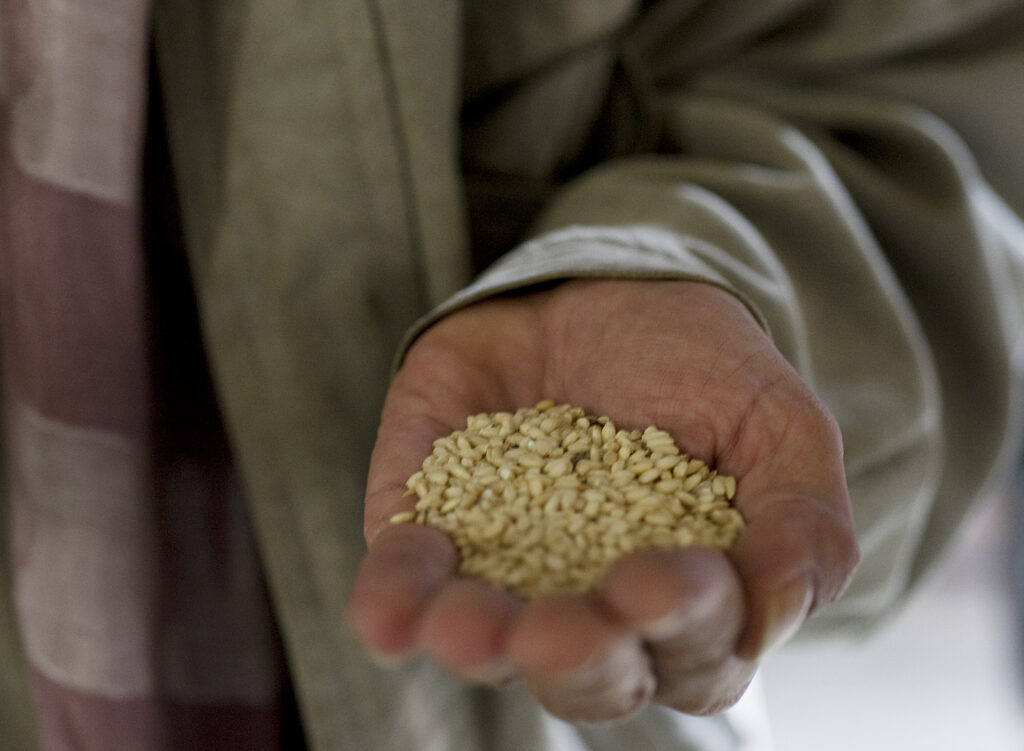
Sơn Tinh is working to reset that narrative by positioning itself as the country’s national spirit | Photo credit: Sơn Tinh
Sơn Tinh is working to reset that narrative by positioning itself as the country’s national spirit | Photo credit: Sơn Tinh
Pioneering Modern Vietnamese Craft
Madeja believes global success starts at home. For years, Vietnamese consumers equated quality with imported spirits such as whisky, cognac and Scotch, leaving local rice liquor overlooked. Sơn Tinh is working to reset that narrative by positioning itself as the country’s national spirit, an effort that relies as much on storytelling and tastings as on distribution.
“Vietnamese for a long time had a strong preference for anything foreign,” he notes. “That mindset is shifting as national pride and cultural confidence grow. Exposure and familiarity are key”, Madeja says, drawing parallels to Japan’s journey from exporting low-cost goods to today’s global prestige in cuisine and spirits. “Just as sake and sushi became symbols of refinement, Vietnamese rice liquor can follow a similar path.’’
Beyond education, Sơn Tinh faces the practical test of distribution in a market dominated by established Western spirits. Yet its differentiation in flavour complexity, heritage authenticity and small-batch craft methods has proven an asset. In a world increasingly drawn to artisanal and origin-driven brands, Sơn Tinh feels both contemporary and timeless.
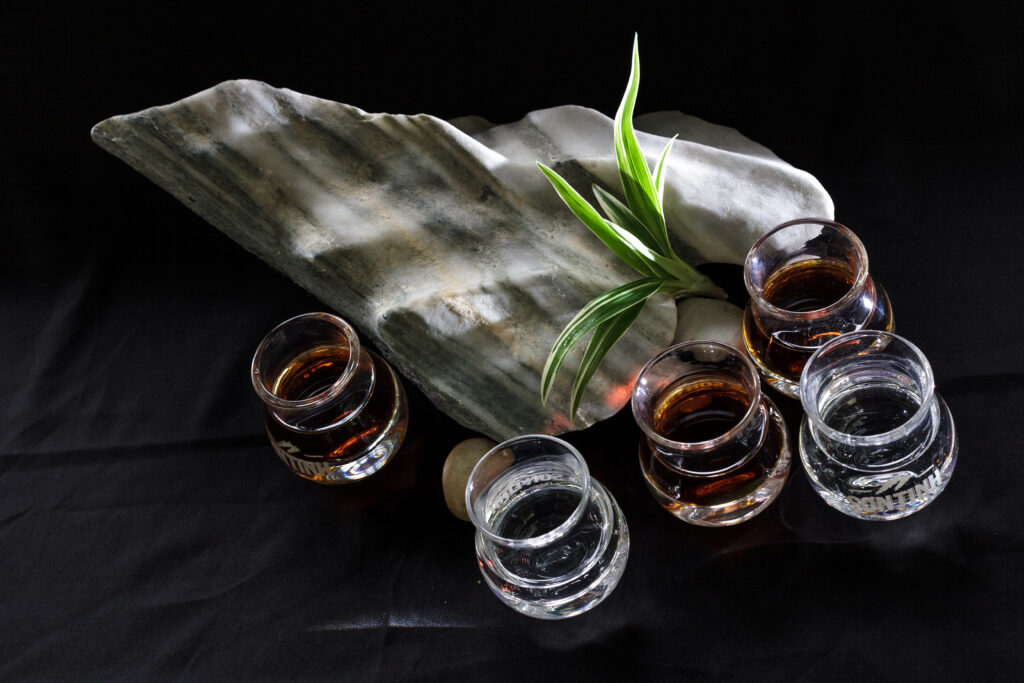
Sơn Tinh sees strong potential in East Asian markets, particularly Japan and China, where rice-based liquors are culturally familiar| Photo Credit: Sơn Tinh
Sơn Tinh sees strong potential in East Asian markets, particularly Japan and China, where rice-based liquors are culturally familiar| Photo credit: Sơn Tinh
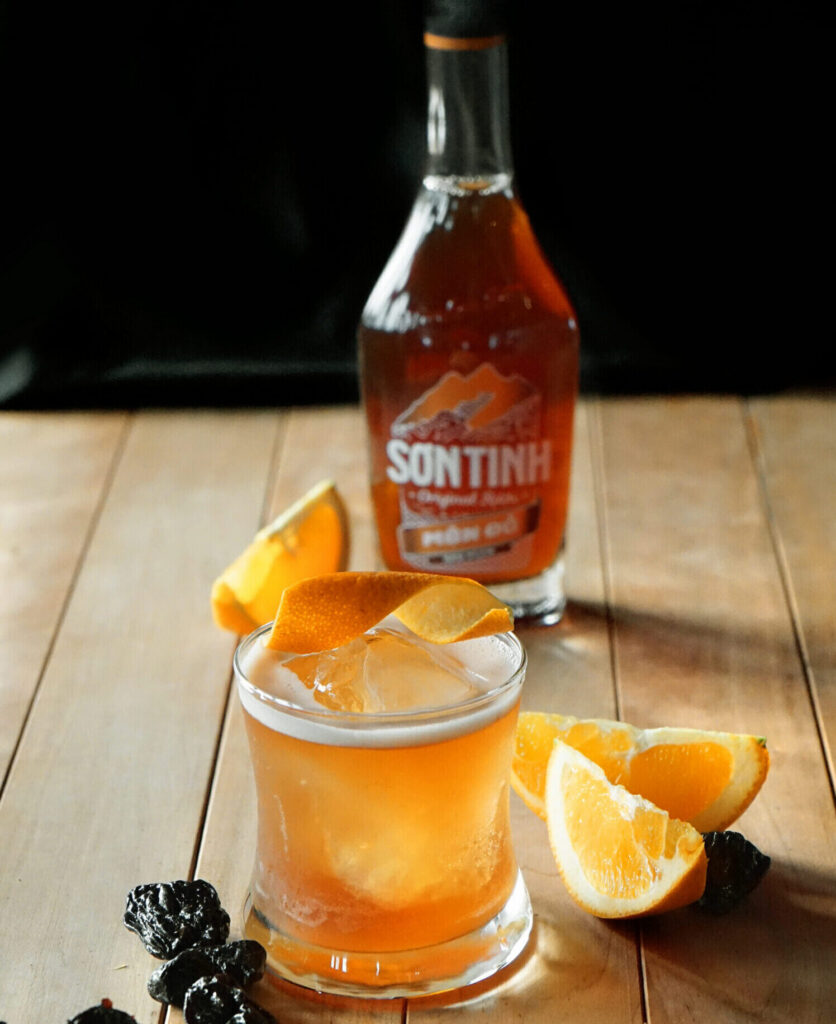
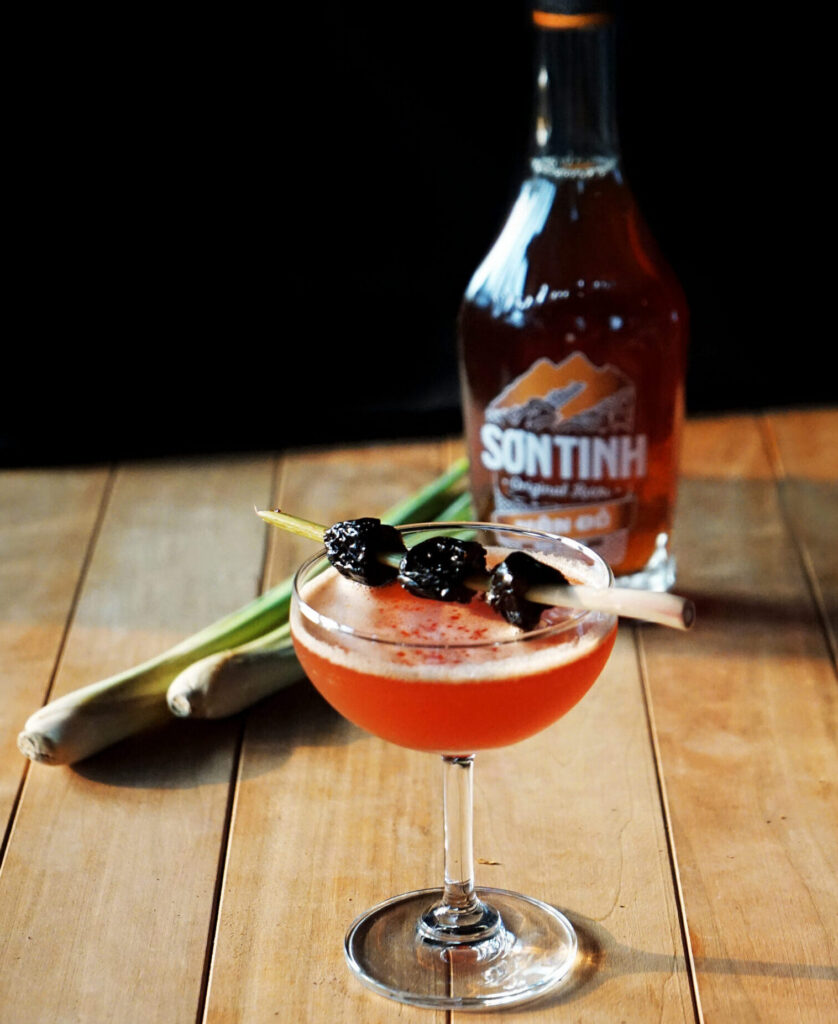
Founder Markus Madeja is hopeful that Sơn Tinh finds its way onto bar shelves across the globe | Photo credit: Sơn Tinh
Eyeing the Next Frontier
Looking ahead, Sơn Tinh sees strong potential in East Asian markets, particularly Japan and China, where rice-based liquors are culturally familiar and premium craft experiences are valued. With nearly half of Vietnam’s visitors coming from these countries, brand exposure and cultural crossover are steadily expanding. Still, true to its founding ethos, Sơn Tinh’s mission remains clear: to modernise without erasing the past.
“Modernity is a process, extending traditions into the future rather than rejecting them,” Madeja says. As Sơn Tinh finds its way onto bar shelves from Hanoi to London, each bottle signals a quiet shift from a centuries-old craft to one that steps confidently into the world of contemporary premium spirits.
Founder Markus Madeja is hopeful that Sơn Tinh finds its way
onto bar shelves across the globe | Photo credit: Sơn Tinh
Founder Markus Madeja is hopeful that Sơn Tinh finds its way onto bar shelves across the globe | Photo credit: Sơn Tinh
Eyeing the Next Frontier
Looking ahead, Sơn Tinh sees strong potential in East Asian markets, particularly Japan and China, where rice-based liquors are culturally familiar and premium craft experiences are valued. With nearly half of Vietnam’s visitors coming from these countries, brand exposure and cultural crossover are steadily expanding. Still, true to its founding ethos, Sơn Tinh’s mission remains clear: to modernise without erasing the past.
“Modernity is a process, extending traditions into the future rather than rejecting them,” Madeja says. As Sơn Tinh finds its way onto bar shelves from Hanoi to London, each bottle signals a quiet shift from a centuries-old craft to one that steps confidently into the world of contemporary premium spirits.

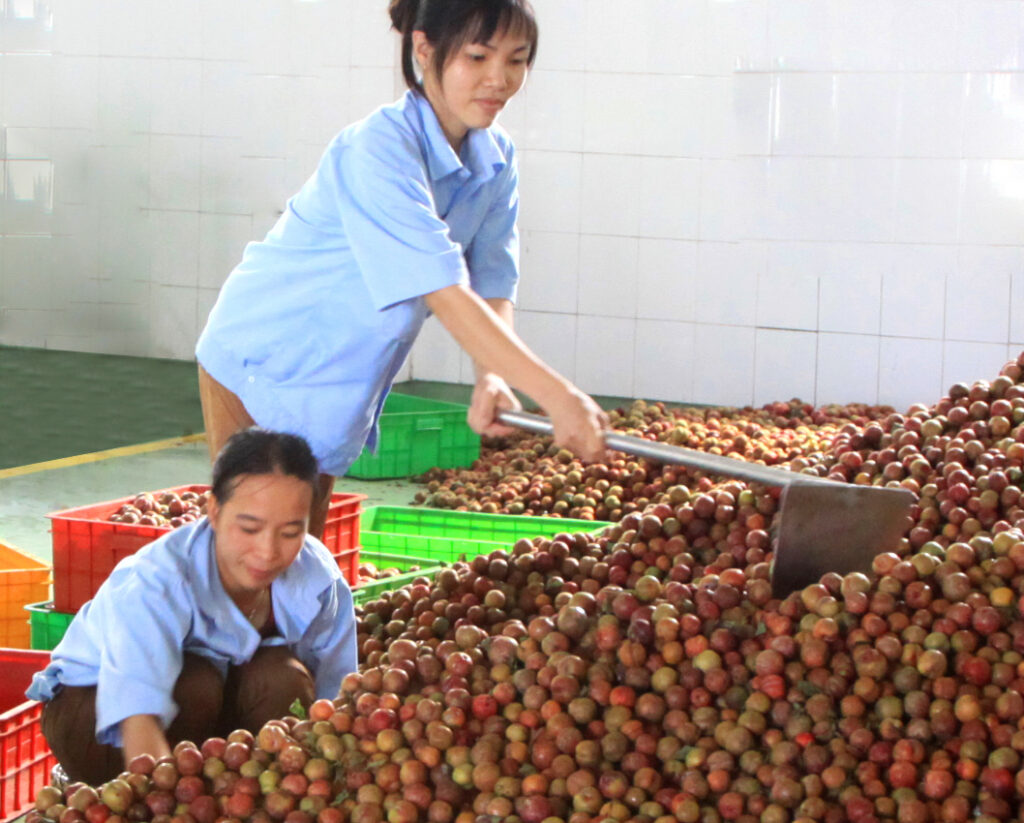
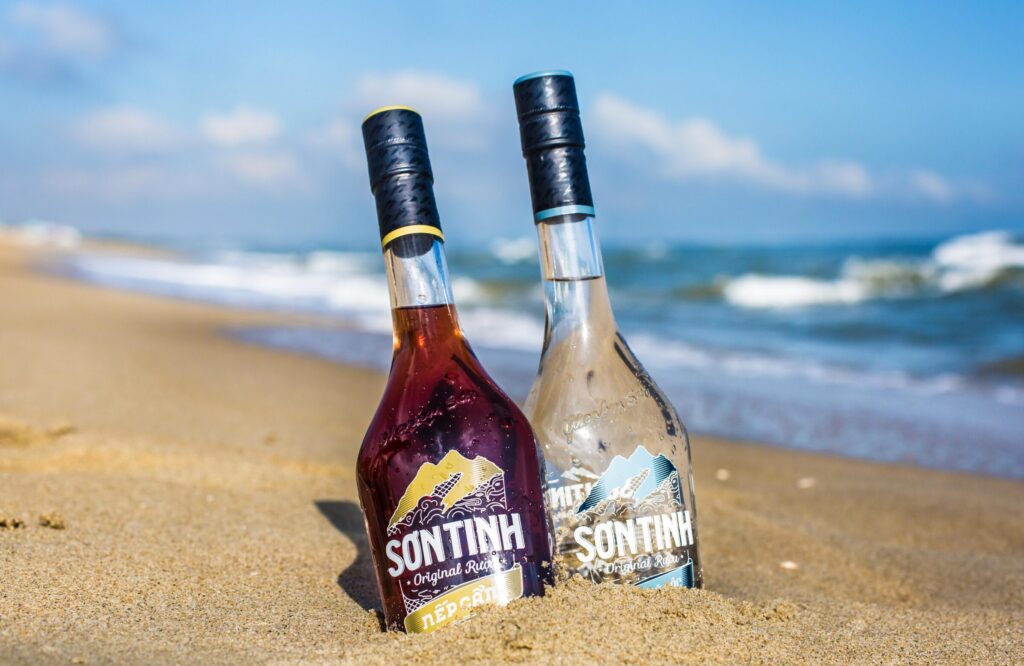
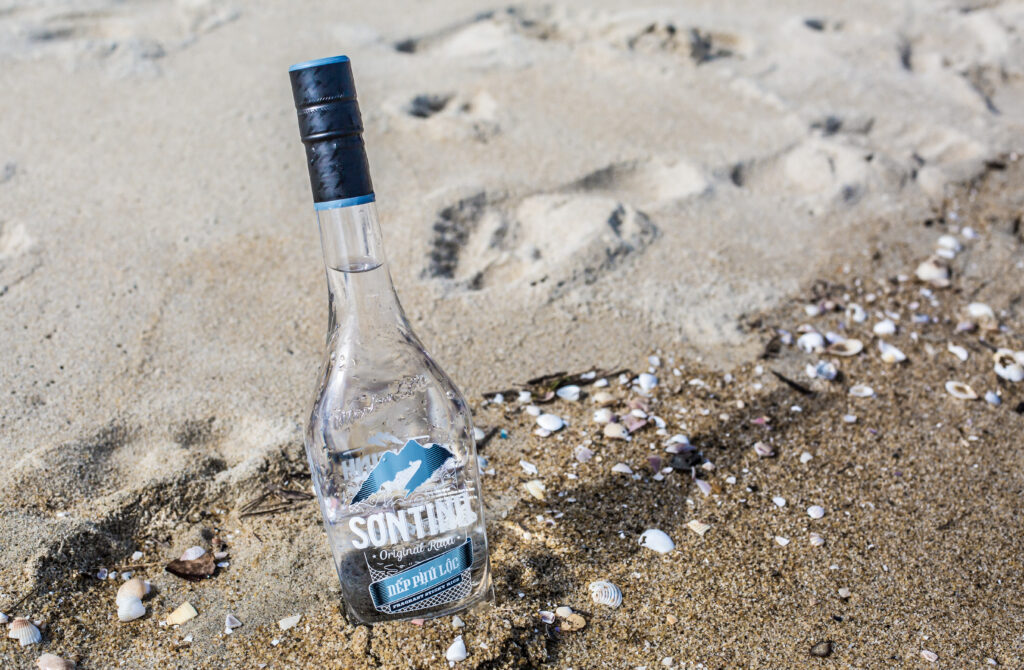
Photo credit: Sơn Tinh
Author: Pooja Thakur
Pooja Thakur is a senior journalist, writer, and editor with over 20 years of experience in print and digital media and in creating custom content for periodicals. She has been a long-serving senior reporter at Bloomberg News covering areas such as real estate, stocks and personal finance and investing across markets with a focus on Southeast Asia and India. In her free time, she enjoys scuba diving, rucking and finding the newest watering hole in town.