

Salud Beverages Is The Lifestyle Brand Behind India’s Ready-To-Drink Alcobev Movement
Young, urban consumers and new alcohol explorers are fuelling demand for RTD alcohol formats that suit modern lifestyles.
27 January 2026
Share this exclusive content from Saladplate

Karnataka-based Salud frames itself as a lifestyle platform and not just an alcobev brand | Photo credit: Salud
Karnataka-based Salud frames itself as a lifestyle platform and not just an alcobev brand | Photo Credit: Salud
The global pre-mixed ready-to-drink (RTD) alcohol market is on a steady upward curve. Valued at USD 39.1 billion in 2026, it is forecast to reach USD 63.0 billion by 2036, growing at a 5% compound annual growth rate (CAGR).
Convenience is a catalyst. Consumers, particularly younger drinkers, increasingly favour portable, portion-controlled beverages that don’t need glassware or mixing skills—even more so when marketed as lifestyle or luxury products. Essentially, this allows for cocktail-bar-style experiences without an actual bar.
This shift has led to canned cocktails, hard seltzers, and spirit-based mixes becoming mainstream across North America and Europe, and Asia Pacific is fast emerging as the next growth frontier.
Urban consumers, younger drinkers and first-time alcohol explorers are driving demand, drawn to this flavour-forward, lower-effort format that fits seamlessly into modern lifestyles.

Ajay Shetty is the founder of Salud Beverages, who foresaw the demand for “clear spirits with natural flavours” | Photo Credit: Salud
Ajay Shetty is the founder of Salud Beverages, who foresaw the demand for “clear spirits with natural flavours” | Photo credit: Salud
India, long a spirits-dominant market, is now warming up to RTDs in earnest.
While the category was once dominated by coloured and heavily flavoured RTD beverages like Bacardi Breezer, today’s landscape is significantly more experimental and is heading towards “clear spirits with natural flavours”, says Ajay Shetty, founder of Salud Beverages, in an online interview. As younger consumers in major cities become more confident in their choices, RTDs have become a natural entry point.
Salud Beverages is a Karnataka-based startup carving out a distinctive space in India’s evolving RTD ecosystem. Rather than positioning itself purely as an alcohol brand, Salud frames itself as a lifestyle platform. Beverages, fashion and music all orbit the same idea: building community and culture around how people drink.
Salud first made waves with Salud G&T 2.0, billed as India’s first bottled gin and tonic. Distilled in Goa and available in Original, Cucumber and Lavender, the product now retails in over 500 outlets across Karnataka, with more than 250,000 bottles sold to date. Expansion into Goa, Odisha and additional Indian markets is already underway, supported by a USD 1.1 million funding round that included actor Rana Daggubati, former Microsoft India MD Srinivas Koppolu and Anthill Ventures.
The capital has enabled broader portfolio ambitions. Salud has introduced Salud Fiesta, India’s first agave-based cocktail in a bottle, and Salud Strong Cranberry, a bolder, gin-based RTD layered with herbs, botanicals and citrus. These launches tap into two clear consumer signals: a growing interest in fruit-forward, refreshing profiles, and a shift towards lower-strength alternatives that still deliver flavour complexity.

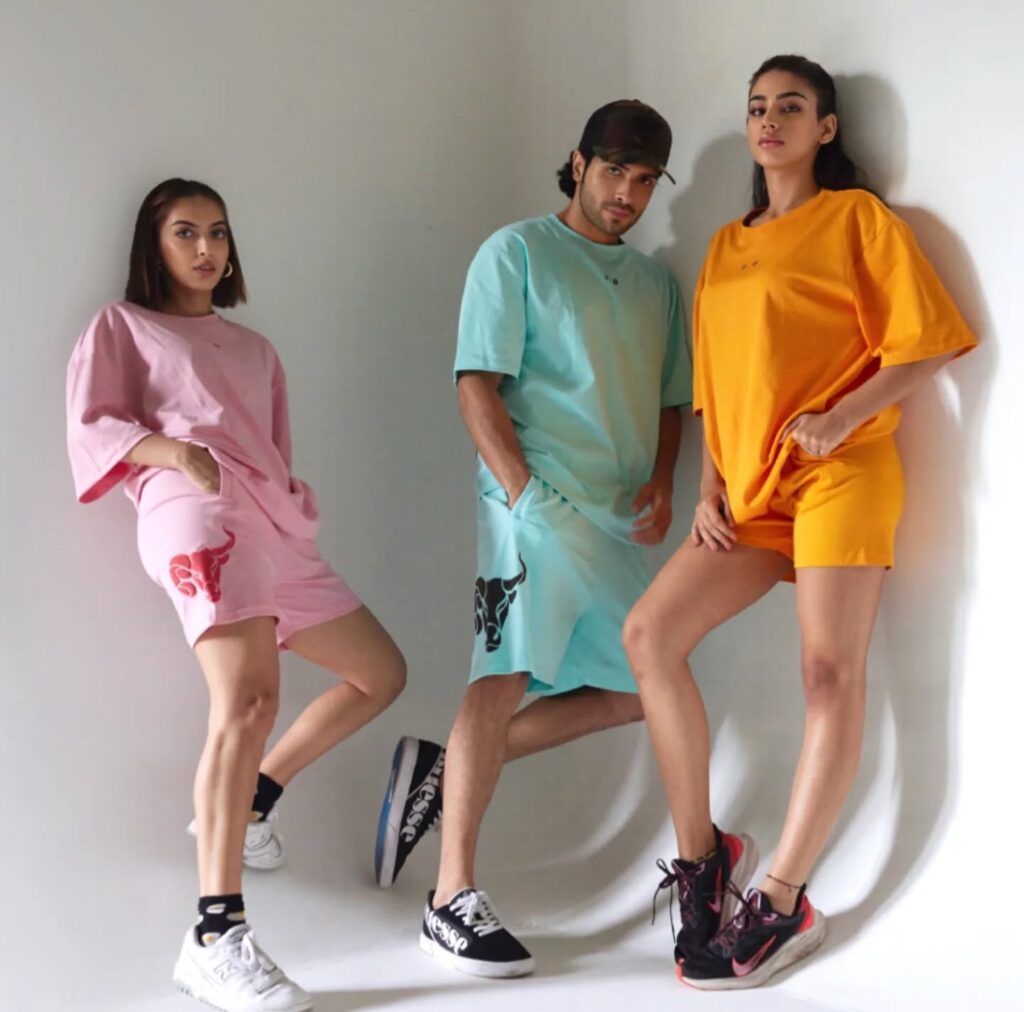

Salud Merch is their fashion products and accessories line and forms an integral part of the Salud ecosystem | Photo Credit: Salud
Salud Merch is their fashion products and accessories line and forms an integral part of the Salud ecosystem | Photo credit: Salud
Globally, similar trends are playing out. North America continues to dominate RTD consumption thanks to a mature hard seltzer segment and deep retail penetration. Europe is leaning into canned cocktails and spritz-style drinks, while Asia Pacific is embracing Western RTD formats. It’s no coincidence that major players are paying attention — India’s Varun Beverages’ reported discussions with their bottling partner PepsiCo to enter India’s alcoholic RTD market indicate serious intent from global brands.
What sets Salud apart is its insistence on experience-led brand building. Alongside beverages, the company has launched Salud Merch, a fashion and accessories line, and Salud Sessions, a music label collaborating with DJs across India. It’s a strategy that reflects global lifestyle brands more than traditional alcohol companies, and one that appeals to a generation that values identity as much as taste.

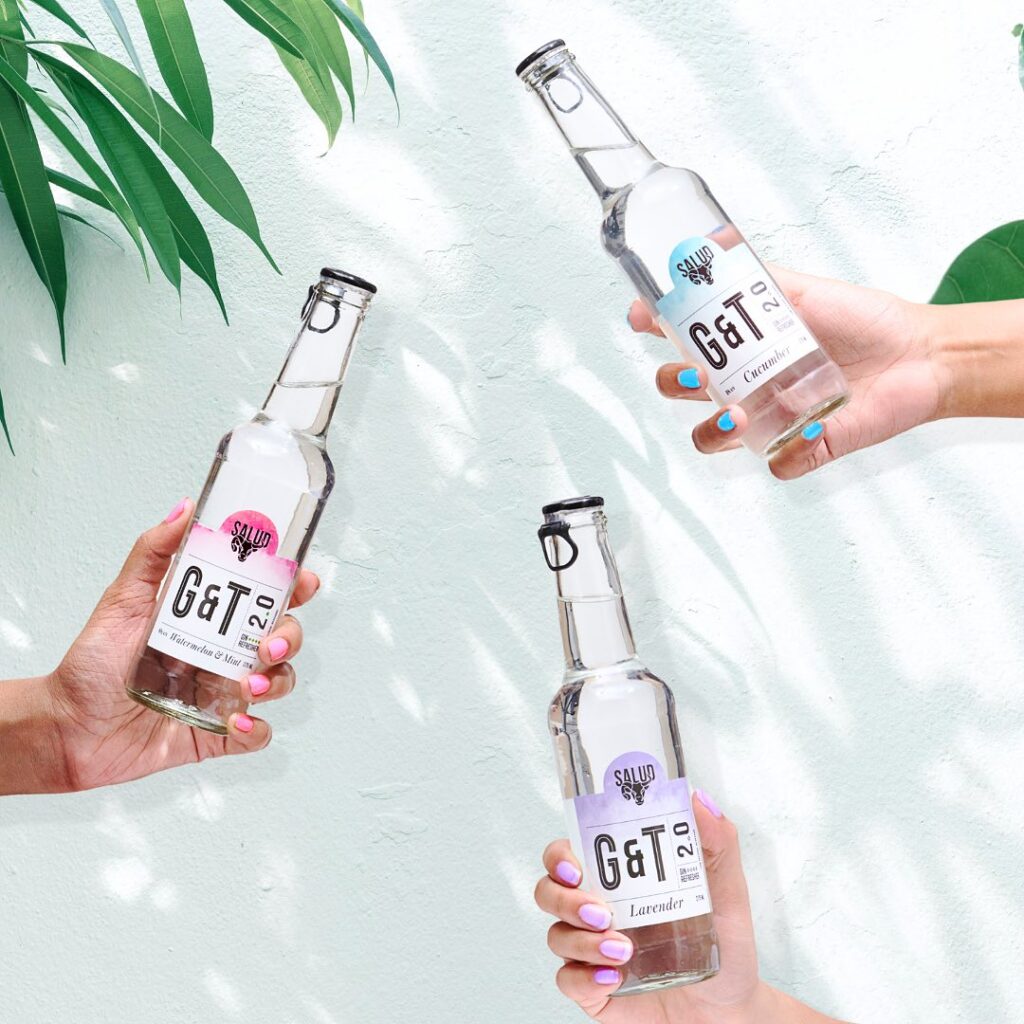
Their long-term ambition is to put India on the global map for bottled cocktails, while building a loyal, community-driven consumer base | Photo Credit: Salud
Their long-term ambition is to put India on the global map for bottled cocktails, while building a loyal, community-driven consumer base
| Photo credit: Salud
Founder-Director Ajay Shetty has been vocal about Salud’s long-term ambition: to put India on the global map for bottled cocktails, craft spirits and non-alcoholic beverages, while building a loyal, community-driven consumer base. International expansion into the Middle East and Europe is already on the horizon.
As RTDs become the drink of choice for everyone from millennials to seasoned connoisseurs, brands like Salud suggest that the future of Indian drinking culture may well be bottled — chilled, flavour-forward and ready when you are.

Photo Credit: Salud
Photo credit: Salud
Author: Priyanka C. Agarwal
Priyanka is a writer, editor and storyteller. Her words have appeared on the print and online pages of The South China Morning Post, SilverKris, Her World, The Michelin Guide, Time Out, and more. She has also created custom content for leading brands like Sentosa, Mediacorp Special Projects, Asia’s 50 Best, IKEA, and Meat and Livestock Australia. Her expertise includes food and drink, wellness, luxury and travel.