

T’LUR Caviar Is Malaysia’s Premium Sturgeon Roe Producer
Can Malaysian-made caviar hold its own on the global culinary stage?
2 February 2026
Share this exclusive content from Saladplate
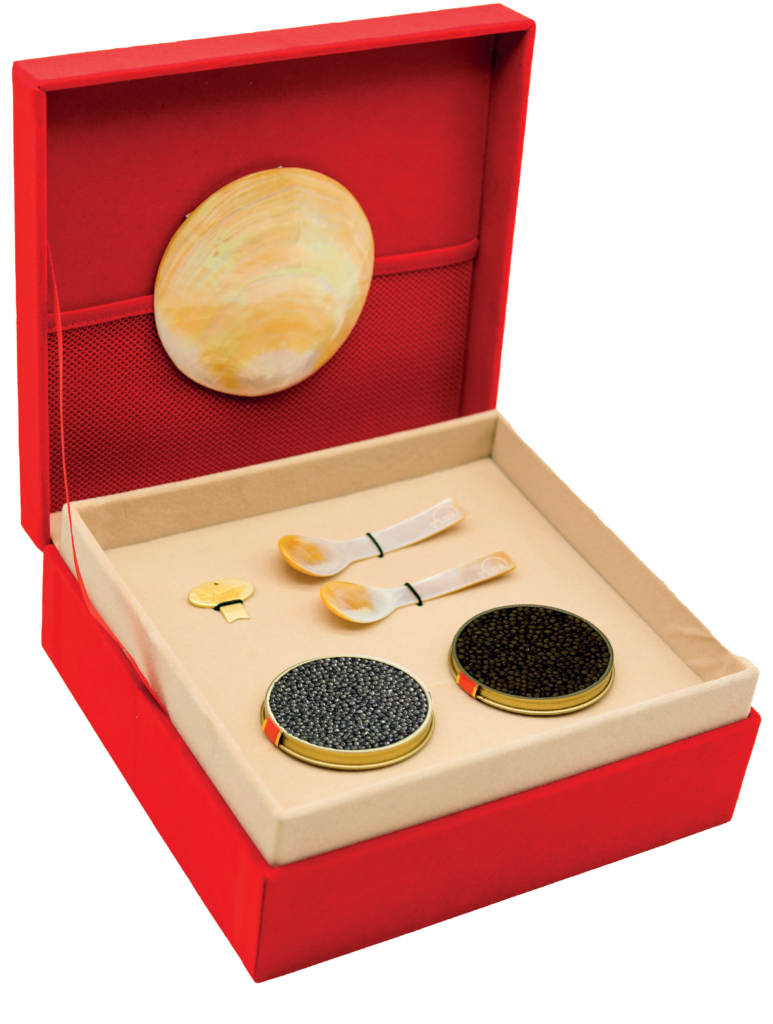
Photo credit: T’LUR Caviar
Photo Credit: T’LUR Caviar
Think of caviar, and one associates its origin with the Caspian and Black Sea, cold-water rivers, and European heritage. Caviar comes from the salt-cured eggs of sturgeon fish.
T’LUR’s origins are resolutely technical. Since its founding in 2009, the business has invested more than a decade in aquaculture R&D, adapting international best practices to Malaysia’s climate and water systems. The result is a vertically integrated operation with full traceability, a sustainability-led framework, and a product designed to meet modern trade expectations rather than legacy narratives.
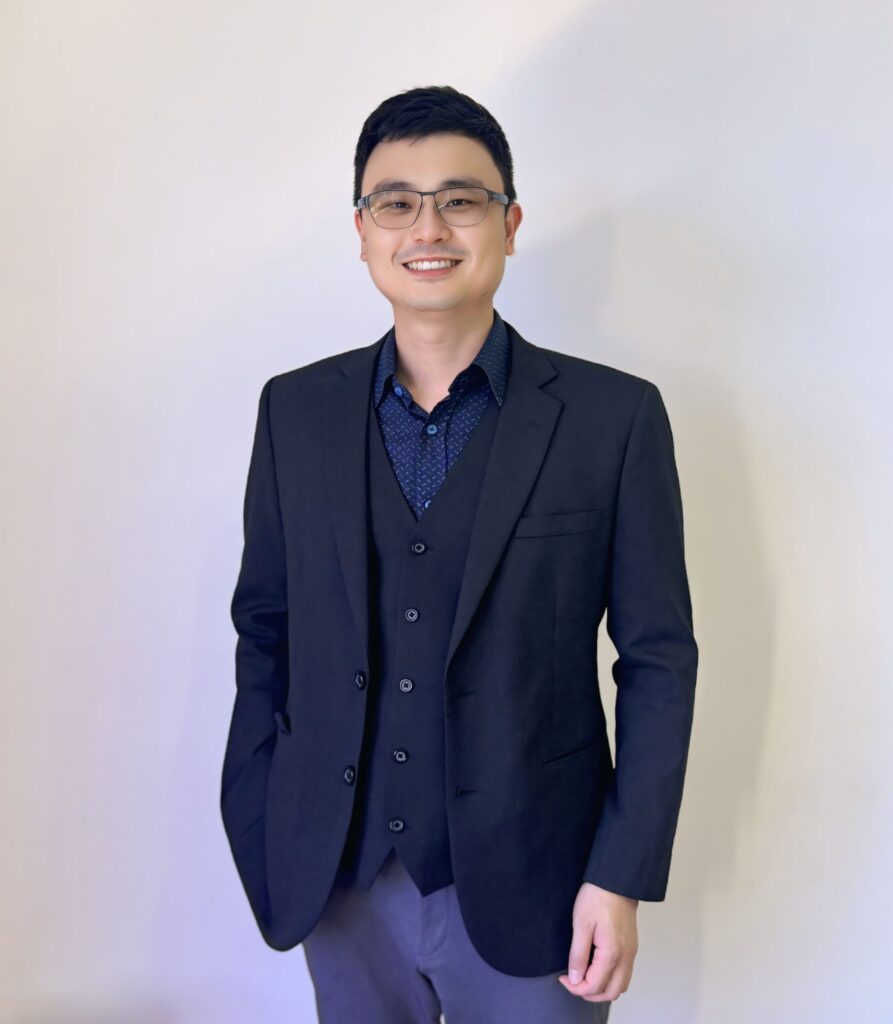
T’LUR’s Director, AJ Lim | Photo credit: T’LUR Caviar
T’LUR’s Director, AJ Lim | Photo credit: T’LUR Caviar
Traditional caviar-producing nations include Russia, Iran, France, and Italy, but it is now also farmed globally from various sturgeon species. In recent years, China has become the world’s leading producer of caviar.
Malaysia, with its equatorial climate and palm-lined coastlines, was never thought to be a player in the world’s caviar stage, yet quietly, and with considerable technical discipline, there is an attempt to reengineer that perception.
T’LUR Caviar is Malaysia’s first successful sturgeon farming initiative, founded not from a fine-dining pedigree but from aquaculture. AJ Lim, the company’s founder, entered the category through protein farming rather than gastronomy and gourmet caviar was not the original ambition. Following years of research into adapting sturgeon husbandry to tropical conditions, an unexpected discovery during routine inspections would ultimately lead to a commercial launch in 2019.
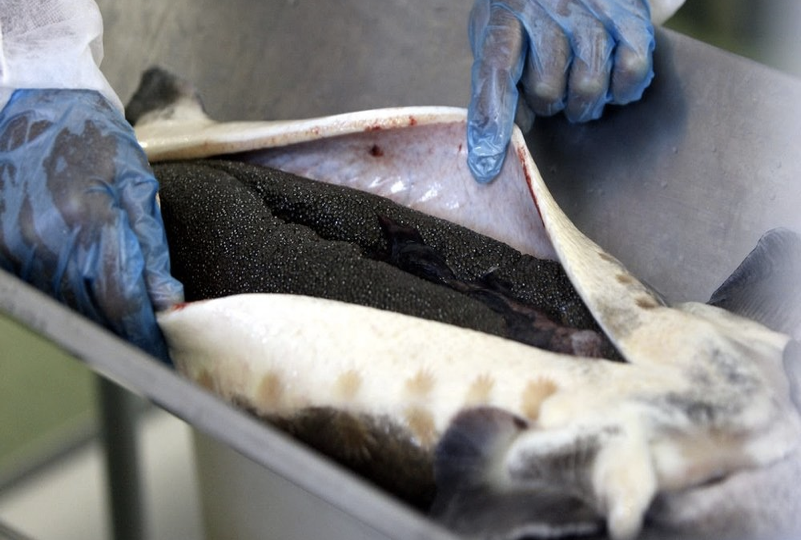
At T’LUR, sturgeon are acclimatised to Malaysia’s tropical climate and remain active year-round
| Photo credit: T’LUR Caviar
At T’LUR, sturgeon are acclimatised to Malaysia’s tropical climate and remain active year-round | Photo Credit: T’LUR Caviar
Market reception, initially cautious, has shifted decisively. Malaysia is not traditionally associated with caviar production, and early questions around quality were inevitable. However, once chefs and buyers experienced the product first-hand, perceptions changed quickly. Feedback has consistently focused on the caviar’s clean flavour, balanced salinity and refined texture. Pricing has been positioned within standard global benchmarks, with buyers noting strong value relative to quality, particularly in markets where sustainability and provenance carry commercial weight.
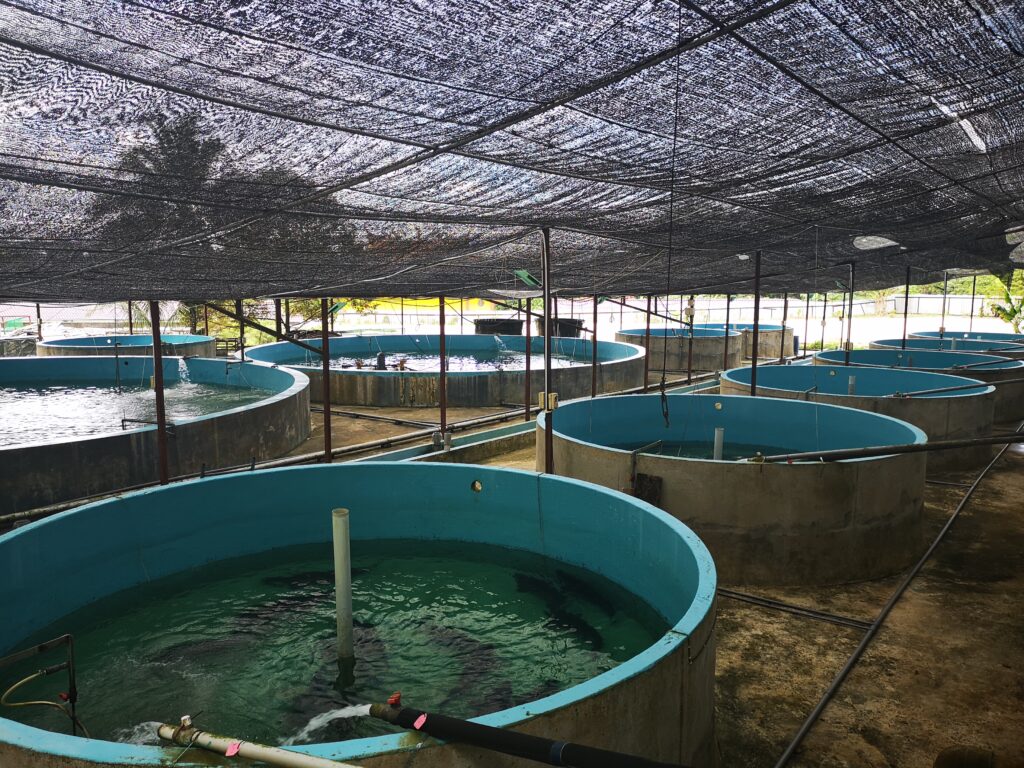
T’LUR’s farm operates a zero-waste policy | Photo credit: T’LUR Caviar
T’LUR’s farm operates a zero-waste policy | Photo Credit: T’LUR Caviar
Central to the brand’s positioning is the term “tropical caviar”, a phrase that reflects both geography and cultivation philosophy. Conventionally, sturgeon are cold-water fish, reared at around 18°C and subject to winter dormancy, during which growth slows significantly. At T’LUR, sturgeon are acclimatised to Malaysia’s tropical climate and remain active year-round. According to T’LUR, this continuous activity influences both texture and flavour, producing a caviar that is delicate, clean and balanced rather than aggressively briny.
The wider context is also shifting. Following the global ban on wild caviar, the market has moved entirely towards farmed alternatives, with a clear hierarchy of varieties now established. Entry-level Hackleback remains widely available, followed by White Sturgeon, Siberian Sturgeon and the increasingly popular Kaluga Hybrid. Higher up the spectrum sit Sevruga, Amur and Oscietra, with pure Kaluga and Beluga occupying the most exclusive tiers. T’LUR’s focus sits firmly within this premium farmed landscape, offering a product that competes on quality rather than novelty.
Sustainability is not treated as an add-on. The farm operates under a zero-waste policy, ensuring that every part of the sturgeon is utilised. The meat is processed for culinary use, while skin, cartilage and head are valued for texture, nutrition and collagen content, respectively. This holistic approach has resonated with chefs increasingly focused on whole-animal utilisation and responsible sourcing.
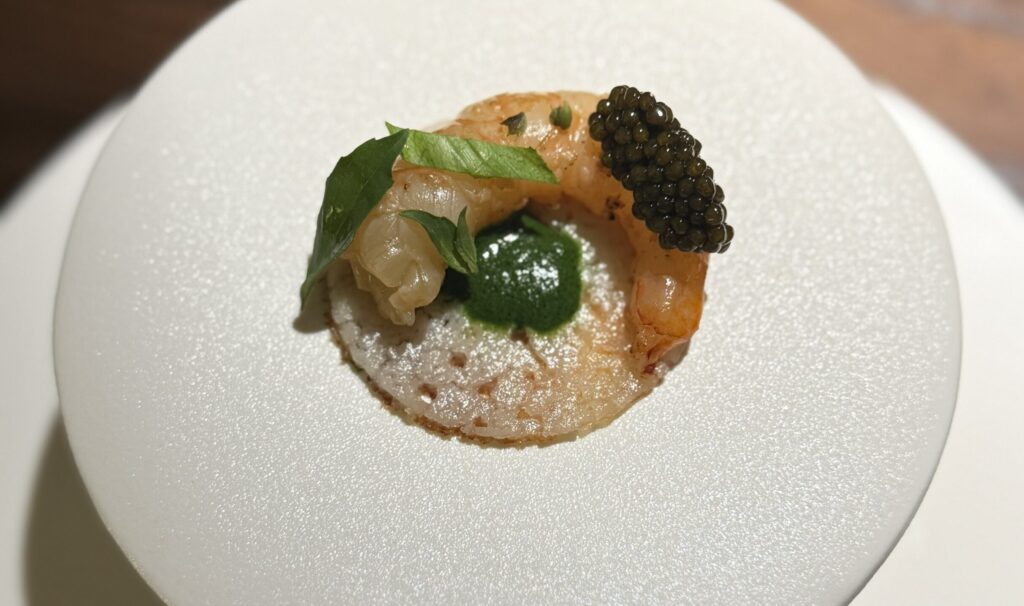
T’LUR in use at Restaurant Shu in KL | Photo credit: T’LUR Caviar
T’LUR in use at Restaurant Shu in KL | Photo credit: T’LUR Caviar
In Malaysia, the product has found natural allies in several fine dining kitchens. T’LUR is featured on the menus of renowned establishments such as Dewakan, Jeff’s Cellar, and Potager KL, with Restaurant Shu serving as the brand’s official representative.
International expansion remains measured. While T’LUR offers limited direct-to-consumer sales on its website, its primary focus is trade distribution and chef partnerships. Handling, storage, and service are taken seriously; caviar should be stored between -2°C and 2°C, minimally salted, and free of preservatives, resulting in a shorter shelf life but greater integrity. Farm-to-table masterclasses form part of the brand’s education strategy, reinforcing correct handling and appreciation.
Currently, T’LUR cares for approximately 20,000 sturgeon across a 3.3-acre farm, with plans underway to acquire an additional 60 acres. The ambition is clear. As global demand for responsibly farmed caviar continues to rise, Malaysia’s unlikely entrant is positioning itself not as a curiosity but as a serious, scalable player in the premium caviar trade.
Author: Priyanka C. Agarwal
Priyanka is a writer, editor and storyteller. Her words have appeared on the print and online pages of The South China Morning Post, SilverKris, Her World, The Michelin Guide, Time Out, and more. She has also created custom content for leading brands like Sentosa, Mediacorp Special Projects, Asia’s 50 Best, IKEA, and Meat and Livestock Australia. Her expertise includes food and drink, wellness, luxury and travel.