

How Traditional Chinese Medicine (TCM)
is Rewriting Drinking Culture in China
and Beyond
From highballs to herbal brews, a new generation of consumers are seeking more than gratification alone – pushing the region’s F&B scene to turn tradition into functional indulgence
17 April 2026
Share this exclusive content from Saladplate
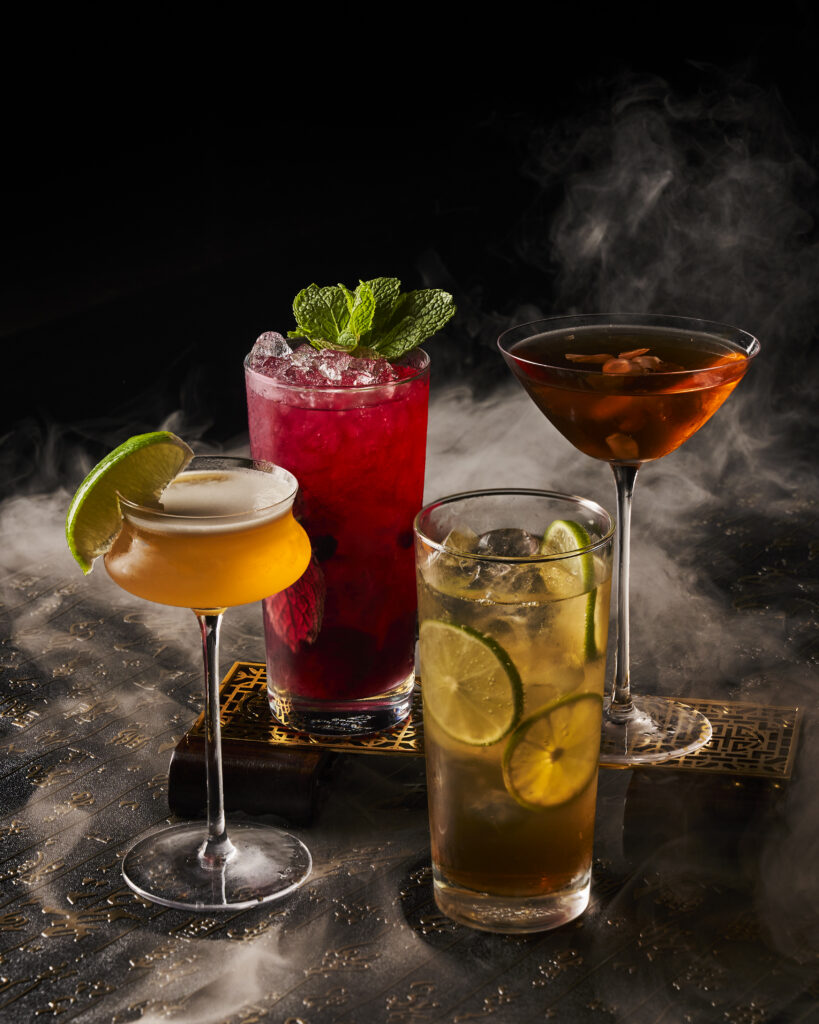
Synthesis, a bar and restaurant in Singapore, draws on TCM to shape both its food and cocktails | Photo credit: Synthesis
Synthesis, a bar and restaurant in Singapore, draws on TCM to shape both its food and cocktails | Photo credit: Synthesis
Across China’s bars, restaurants and cafes, drinking culture is being quietly redefined. For a Gen Z audience with a markedly different approach to nightlife – where morning coffee raves are replacing the old rite of getting ‘wasted’ –
a night out is no longer about excess for its own sake. Increasingly, even everyday beverages are expected to serve a purpose that extends beyond flavour into perceived well-being.
At first glance, the emergence of Traditional Chinese Medicine (TCM) in cocktail and cafe culture feels ironic; centuries-old medicinal principles appearing in a space traditionally shaped by pleasure, not prescription. Yet its rise feels both ingenious and seamless. In a market already fluent in the language of balance, heatiness and restoration, TCM offers a ready-made framework for rethinking what a drink can be. Its brilliance lies in how the concept reframes cocktails as “functional indulgence”, while giving operators a culturally grounded narrative to build on. Once seen as old-fashioned, these ingredients are now positioned as sophisticated and design-forward, with menus reading less like ingredient lists and more like modern wellness prescriptions.
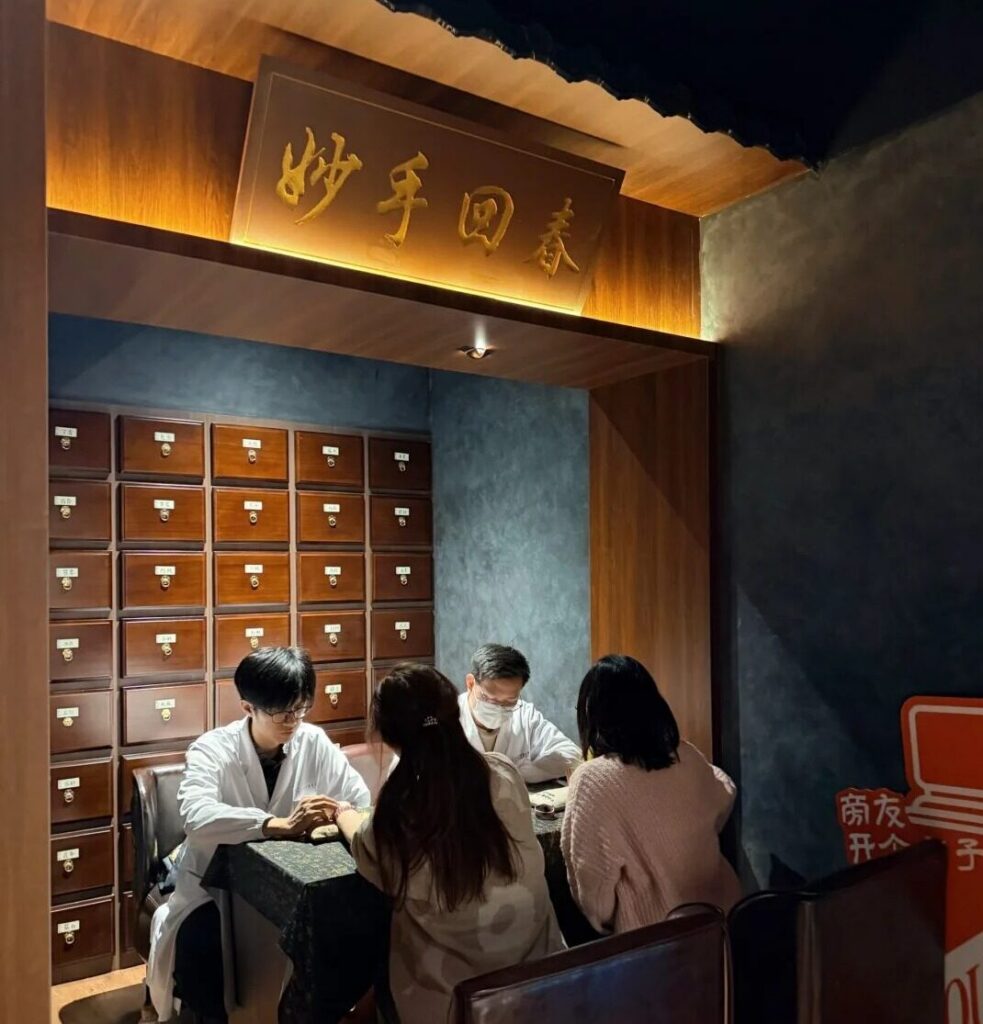
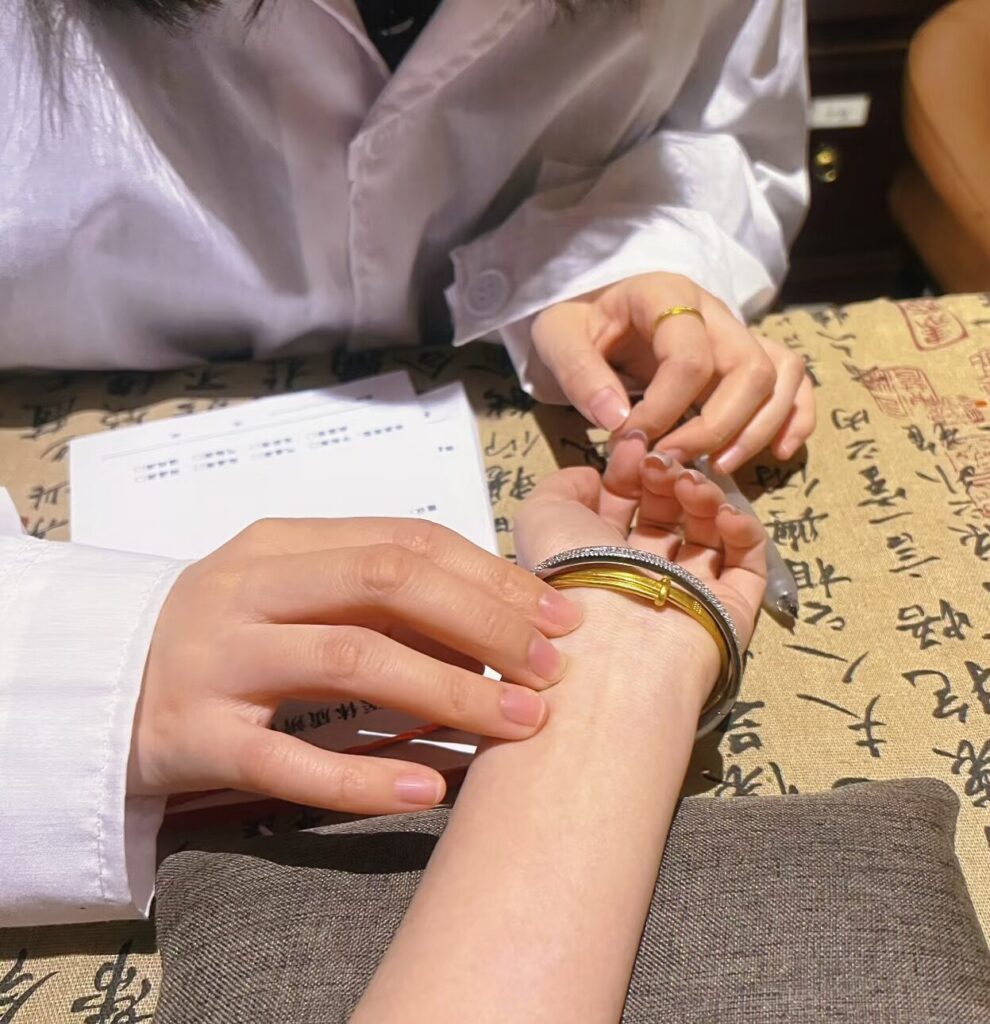
At 酿青 (Niang Qing), a cocktail bar in China, the experience begins with a consultation with a TCM physician | Photo credit: 酿青 (Niang Qing)
Perhaps the most compelling example of this model at work is 酿青 (Niang Qing), a cocktail bar in China founded by students from the Shanghai University of Traditional Chinese Medicine. Guests begin with a brief consultation with a TCM physician, typically a recent graduate, covering sleep, stress and overall wellness. Guests are then recommended a cocktail tailored to their constitution. Ingredients such as red dates, hawthorn, and angelica root are framed by their functions, from supporting digestion and circulation to restoring balance.
Founder Zhou Xing Xing explains that the idea stemmed from a simple insight: many young people are curious about TCM, but lack accessible entry points. He says the concept has resonated with young white-collar workers, students and an increasing number of foreign visitors as well. Following its first outlet in Anhui in 2024, Niang Qing expanded to Shanghai in 2025 and has since secured funding for further locations across Zhejiang, Henan and Qinghai. Yet its stated goal is not to promote drinking. “We hope more people come to appreciate TCM culture through this experience – drinking is merely the intermediary,” Zhou notes.
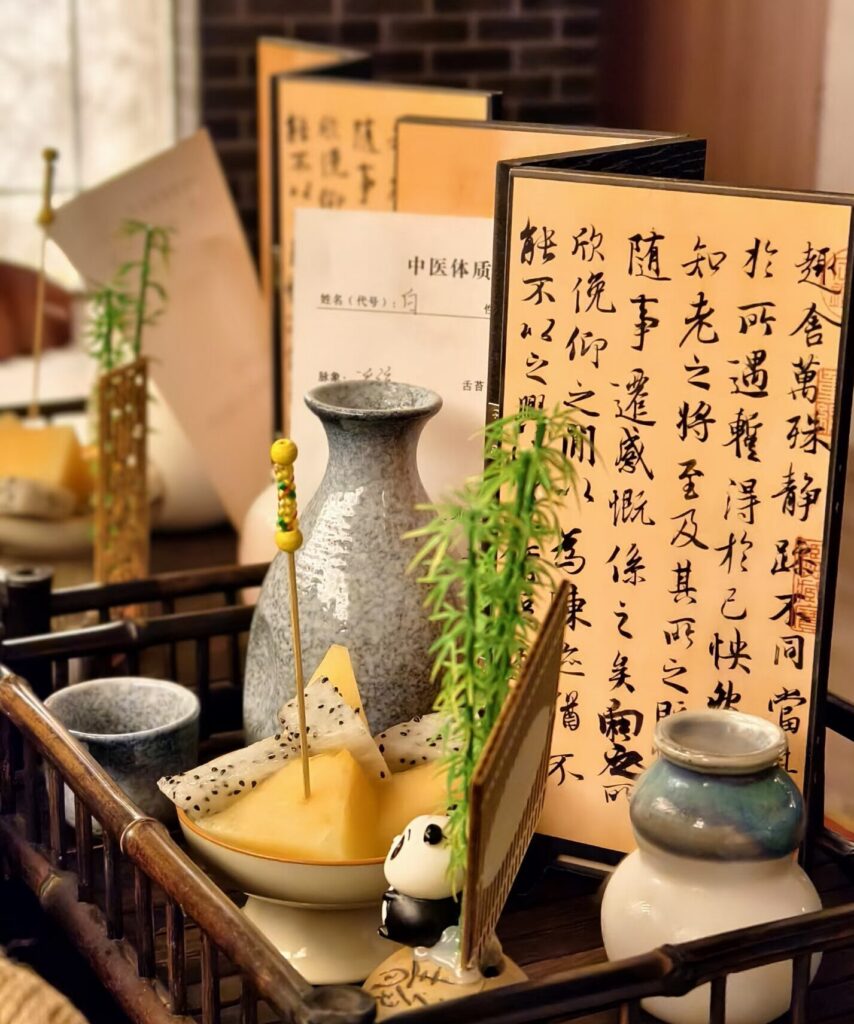
At 酿青 (Niang Qing), a cocktail bar in China, the experience begins with a consultation with a TCM physician | Photo credit: 酿青 (Niang Qing)
At 酿青 (Niang Qing), a cocktail bar in China, the experience begins with a consultation with a TCM physician | Photo credit: 酿青 (Niang Qing)
If Niang Qing represents the more boutique end of the spectrum, centuries-old TCM institution Tong Ren Tang shows how far the trend has entered the mainstream. Founded in 1669, this historic pharmacy brand has expanded into lifestyle territory through Zhima Health, a youth-focused retail space that blurs the line between pharmacy, cafe and wellness hub. Offering everything from goji berry and dried tangerine peel lattes to monk fruit Americanos, alongside cold-brew herbal teas made with longan and lily, the concept integrates medicinal ingredients into familiar, everyday formats. Its expansive flagship in Beijing makes that conviction visible, a large-scale, design-led concept store that suggests the brand is betting on this model as more than a passing trend. What was once reserved for illness and dispensed behind a counter is now ordered iced, to-go and embedded in daily routines – a shift that has helped familiarise TCM with a younger, broader audience, with consumers aged 18-35 making up 80% of Zhima Health’s clientele.
Beyond China, this TCM concept is also gaining traction. Synthesis, a bar and restaurant in Singapore, draws on TCM to shape both its food and cocktails, incorporating ingredients such as ginseng, osmanthus and snow fungus within a contemporary setting. A key challenge, according to marketing manager Thiha Htet Zaw, was maintaining authenticity without becoming overly literal. Unlike Niang Qing’s consultation-led model, Synthesis weaves TCM into the experience rather than defining it. “Every dish and cocktail must work first and foremost from a flavour and experience standpoint. The TCM influence comes through in the ingredients, pairings, and cultural storytelling,” Thiha explains. Synthesis currently has Singapore’s first TCM-inspired ice cream available at their shopfront, which has resonated with customers and seen strong uptake – yet another example of adding wellness elements to a format formerly associated with decadence and indulgence.
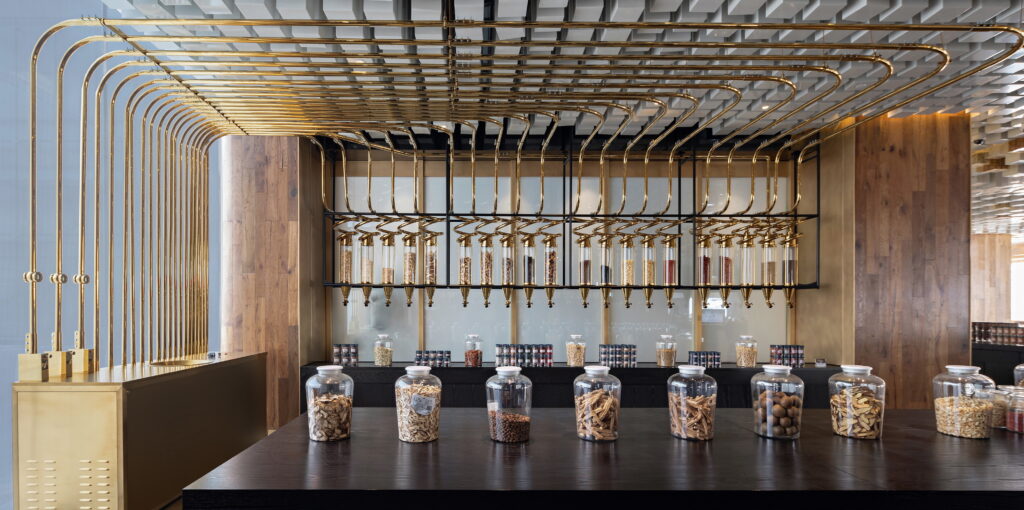
TCM institution Tong Ren Tang has expanded into lifestyle territory through Zhima Health,
a youth-focused retail space that blurs the line between pharmacy, cafe and wellness hub | Photo credit: Zhima Health
TCM institution Tong Ren Tang has expanded into lifestyle territory through Zhima Health, a youth-focused retail space that blurs the line between pharmacy, cafe and wellness hub | Photo credit: Zhima Health
More broadly, the rise of TCM-led concepts signals a shift in cultural direction. China is no longer simply importing global trends, but confidently exporting its own. Where wellness once leaned heavily on Western cues – from collagen to aesthetic treatments – operators are now turning inwards, drawing on TCM as a fully formed system and adapting it unapologetically for contemporary consumption. This premiumisation of tradition has also become a pricing tool, offering new ways to differentiate and create value. As these concepts begin to travel in lighter, reimagined forms, the influence is starting to reverse: the world is no longer just shaping how China eats and drinks, but is increasingly taking cues from it.
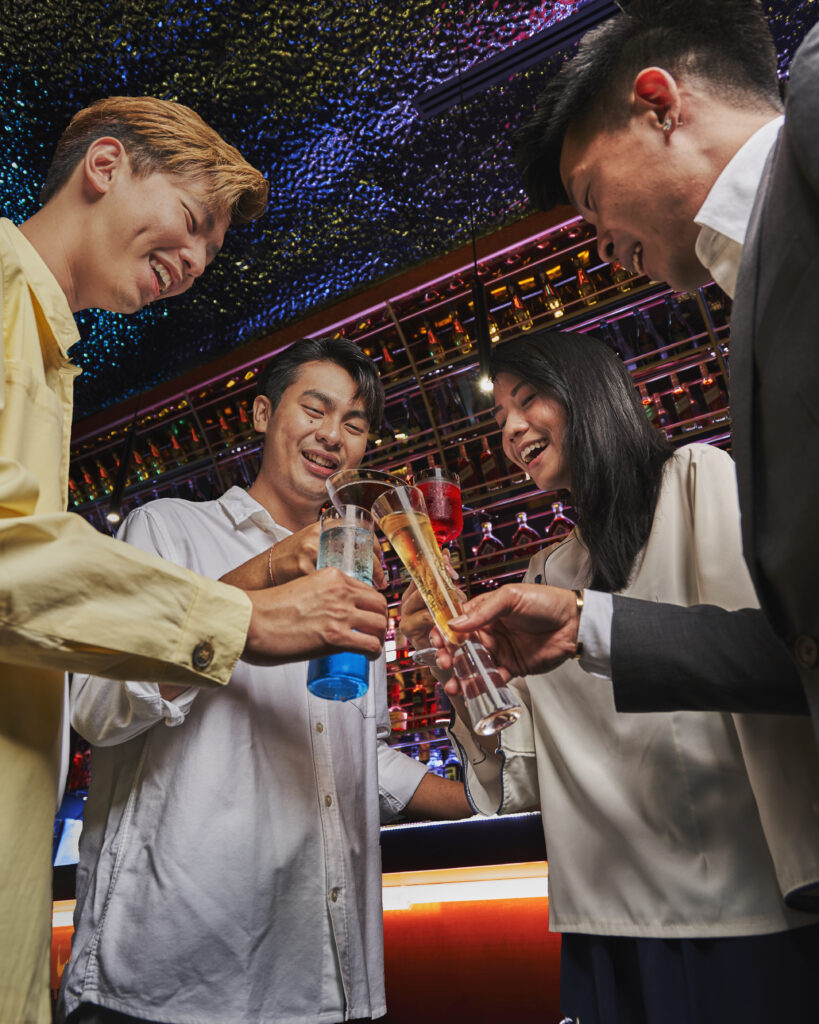
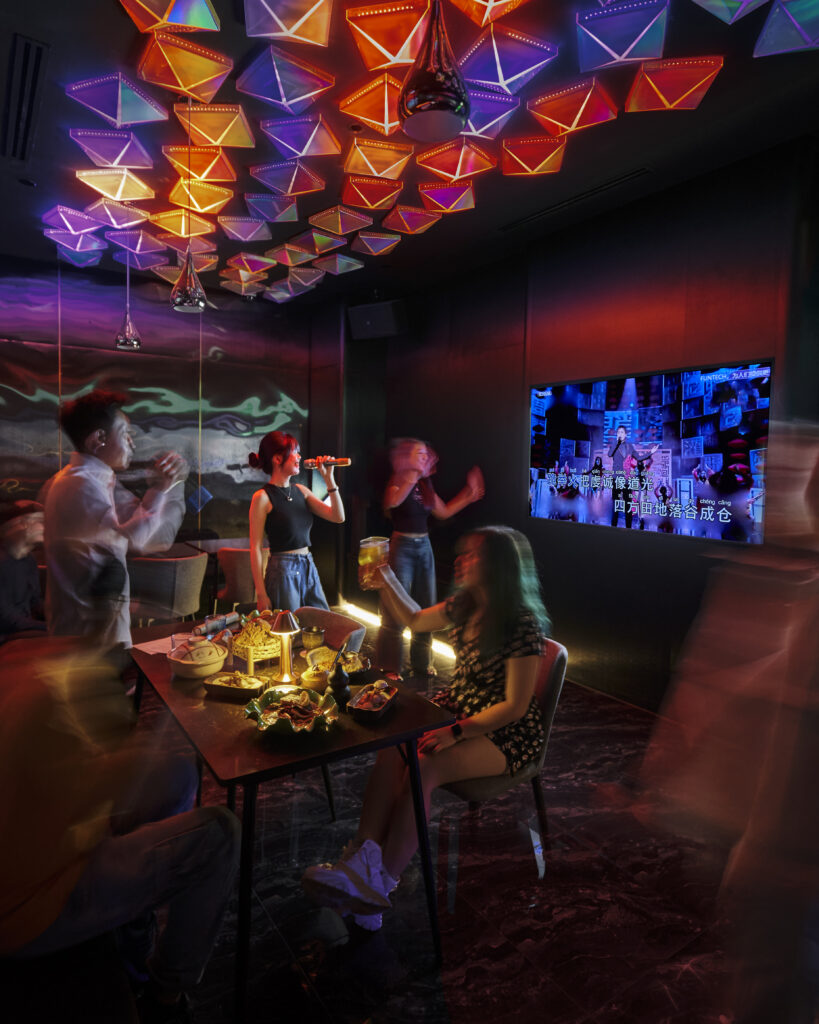
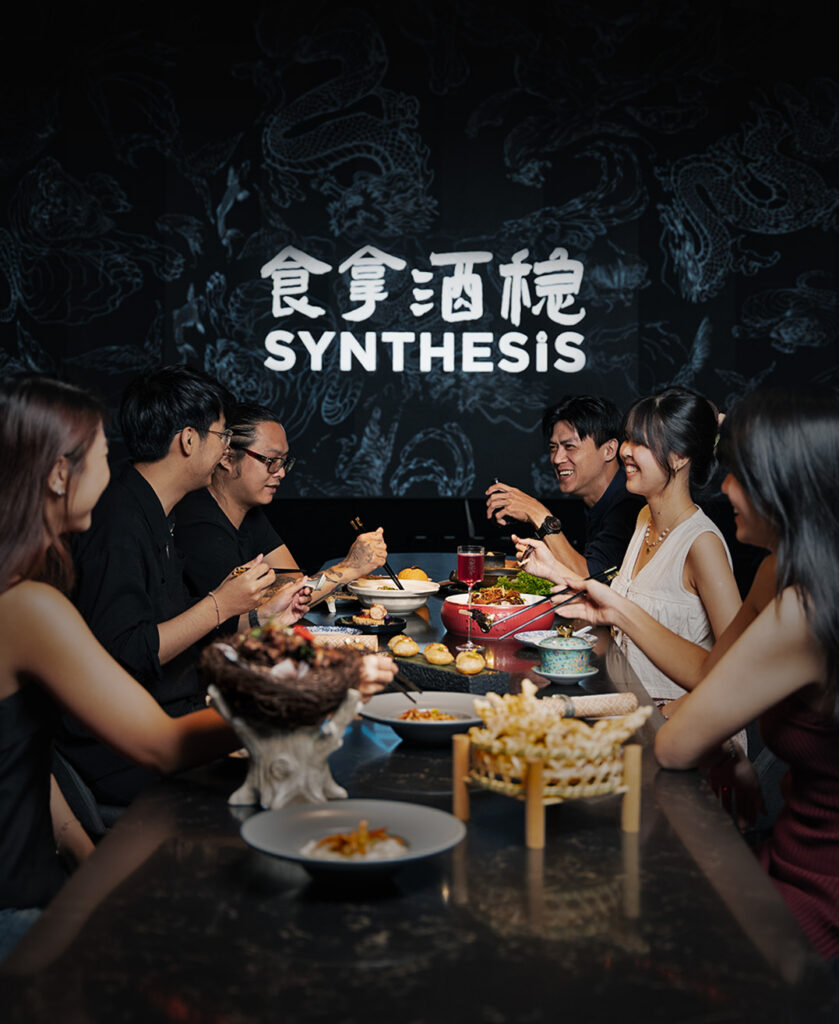
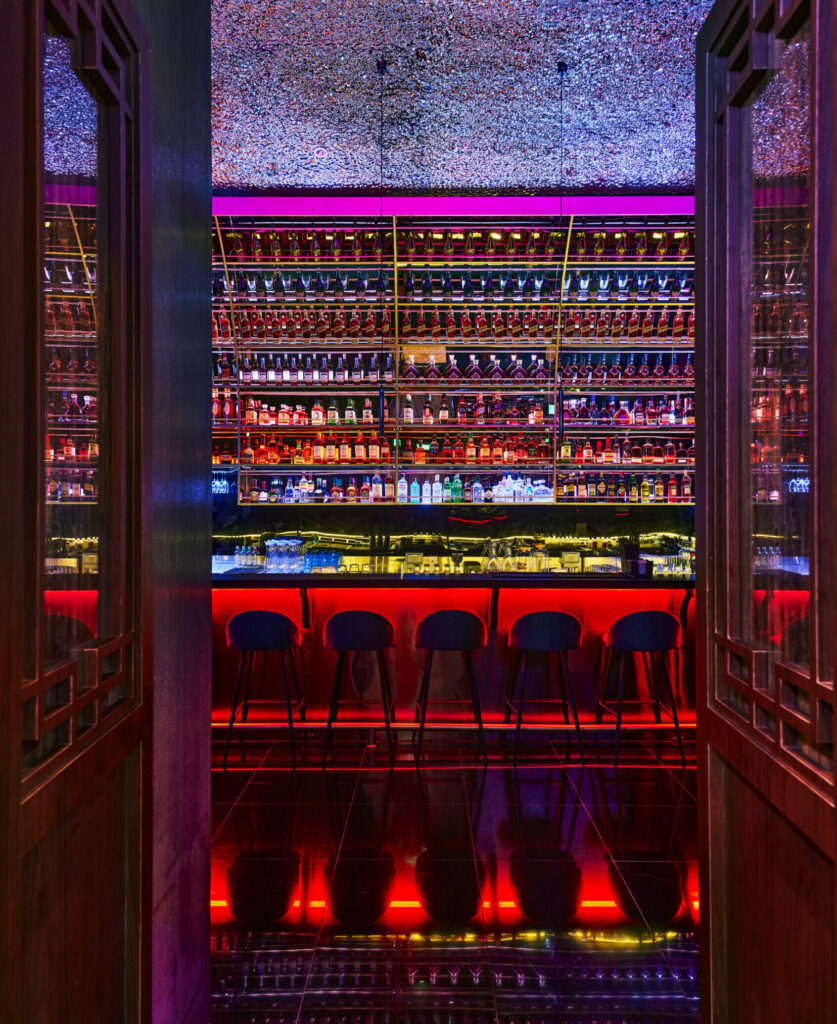
Photo credit: Synthesis
Author: Li May Loo
Limay is a freelance writer, a passionate storyteller, and a dedicated foodie who has spent the past 20 years living in China, with the last 12 years immersed in the rustic charm of Dali countryside. A city girl at heart, she balances the quiet rhythm of rural life with a deep curiosity about people, places and flavours.